Prakhar Panchbhaiya
Assistant Manager: Business Insights and Content
Supporting procurement teams with category intelligence, market research, price trends, supply-demand analysis, and strategic sourcing insights across key industries.
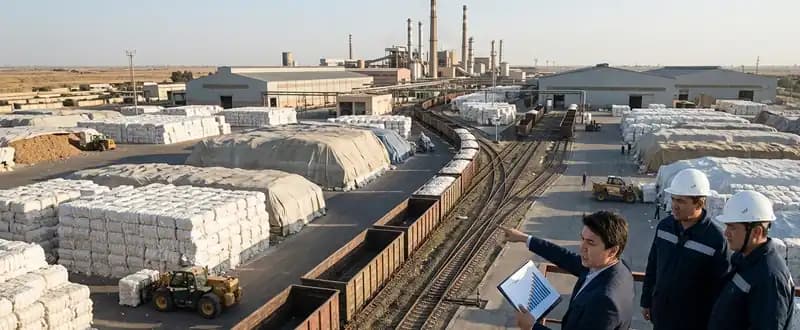
Cotton prices were holding in the upper 70-cent to lower 80-cent-per-pound range on July 22 after breaking out of a long period of weak trading. Prices had moved from about 65 cents per pound, briefly reached 88 cents and then settled below that peak. The higher range raised raw-material costs for textile mills, yarn producers, apparel manufacturers and home-furnishing suppliers.
Investment-fund activity played a large part in the price movement. Funds that had maintained bearish cotton positions began buying contracts to close those trades as prices stopped falling. The Commodity Futures Trading Commission reported that managed-money traders added 2,500 long contracts and reduced short positions by 7,072 contracts during the week covered by its July 14 report. The shift increased buying pressure in the futures market.
Texas growing conditions provided further price support. The Panhandle and South Plains experienced high temperatures and uneven rainfall, with parts of the upper Panhandle facing losses in dryland cotton acreage. Several thousand acres in the South Plains were also reported lost to hail and poor germination. Cotton in the Rolling Plains, West Central Texas, Gulf Coast and Rio Grande Valley benefited from better rainfall.
Request the Latest Cotton Prices Data - Access Price Insights Now
The mixed crop conditions make the final Texas harvest difficult to judge. Texas accounts for a large share of U.S. cotton acreage, so changes in abandonment rates and yields can affect national supply. The U.S. Department of Agriculture projected Texas cotton plantings at 5.4 million acres, slightly above the previous year, but planted area does not show how much cotton will reach harvest.
Textile buyers should treat the current price strength as a direct cotton-cost issue rather than an unrelated movement in another commodity. Futures prices are commonly used when merchants price physical cotton, though the delivered cost also includes quality premiums, basis, freight, insurance and financing. Yarn and fabric prices may respond with a delay when mills are still processing cotton purchased at lower levels.
Some seasonal price easing remains possible as harvesting begins and the market receives clearer production figures. The outcome will depend on rainfall in dry areas, harvest weather in southern Texas and the amount of acreage abandoned before picking. Buyers with confirmed cotton, yarn or fabric requirements may seek partial coverage while leaving some volume open in case harvest pressure pulls prices lower.
Assistant Manager: Business Insights and Content
Supporting procurement teams with category intelligence, market research, price trends, supply-demand analysis, and strategic sourcing insights across key industries.
We are Just a Text away