- Global oil inventories have fallen below 7.9 billion barrels.
- Supply is projected to decline by about 4.3 million barrels per day.
- Middle Eastern disruptions remain a risk to physical crude availability.
- Lower inventories reduce protection against delayed cargoes.
- Refiners can reduce exposure through multiple approved crude origins.
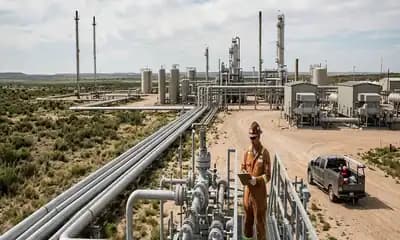
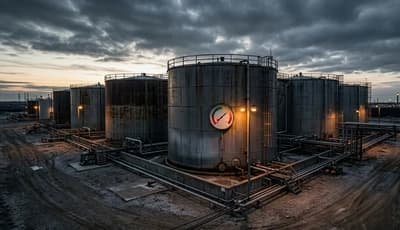
Global crude oil supply conditions are tightening as inventories decline and disruption across Middle Eastern production and shipping routes removes barrels from the market. Observed oil stocks have fallen below 7.9 billion barrels, their lowest level since the spring of the previous year, reducing the inventory cushion available to absorb further interruptions.
Global oil supply is projected to decline by about 4.3 million barrels per day as disruptions continue. Constraints around the Strait of Hormuz remain a central concern because the waterway handles a large share of internationally traded petroleum. Interruptions affecting production, shipping or insurance can quickly alter the availability of crude to refiners outside the region.
For crude oil procurement teams, declining inventories increase the importance of physical supply coverage. Refiners carrying lower stocks have less room to absorb delayed cargoes without changing crude slates, drawing down operating inventories or seeking replacement shipments from other origins.
Request the Latest Crude Oil Prices Data - Access Price Insights Now
Origin diversification can help limit exposure. Refineries designed to process several crude grades have more flexibility to shift purchases between producing regions, though differences in sulfur content, density and product yields restrict complete interchangeability. Alternative cargoes also need to be assessed for freight, voyage duration and terminal compatibility.
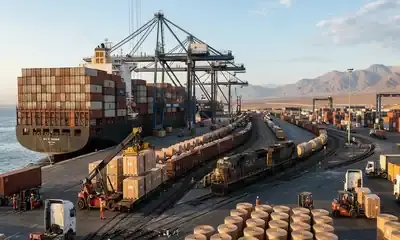
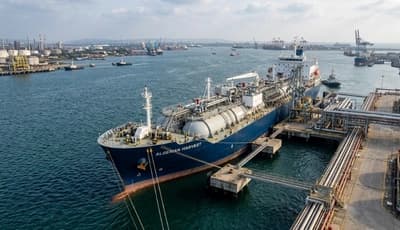
Shipping exposure is another purchasing consideration. Longer replacement routes increase vessel requirements and working-capital needs because crude remains in transit for more time. Buyers may need to compare the delivered economics of alternative supply rather than focusing only on the underlying crude cost.
Demand expectations have softened at the same time. The latest global outlook reduced expected oil-demand growth, creating some counterweight to the supply decline. Lower consumption growth can reduce pressure on available barrels, but it does not remove the risk of regional shortages when physical trade routes are disrupted.
Procurement teams should watch inventory cover, committed cargoes, refinery requirements and shipping access together. Falling global stocks mean another disruption would begin from a smaller supply buffer, making dependable physical delivery more valuable to refiners and large industrial buyers.