The European Union is intensifying its focus on the strategic importance of raw materials by entering into a partnership with the Democratic Republic of Congo (DRC) and Zambia. This collaboration aims to bolster the value chains of critical raw materials and enhance rail transport connectivity in west Africa.
This commitment to closer collaboration was made at the EU's Global Gateway Forum. The partnership will focus on the integration of raw material value chains, provision of funds for infrastructural development, promotion of sustainable and ethically sourced raw material production, and fostering research and development in these areas. However, the specifics regarding joint actions and any financial commitments remain under wraps for now.
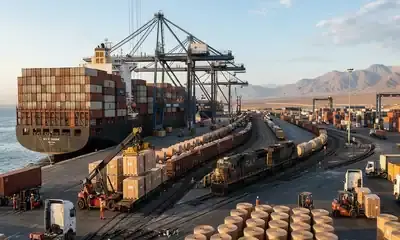
A significant aspect of the discussions at the forum was the Lobito Corridor. This corridor is a planned infrastructure development designed to connect regions of southern DRC and northern Zambia to Angola's Lobito port. Representatives from the EU, the US, Zambia, DRC, and Angola convened to delineate their respective roles and objectives pertaining to this project.
The European Union's motivation for this endeavor is rooted in its ambition to ensure a sustainable supply of raw materials, which are imperative for its green and clean energy goals. The DRC, being a prominent producer of minerals like cobalt, copper, and tantalum, and Zambia, a significant copper producer, are vital allies for the EU in this pursuit.
According to the article by Procurement Resource, The EU is partnering with the DRC and Zambia to strengthen raw material value chains and improve west African rail connections. Announced at the EU's Global Gateway Forum, the collaboration will address raw material value chains, infrastructure funding, sustainable raw material production, and R&D.
Details on actions and funding remain undisclosed. The Lobito Corridor, linking southern DRC and northern Zambia to Angola's Lobito port, was a focal point. This partnership supports the EU's green energy goals, leveraging DRC's mineral resources and Zambia's copper production.