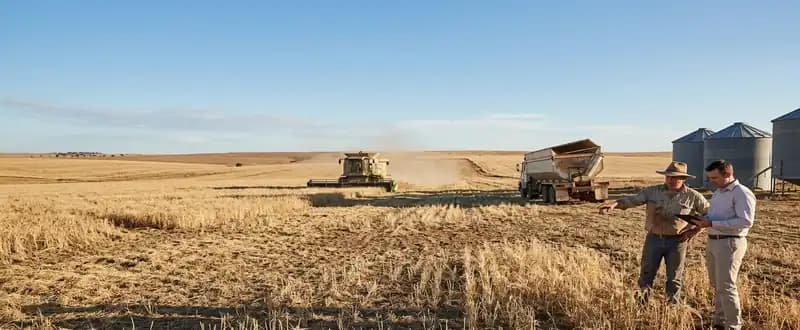
Feed Barley Procurement Tightens as Australian Output Is Expected to Drop
- Australian barley area was forecast to rise by 4.0%.
- Australian barley production was expected to fall by 15.0%.
- Weather and input costs remain the main yield risks.
- Feed buyers should review Australian origin coverage.
- Barley should be compared with feed wheat and maize before booking.
Australia’s feed barley supply outlook weakened after new crop estimates showed lower expected production for 2026/27. Winter crop seeded area was expected to fall by 12.0% from the previous year, pressured by dry weather, high input costs, and concerns over input availability. Barley acreage was the exception, with planted area forecast to rise by 4.0% because of strong prices and lower fertilizer needs compared with other crops.
The acreage increase does not remove supply risk. Barley production was expected to decline by 15.0% as weather and input issues weighed on yield prospects. If the projected 14.1 million metric tons is realized, total production would still remain above the five-year and ten-year averages, but the drop from the previous season could reduce export flexibility.
For feed barley buyers, the main issue is yield, not planted area. Higher acreage can still produce a smaller crop if dry conditions hurt yields. Australia remains an important origin for Asian feed grain buyers, so lower production can affect supplier confidence, forward offers, and shipment planning.
Request the Latest Feed Barley Prices Data - Access Price Insights Now
The wider grain balance also matters. Wheat production was forecast to drop sharply, and canola output was also expected to fall. When wheat availability tightens, feed buyers may adjust grain choices, which can add support to barley demand. This makes feed barley procurement more sensitive to cross-grain pricing.
Buyers should review Australian origin coverage before new-crop risk becomes harder to price. Feed compounders should check allocation, shipment timing, grade availability, and freight terms. Flexible buyers should compare feed barley against feed wheat and maize before booking volumes.
Recent News & Articles

Methyl Vinyl Ether Buyers Review Regulatory Fit Before Supplier Approval

Diethyl Sulfate Procurement Requires Hazardous Substance Cost Checks
Castor Oil Procurement Needs Quality Review Before June Contracts

Zinc Sulfate Procurement Tightens as Zinc Rally Raises Supplier Offers

Stainless Steel Procurement Faces New Customs Checks Under Section 232
Tags
- Access independent price trends and market intelligence for thousands of raw materials.
- Request customised production cost and prefeasibility reports for specific plants or locations.
- Explore subscription dashboards for continuous tracking of prices, indices, and news.
- Commission bespoke research on categories, suppliers, or trade flows tailored to your brief.
Our Team will be happy to assist you
We are Just a Text away