- India raised silver import duties from 6% to 15% effective May 13, 2026, and shifted silver bar imports to restricted trade status under DGFT licensing requirements.
- Silver bars of 999 fineness and semi-manufactured silver forms, covering roughly 90% of India's import volumes, now require import licences.
- Spot silver fell to USD 76.01 per ounce on May 26, a 2.66% daily decline, with Indian domestic silver trading at discounts of approximately USD 200 per ounce.
- India imported 210 million ounces of silver in 2025, accounting for approximately 18% of global demand, and reduced Q2 2026 imports are anticipated.
- The global silver market remains in a sixth consecutive supply deficit of 67 million ounces, with cumulative above-ground stock drawdowns exceeding 762 million ounces since 2021.
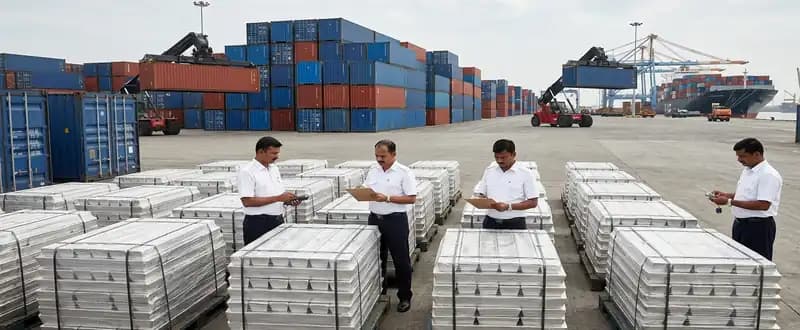
India's decision to place silver bar imports under the restricted category has set off selling across global precious metals markets, with spot silver falling more than 2.6% on May 26 to trade at USD 76.010 per ounce. The move by India's Directorate General of Foreign Trade, announced alongside a steep hike in import duties from 6% to 15% effective May 13, marks a sharp tightening of access to one of the world's largest silver-consuming markets.
The policy shift is part of a broader effort by the Indian government to defend the rupee, which has come under pressure as commodity prices rise and the country's import bill widens. Silver bars of 999 fineness and other semi-manufactured silver forms, which account for roughly 90% of India's silver imports, are now subject to licensing requirements. Indian bullion investors responded by selling into the market following the announcement, with domestic silver trading at discounts of approximately USD 200 per ounce relative to official domestic prices in the days after the duty change.
India's importance to the global silver market is substantial. The country imported 210 million ounces of silver in 2025, representing approximately 18% of total global demand that year. Indian banks had only recently resumed shipments after a month-long pause and had just begun complying with the Integrated Goods and Services Tax when the new duties were imposed. Analysts at Heraeus warned on May 26 that the combined effect of the duty increase and the import restriction could reduce India's silver imports through the second quarter of 2026 at a scale that would have measurable effects on global price dynamics.
Request the Latest Silver Prices Data - Access Price Insights Now
The price pressure from India's policy shift arrives as silver faces mounting macro headwinds. Rising US consumer and producer prices have caused markets to reverse expectations for Federal Reserve rate cuts in 2026, with traders now pricing in a possible rate hike by year-end. With Kevin Warsh confirmed as incoming Fed chair, market participants are watching the June 17 FOMC meeting closely. A tighter monetary stance typically weighs on precious metals, which generate no yield.
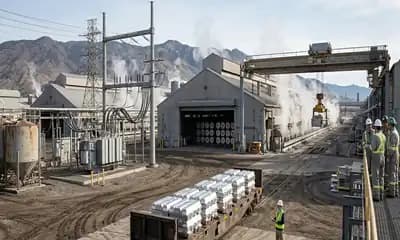
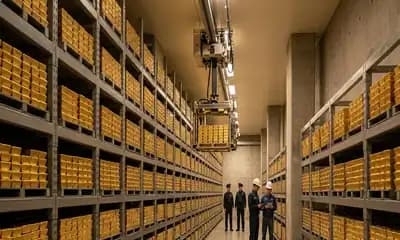
Despite the near-term softness in prices, the structural backdrop for silver remains tight. The global market entered 2026 in a sixth consecutive year of supply deficit at an estimated 67 million ounces. Cumulative drawdowns from above-ground inventories have exceeded 762 million ounces since 2021. Mine output is forecast at 820 million ounces in 2026, up just 1% from the prior year, with production concentrated in Mexico, China, Canada, and Peru. Around 74% of global silver supply comes as a byproduct of copper, lead, and zinc mining, which limits the ability of output to respond to silver-specific price signals.
For procurement teams sourcing silver in electronics, solar photovoltaics, and industrial applications, India's policy change introduces a near-term downward price variable while the medium-term structural deficit remains in place. Buyers with exposure to spot pricing should monitor whether other major consuming regions absorb displaced Indian demand or whether volumes remain unplaced in a market already drawing on stored stocks.