
Prakhar Panchbhaiya
Assistant Manager: Business Insights and Content
Supporting procurement teams with category intelligence, market research, price trends, supply-demand analysis, and strategic sourcing insights across key industries.

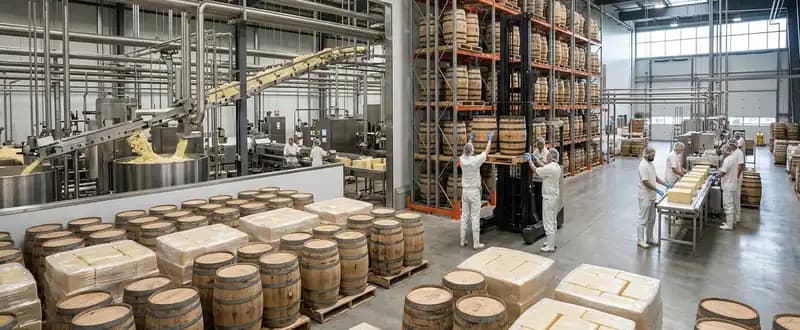
U.S. cheese prices advanced during the week ending July 17. Cheddar barrels closed at $1.6125 per pound, and 40-pound blocks closed at $1.6275. The weekly barrel average rose by 6.8 cents to $1.5950, and the block average increased by 9.05 cents to $1.6055.
Milk availability differed across regions. Eastern plants had adequate contracted milk and maintained steady cheese production, but seasonal demand was soft. In the central region, high temperatures reduced cow comfort, milk output and milk components. Spot milk offers were limited, and some plants paid premiums to maintain production. Other buyers obtained discounted milk from facilities facing unplanned downtime.
Request the Latest Cheese Prices Data - Access Price Insights Now
Central cheese production was lighter during the reporting week. Barrel inventories were tighter than block inventories, and processors expected lower output to reduce available spot stocks during the following weeks. Western production remained stable, but spot milk was harder to obtain as farm output moved past its seasonal peak. Retail cheese demand was stronger than foodservice demand in parts of the West.
The difference between block and barrel supply matters for buyers because each form serves different processing channels. Purchasers that rely on barrels for processed cheese should avoid using block prices as the sole contract reference. Product form, age, moisture, freight and conversion costs can produce different delivered-price movements even when both exchange categories rise during the same week.
Near-term procurement plans should account for heat-related milk losses and plant operating limits. Buyers can secure firm delivery schedules for their base requirements and leave promotional or uncertain demand under shorter commitments. Suppliers should confirm whether offers depend on spot milk purchases or contracted milk. Cheese buyers with flexible formulations can compare blocks, barrels and alternative specifications before inventories tighten further.
Assistant Manager: Business Insights and Content
Supporting procurement teams with category intelligence, market research, price trends, supply-demand analysis, and strategic sourcing insights across key industries.


We are Just a Text away