- Northern Chinese mills accepted higher coke purchasing prices on 25 May.
- First-quarter coke prices were weak on soft steel demand and high stocks.
- Late-quarter recovery drew support from tighter logistics and freight risk.
- India's steel ministry pushed to lift anti-dumping duties on low-ash coke.
- Coke demand stays tied to construction and manufacturing activity.
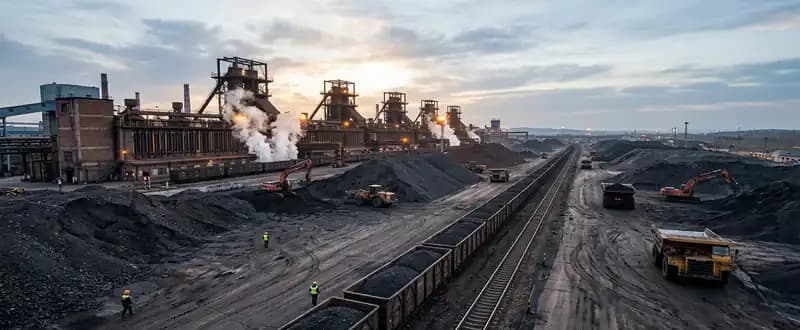
Metallurgical coke prices turned higher at the end of May 2026 after northern Chinese steel producers accepted increases in their coke purchasing prices on 25 May. The move marked a shift from a weak first quarter, when soft steel demand and high inventories had pushed prices down before they stabilized later in the period. The acceptance of higher prices by mills points to a market finding a floor and starting to recover as supply and logistics tighten.
The first quarter had been difficult for coke. Prices in Asia followed a weak-to-stable path, falling early as steel mills held high inventories and bought cautiously, then steadying as the quarter progressed. Supply stayed dependable through the period, with consistent coal availability keeping coke production running. The weakness reflected demand rather than supply, since slow construction and manufacturing activity limited how much coke steelmakers needed.
The late-quarter recovery drew support from tightening logistics and freight risk, which added cost pressure even as underlying steel demand stayed soft. By the time northern mills accepted higher prices in late May, the balance had shifted enough for producers to push increases through. The market remains sensitive to steel output, so the durability of the recovery depends on whether construction and manufacturing pick up through the rest of the year.
Request the Latest Steel Prices Data - Access Price Insights Now
India added a separate development. The country's steel ministry pressed to remove anti-dumping duties on imported low-ash metallurgical coke, pointing to the cost burden the levies place on domestic steel mills. If the duties are lifted, landed costs for imported low-ash coke would fall, changing the math for Indian buyers who rely on overseas material. The outcome matters for sourcing decisions across the region, since India is a large importer of coke and coking inputs.
For procurement teams, the combination of firming Chinese prices and possible Indian duty changes calls for close attention to both ends of the market. Steelmakers exposed to Chinese coke face rising input costs as mills accept increases, while Indian buyers may see relief if the anti-dumping levies are removed. The practical step is to track mill purchasing behavior, coke inventory levels and freight costs, which together signal where prices head next. Buyers should also follow the Indian duty decision closely, since it could shift trade flows and landed costs across Asia. With the market recovering from first-quarter weakness but still tied to soft steel demand, coke buyers should plan for firmer prices while watching for any demand-led move that would accelerate the trend.