- QatarEnergy expanded its production shutdown to include LNG and downstream products such as urea, methanol, polymers, and aluminium
- European TTF natural gas futures surged more than 70 percent as markets reacted to supply disruption fears
- Qatalum aluminium smelter with 648000 ton annual capacity could face production impact due to gas supply uncertainty
- Qatar Fertilizer Company operations with 5.6 million ton urea capacity may also be affected by the suspension
- Polymer supply could tighten as Qatar Petrochemical Company produces over 780000 tons of LDPE annually
QatarEnergy has widened its production shutdown to include several downstream products following attacks on two of its facilities, a development that has intensified concerns across global energy and commodity markets. The state-owned energy giant had earlier announced the suspension of liquefied natural gas production after the near simultaneous strikes on its infrastructure. The company is the world’s largest LNG exporter, and the disruption quickly sent shockwaves through energy markets.
European gas markets reacted sharply to the development. Benchmark TTF natural gas futures in Europe surged more than 70 percent over the past two trading sessions as traders responded to fears of tighter global supply. The surge reflected the heavy dependence of several regions on Qatari LNG exports and the potential for prolonged disruptions if production remains offline.
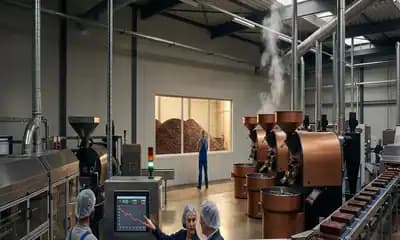
The latest announcement from QatarEnergy expanded attention beyond LNG to a wider group of products tied to natural gas and petroleum processing. The company said the suspension would also affect downstream products manufactured in Qatar, including urea, methanol, polymers, aluminium, and other related materials. These industries depend heavily on stable natural gas supply as both a feedstock and energy source.
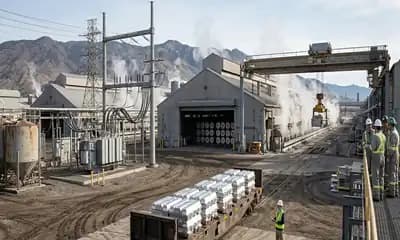
The impact could extend to the aluminium sector through Qatalum, one of the largest aluminium smelters in the Middle East. QatarEnergy holds a 50 percent stake in the facility along with Norwegian aluminium producer Norsk Hydro. QatarEnergy also supplies natural gas used to power the smelter’s operations, making it directly exposed to disruptions in the country’s gas production system.
Norsk Hydro acknowledged the development in a separate statement and said it was still assessing how the situation might affect production at the plant. The company noted that the facility has a nominal primary aluminium production capacity of about 648,000 tons annually. Any prolonged disruption in gas supply could affect output levels at the smelter.
The aluminium industry in the Middle East plays a notable role in global supply. Smelters in the region account for roughly nine percent of worldwide aluminium production. Much of the finished metal is shipped to international markets through the Strait of Hormuz, a key maritime route that has also faced disruptions amid escalating tensions in the region.
Shipping delays have already begun to surface. Emirates Global Aluminium informed customers earlier that it was experiencing delays in loading and transporting finished metal shipments. The company said it was considering drawing on inventories held outside the United Arab Emirates to manage supply commitments while shipping conditions remain uncertain.
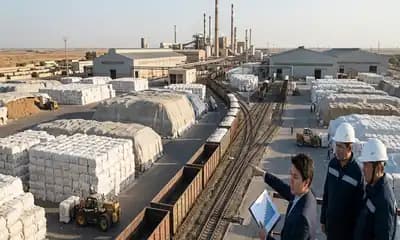
The shutdown announced by QatarEnergy could also affect fertilizer markets through its subsidiary Qatar Fertilizer Company. The group operates six fertilizer plants in the country with an annual capacity of about 5.6 million tons of urea and 3.8 million tons of ammonia. These products play a major role in global agricultural supply chains, particularly in regions that depend heavily on imports.
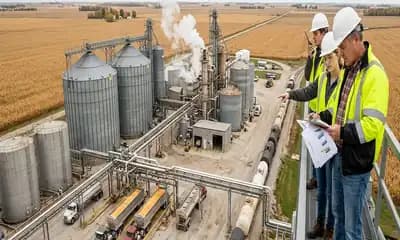
Polymer production may also face disruption through Qatar Petrochemical Company, commonly known as QAPCO. The company is a major global producer of low density polyethylene, a widely used plastic material derived from petroleum and natural gas. LDPE is commonly used in packaging, consumer goods, and industrial materials.
Read More About Aluminium Production Cost Reports - Get Free Sample Copy in PDF
QAPCO’s production complex includes an ethylene cracking unit with an annual capacity of about 840,000 tons along with three LDPE plants that together produce more than 780,000 tons each year. The site also includes a sulfur production facility capable of producing around 70,000 tons annually. Any extended suspension of gas supply could affect these operations and influence supply conditions in global polymer markets.
The widening production halt highlights the interconnected nature of energy, petrochemicals, metals, and fertilizer supply chains. A disruption at a major LNG exporter such as QatarEnergy can quickly ripple through multiple industries that rely on natural gas as a feedstock or energy source.
Markets are now closely watching how long the suspension will last and whether shipping routes in the Gulf region stabilize. Prolonged disruption could tighten supply across several commodity markets and increase price volatility in sectors ranging from natural gas and fertilizers to plastics and metals.