
Prakhar Panchbhaiya
Assistant Manager: Business Insights and Content
Supporting procurement teams with category intelligence, market research, price trends, supply-demand analysis, and strategic sourcing insights across key industries.

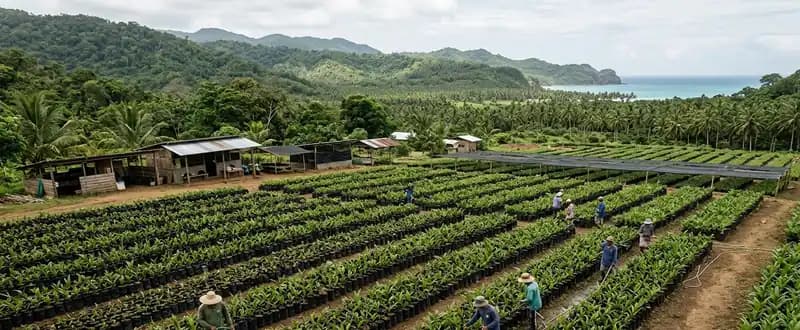
Flooding across upper Assam has damaged tea estates and disrupted access to producing areas, creating a temporary supply risk for buyers dependent on the region's distinctive tea grades. Thirty gardens across four producing districts were affected, with severe damage reported at 11 estates.
Tea production is sensitive to interruptions because freshly plucked leaves must move quickly from the field to processing facilities. Flooded roads, inaccessible worker housing and damaged estate infrastructure can prevent regular plucking even when tea bushes themselves remain intact. A disruption lasting several weeks can reduce the volume of processed tea reaching auctions, traders and contracted customers.
The sourcing effect will vary between buyers. Companies purchasing generic black tea blends have more scope to adjust origins or change the proportion of different teas in a blend. Buyers requiring specific Assam characteristics have less flexibility because flavour, colour and strength profiles cannot always be replaced immediately with tea from another producing region.
Temporary shortages can also affect delivery schedules. Packers and importers with enough inventory already positioned close to consuming markets have more time to manage delayed estate shipments. Buyers operating with very low stocks may need to secure substitute lots earlier.
Quality control should remain strict during the recovery period. Flooding and irregular harvesting can create variation in leaf condition and factory throughput. Procurement teams should continue applying normal requirements for moisture, appearance, cup profile and contamination rather than lowering standards solely to secure volume.
Supplier diversification needs to reach beyond trading companies. Several traders can still depend on tea from the same group of estates. Buyers should understand the actual garden and processing-factory origin behind their contracts so alternative sourcing genuinely reduces exposure to the affected locations.
Shipment planning is another concern. Estate recovery does not immediately restore normal export flows. Processing schedules, inland movement and warehouse availability may remain uneven after workers return and floodwaters recede.
The disruption is concentrated in part of Assam rather than across the entire Indian tea sector. Buyers with flexible blends and several approved estates can limit the purchasing effect. Companies relying on narrow Assam specifications will need closer monitoring of estate recovery, available auction volumes and shipment commitments.
Assistant Manager: Business Insights and Content
Supporting procurement teams with category intelligence, market research, price trends, supply-demand analysis, and strategic sourcing insights across key industries.
.webp&w=1080&q=75)
.webp&w=1080&q=75)
.webp&w=1080&q=75)
.webp&w=1080&q=75)
.webp&w=1080&q=75)
We are Just a Text away

.webp&w=1080&q=75)