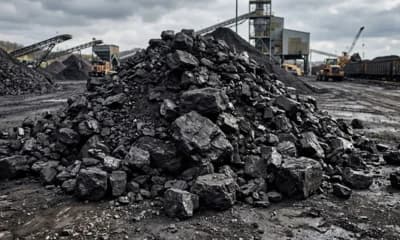
Asia
In Asia, the anthracite coal market during Q3 2025 was influenced by shifting dynamics in supply and downstream demand, particularly in China. July witnessed an upward trend supported by production restrictions, stricter safety checks, and logistical delays in imports from Mongolia and Russia. Steel mills maintained high operating rates, and seasonal power demand amplified procurement needs, driving up consumption. By mid-August, national policy restrictions in Shanxi and Inner Mongolia limited production, creating temporary tightness in supply and supporting a phased rebound. However, as the month progressed, inventories eased, and downstream procurement slowed, reflecting a shift toward cautious buying. September saw further stabilization with more mines resuming production, while downstream steel mills reduced speculative replenishment, keeping demand largely need-based. Overall, Asia recorded notable volatility, with July marked by gains, August showing a two-phased pattern, and September reflecting a weaker, stable tone.
Europe
In Europe, anthracite coal prices during Q3 2025 remained comparatively stable but were guided by structural demand trends in the steel and power generation sectors. Imports from Russia remained a major supply channel despite ongoing logistical challenges, while sourcing from alternative suppliers such as South Africa and the United States continued to supplement market needs. Seasonal electricity demand during the summer months sustained moderate procurement activity from utilities, but steel sector requirements were more variable, with some integrated producers limiting purchasing to core operations. Inventory positions across key consuming markets provided a buffer, preventing large fluctuations even when shipment delays occurred. Toward September, market sentiment softened slightly as consumption levels normalized, leading to restrained spot activity. European buyers continued to balance between contractual obligations and cautious spot purchases, creating an environment of steady yet subdued trade.
North America
In North America, the anthracite coal market during Q3 2025 experienced limited directional shifts, with prices largely guided by stable production and steady demand. Domestic mining operations maintained consistent output, with no significant disruptions from weather or regulatory interventions. The steel industry, a primary consumer, sustained regular offtake, though demand did not expand significantly compared with earlier quarters. Power generation added incremental seasonal support in July and August due to high electricity requirements during peak summer conditions. However, as temperatures moderated toward September, procurement tapered, leaving overall demand relatively balanced against supply. Export activity toward European and Asian markets provided some relief to domestic producers, although overseas competition and freight availability occasionally restrained shipment volumes. Overall, the market settled into a steady range, with trade dynamics reflecting equilibrium between consumption and supply.

































.webp&w=1080&q=75)