Butyl Acrylate Price Trend Analysis 2026: Price Drivers, Market Insights, Supply Demand Analysis, Historical Prices & Latest News

Udeesha Tomar profile photo
Written ByUdeesha Tomar

Procurement Resource Database

Laptop screen

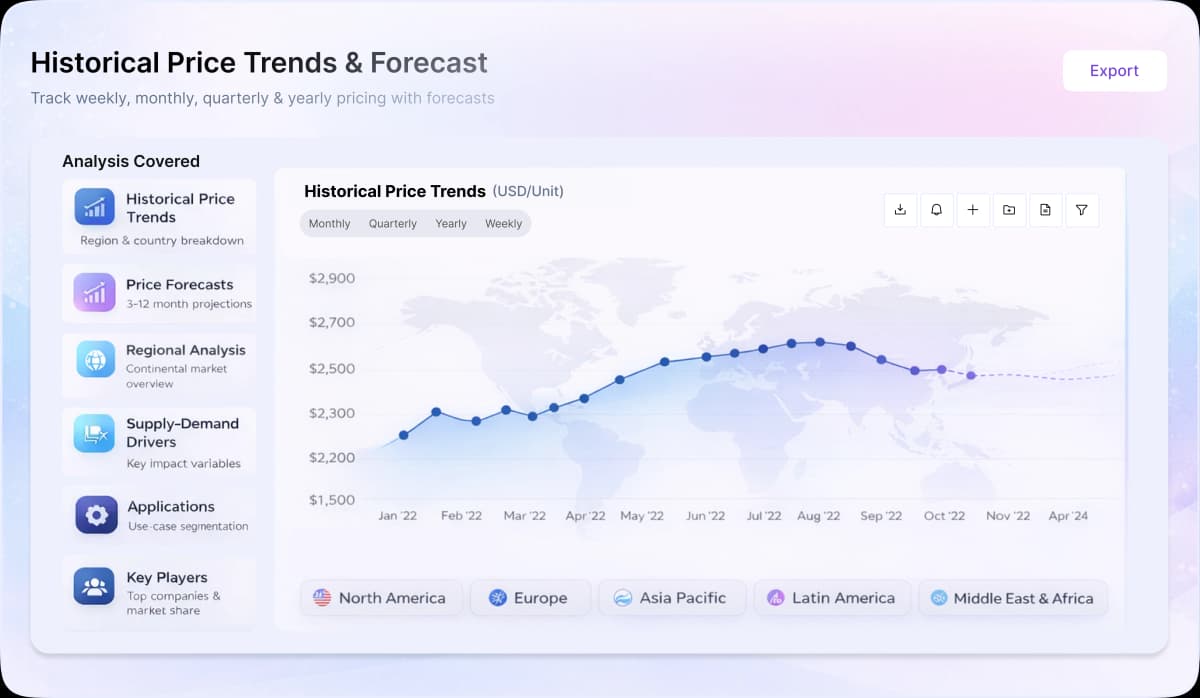
Turn price intelligence into action with the Procurement Resource Database. Log in or subscribe to unlock live price trends, historical charts, supplier databases, cost curves, and analyst-backed insights across chemicals, agriculture, energy, packaging, and more. Use these tools to benchmark your contracts, plan budgets with confidence, and stay ahead of market moves on every product you buy.

Butyl Acrylate Dashboard Inclusions

Butyl Acrylate Price Dasboard

0

+

Products

0

+

Regions

0

+

Subscriptions

Asia

The Asian butyl acrylate market experienced downward pressure throughout the fourth quarter, driven primarily by declining feedstock acrylic acid costs and subdued downstream consumption patterns. Chinese markets, representing the dominant regional production hub, witnessed progressive price erosion as manufacturers adjusted quotations to reflect lower input costs and maintain competitive positioning. Demand from architectural coatings and industrial paint formulations remained lacklustre, with end-user industries demonstrating cautious procurement strategies rather than building inventories. Adhesives manufacturers showed measured purchasing activity while sealant producers maintained just-in-time ordering approaches. Textile coating applications generated limited consumption growth, and construction materials sectors demonstrated weak order flows amid broader economic uncertainties. Supply conditions remained comfortable as major manufacturing facilities maintained stable operating rates, contributing to inventory availability that compelled producers to compete on pricing.

Europe

European butyl acrylate markets mirrored the downward trajectory observed in Asian regions during the fourth quarter, experiencing similar fundamental pressures from feedstock acrylic acid cost declines and demand weakness. Downstream sectors, including architectural coatings, construction adhesives, and industrial paint formulations, demonstrated subdued consumption patterns as broader manufacturing activity remained constrained. Sealant applications for automotive and construction markets showed limited growth momentum, while paper coating demand stayed measured. Purchasing behaviour reflected conservative inventory management strategies, with buyers limiting procurement to immediate requirements amid expectations of continued price softness. Competitive pressure from adequate regional production capacity and comfortable supply availability contributed to sustained downward pricing momentum throughout the period.

North America

North American butyl acrylate markets followed patterns consistent with Asian and European regions during the fourth quarter, experiencing progressive price declines driven by declining feedstock acrylic acid costs and comparable supply-demand imbalances. Downstream demand from architectural paints, pressure-sensitive adhesives, and industrial coating applications remained measured, providing insufficient consumption growth to absorb available supply. Paper coating sectors demonstrated stable but uninspiring order volumes, while construction sealants faced seasonal headwinds. Market participants adopted conservative purchasing approaches, maintaining minimal inventory positions as price expectations remained bearish. Adequate supply availability and tepid end-use demand sustained downward pressure through the quarter.

About Butyl Acrylate

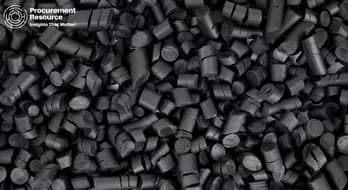
Butyl acrylate is a significant acrylic monomer from the acrylic esters group, which is generated from acrylic acid and used to give a wide range of polymers performance qualities.

Butyl Acrylate Product Detail

Chemical Formula

C7H12O2

Molecular Weight
128.17g/mol
Synonyms

n-Butyl acrylate, 141-32-2, butyl prop-2-enoate, 2-Propenoic acid, butyl ester

Industrial Uses

Paints & coatings, Adhesives & sealants, Textiles, Plastic additives, Paper treatment

Supplier Database

Arkema S.A., BASF S.E, Nippon Shokubai Co. Ltd, Dowdupon Inc., LG Chem Ltd., Taogosei Co. Ltd., Mitsubishi Chemical Corporation, SunVic Chemical Holdings Corporation

Regional Coverage

Asia Pacific

China, India, Indonesia, Pakistan, Bangladesh, Japan, Philippines, Vietnam, Iran, Thailand, South Korea, Iraq, Saudi Arabia, Malaysia, Nepal, Taiwan, Sri Lanka, UAE, Israel, Hongkong, Singapore, Oman, Kuwait, Qatar, Australia, and New Zealand

Europe

Germany, France, United Kingdom, Italy,Spain, Russia, Turkey, Netherlands, Poland, Sweden, Belgium, Austria, Ireland Switzerland, Norway, Denmark, Romania, Finland, Czech Republic, Portugal and Greece

North America

United States and Canada

Latin America

Brazil, Mexico, Argentina, Columbia, Chile, Ecuador, and Peru

Africa

South Africa, Nigeria, Egypt, Algeria, Morocco

CurrencyUS$ (Data can also be provided in local currency)

Supplier Database AvailabilityYes

Customization ScopeThe report can be customized as per the requirements of the customer

Post-Sale Analyst Support360-degree analyst support after report delivery

Note: Our supplier search experts can assist your procurement teams in compiling and validating a list of suppliers indicating they have products, services, and capabilities that meet your company's needs.

Butyl Acrylate Production Processes

  • Butyl Acrylate Production from Acrylic Acid and n-Butanol via Esterification; Butyl Acrylate Production from Propylene and n-Butanol via Propylene Oxidation

Via Esterification: In this process, butanol and acrylic acid undergo a reaction in a reactor in the presence of an esterification catalyst. The water produced is entrained via distillation in a column, leaving the desired product, i.e., butyl acrylate.

Frequently Asked Questions

During Q1 2026, butyl acrylate prices showed a strong upward trend across major regions. In China, prices showed a 20.56% increase from January to March, while in India they witnessed a 68.53% increase, in the USA an 18.96% increase, in Brazil a 22.46% increase, and in Canada a 17.23% increase. The rise was driven by higher feedstock costs, tight supply, and firm downstream buying.
The butyl acrylate outlook for 2026 remains firm, supported by demand from paints, coatings, adhesives, sealants, textiles, paper coatings, and specialty polymers. Prices are expected to remain sensitive to acrylic acid, n-butanol, propylene, and energy costs. Demand may improve with construction, packaging, automotive coatings, and industrial production, while new capacity in Asia may limit sharp price gains later in the year.
The main factors affecting butyl acrylate prices in Q1 2026 were higher acrylic acid and n-butanol costs, stronger restocking, and tighter regional supply. Buyers in coatings, adhesives, construction chemicals, and packaging secured material amid expectations of further price increases. Freight pressure and limited spot availability also supported higher delivered prices, especially in import-dependent markets.
Major butyl acrylate markets include China, India, the United States, Germany, Japan, South Korea, Taiwan, Brazil, Canada, and the Netherlands. China remains a major producer and consumer because of its large acrylates and coatings industry. Key companies include BASF, Arkema, LG Chem, Nippon Shokubai, Mitsubishi Chemical, Sasol, Wanhua Chemical, CNOOC, CNPC, Formosa Plastics, and IndianOil.
In February 2026, Tianjin Bohai Chemical commenced operations of its butyl acrylate project on February 24, 2026. The launch formed part of a wider acrylic acid and superabsorbent resin initiative. The project strengthened the company’s shift from single-product propylene manufacturing toward higher-value chemical materials and added new butyl acrylate availability in China’s acrylics value chain.
Butyl acrylate is mainly produced by esterifying acrylic acid with n-butanol. Acrylic acid is usually made from propylene oxidation, while n-butanol is produced through oxo alcohol routes. The value chain includes propylene sourcing, acrylic acid production, n-butanol supply, esterification, purification, storage, distribution, and use in coatings, adhesives, sealants, textile binders, plastic additives, paper coatings, and specialty polymer applications.
Butyl acrylate is widely used in acrylic polymers, emulsion polymers, pressure-sensitive adhesives, paints, coatings, sealants, textile finishes, paper coatings, leather finishes, plastics, and construction chemicals. It provides flexibility, adhesion, weather resistance, and film-forming properties. These features make it important in water-based coatings, packaging adhesives, labels, tapes, architectural paints, automotive coatings, and industrial surface treatment formulations.
Butyl acrylate demand is mainly driven by paints and coatings, construction, packaging, adhesives, sealants, textiles, automotive, paper, leather, and plastics industries. Paints and coatings remain a major consumption area because butyl acrylate improves film flexibility and adhesion. Packaging and label applications also support demand through pressure-sensitive adhesives, while construction activity drives use in sealants and architectural coatings.
A key 2026 policy development was the European Commission’s antidumping investigation into acrylic ester imports, initiated on March 12, 2026. The investigation covered butyl acrylate and 2-ethylhexyl acrylate from the United States, China, Saudi Arabia, and South Africa under CN code 2916.12.00. The measure increased trade uncertainty, raised the risk of future duties, and influenced European buyer decisions on sourcing and inventory planning.
Procurement Resource employs a structured methodology combining primary research, secondary market data, analytical models, and validation processes to assess butyl acrylate prices and trends. Price evaluations incorporate supply-demand dynamics, feedstock movements, trade flows, and value chain analysis, supported by continuous market monitoring to ensure accurate and reliable insights.

About the Author

Udeesha Tomar profile photo

Udeesha Tomar

AVP - Strategy and Solutions

Leading procurement research solutions across chemicals, materials, and food & beverages, with expertise in price forecasting and market analytics.

Our Price Analysis Methodology

Schedule Demo

Schedule a demo

Experience how Procurement Resource transforms raw material price data into clear, decision ready intelligence. Optimise your performance with reliable, expert market data and analysis. Schedule your demo today to experience a live walk-through where our experts will showcase interactive price charts, forecasted prices, and insights driving the prices for your key commodities, tailored to your workflows. Contact us now!

Our Team will be happy to assist you

We are just a text away

+1

Still Need Help?

Europe & Africa

+44 7573 171117

[email protected]

USA & Canada

+1 307 363 1045

[email protected]

APAC

+91 8850629517

[email protected]

Other Related Reports

Butyl Acrylate Production from Propylene and n-Butanol via Propylene Oxidation

This report presents a detailed cost analysis of butyl acrylate production from n-butanol and propylene using propylene oxidation process.

Unlock full access to Procurement Resource's price databases, interactive charts, and short-term forecasts for thousands of commodities. Elevate your sourcing decisions by comparing prices across regions, downloading historical data, and layering in analyst-backed insights, all with our flexible plans that scale as your portfolio grows.

Still have any Questions

Contact Us
Mastercard
Wire
VISA
Stripe

Related News

View All

Why Procurement Database

Commodity Market Intelligence

Commodity Market Intelligence

Track prices, market movements, supply-demand dynamics, and industry developments across hundreds of commodities through a centralized intelligence platform built for informed procurement decisions.

Price Forecasts & Market Outlooks

Price Forecasts & Market Outlooks

Understand market fluctuations using analyst-backed forecasts, historical pricing patterns, and evolving industry trends to strengthen sourcing strategies and budget planning.

Cost & Procurement Optimization

Cost & Procurement Optimization

Leverage cost models, pricing benchmarks, and procurement insights to evaluate purchasing opportunities, improve negotiations, and enhance operational efficiency.

Global & Regional Market Insights

Global & Regional Market Insights

Access region-specific price trends, trade activities, capacity changes, and supply chain developments influencing commodity markets worldwide.

1/4