- Global cassava starch markets witnessed mixed-to-firm movement during Q1’26 as steady Asian demand and rising logistics costs balanced comfortable regional supply conditions.
- Feedstock availability remained stable across Southeast Asia, although higher freight, bunker fuel, and marine insurance costs linked to Strait of Hormuz disruptions increased export expenses.
- Demand from starch, animal feed, ethanol, paper, and food processing sectors remained moderate, while cautious Chinese procurement limited stronger upward momentum.
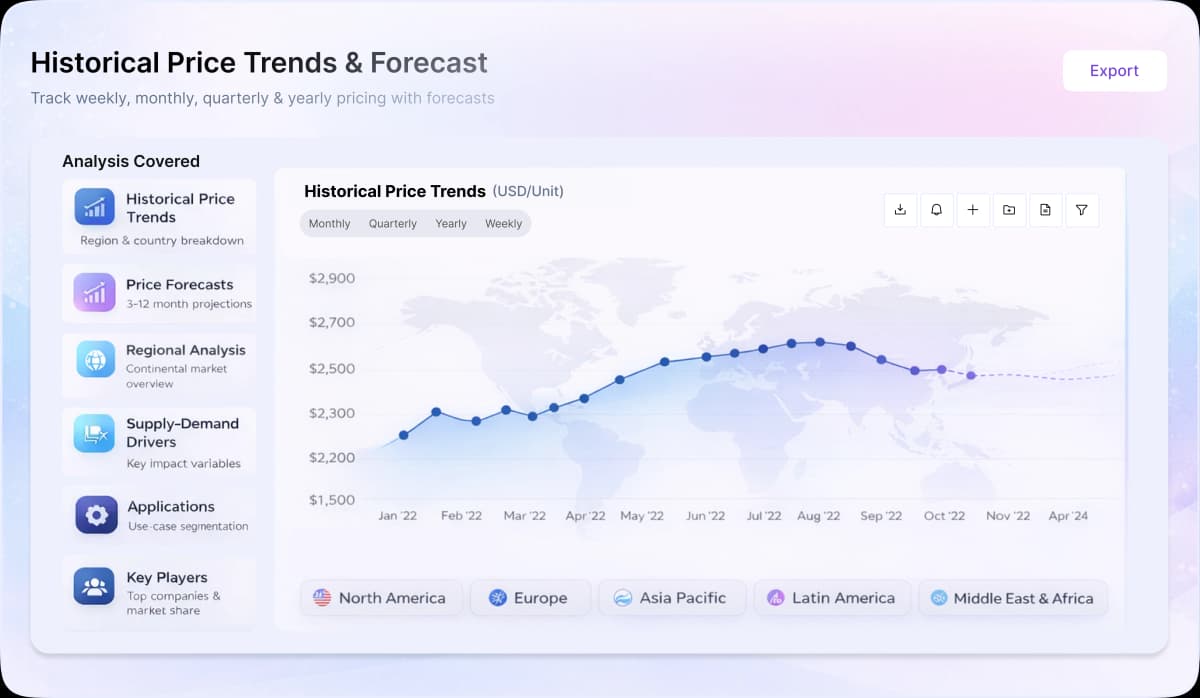
Cassava starch market sentiment remained comparatively firm during Q1’26 due to strong regional trade flows and elevated transportation costs despite adequate feedstock availability in Southeast Asia. Thailand continued dominating global exports, with cassava shipments in 2025 surpassing 8.25 million tons, increasing by 26.53% year-on-year, while pre-orders for 2026 exceeded 2.46 million tons, reflecting sustained downstream demand from starch and feed sectors. Vietnam’s Q1’26 cassava and cassava product exports reached nearly 1.34 million tons, with China accounting for approximately 93% of total export value, highlighting the market’s continued dependence on Chinese industrial consumption. Early-quarter sentiment remained pressured by weaker starch demand and substitution toward cheaper feed grains, although stable procurement from ethanol, food additive, paper, and feed industries supported baseline consumption. Later in the quarter, the Iran war and Strait of Hormuz disruptions increased freight and marine insurance costs across Asian agricultural shipping routes, tightening cargo movement and supporting export prices. However, cautious downstream purchasing and price-sensitive buyers restricted aggressive procurement activity despite elevated logistics expenses.
Analyst Insight
According to Procurement Resource, cassava starch prices are expected to remain stable to firm as strong Asian trade flows and higher export costs continue balancing moderate downstream demand conditions.