Procurement Resource Logo
    • Complexity Reduction Tool
    • Digital Should Cost Model
    • Procure 360
    • Sourcing Compass
    • Spend Analytics
    • Sustainability Tracker
    • Pricing Dashboard
  • Industries
    • Agriculture & Farming Commodities
    • Chemicals
    • Energy, Metals and Minerals
    • Flavours and Fragrances
    • Food and Beverages
    • Healthcare
    • Machinery, Electronics and Durables
    • Operating Costs, Logistics and Utilities
    • Packaging
  • Services
    • Category Compass
    • Commodity Compass
    • Supplier Compass
    • Data Analytics & Automation
    • Digital Solutions
    • Blogs
    • News & Articles
    • Newsletter
    • Manufacturing Plant Project Report3000+
    • Production Cost Report2000+
    • Price Trends1000+
Social Media Icon of linkedinCall Support IconSearch Icon
Login

Newsletter

Get Latest News About Procurement Resource Subscribe for News

Procurement

Industries

  • Agriculture & Farming Commodities
  • Chemicals
  • Energy, Metals and Minerals
  • Flavours and Fragrances
  • View All

Services

  • Category Compass
  • Commodity Compass
  • Supplier Compass
  • Data Analytics & Automation
  • Digital Solutions
  • View All

Useful Links

  • Testimonial
  • Press Releases
  • About Us
  • Careers
  • Who We Are
  • Term Of Use
  • Contact Us

Solutions

  • How We Work
  • Tail Spend Management
  • Full Time Engagement
  • Custom Research
  • Subscriptions
  • Resource Center
  • Return/Refund Policy
Copyright © 2026 Procurement Resource. All rights reserved.
  • Social Media icon Twitter i.e X
  • Social Media icon instagram i.e insta
  • Social Media icon linkedin i.e in
  • Social Media icon facebook i.e fb

Dextrose Price Trend Analysis 2026: Latest News, Market Insights, Supply Demand Analysis, Historical Prices & Price Drivers

  1. Home/
  2. Resource Center/
  3. Dextrose
Written BySiddharth David

Enquire for the latest Dextrose price

Enquire

Dextrose Price Trend Q1 2026

  • Dextrose prices rose across all regions in Q1 2026, driven by energy cost escalation in wet milling operations following the Hormuz closure, even as corn feedstock remained structurally abundant.
  • Rising corn planting costs and a sharp surge in fertilizer input costs following the Hormuz closure inflated the corn production cost base feeding wet milling operations globally.
  • Downstream demand from food processing, pharmaceuticals, fermentation, and sports nutrition remained firm and inelastic, with buyers absorbing cost increases rather than reducing procurement volumes.

Asia

In China, the world's second-largest dextrose producer, the Hormuz closure drove natural gas and electricity costs sharply higher from late February, directly inflating the energy-intensive wet milling process across steeping, saccharification, and drying stages. Environmental compliance shutdowns at several starch processing units intermittently tightened availability through the quarter. In India, import dependence on dextrose and upstream corn starch derivatives exposed buyers to both elevated ocean freight on Asia-origin shipments and energy-driven production cost increases from Chinese suppliers, sustaining upward procurement cost pressure through March.

Europe

European processors faced the sharpest energy cost transmission of all three regions, as LNG-linked industrial gas pricing surged following the Hormuz closure's disruption of Qatari LNG flows into European industrial markets. Adequate Eastern European corn supply kept feedstock available but provided no buffer against the energy squeeze compressing wet milling margins across the region. Elevated Red Sea diversion surcharges on inbound corn starch and finished dextrose shipments added further cost pressure through March.

North America

North American producers operated with the most insulated feedstock position, with US 2025-26 corn ending stocks at 2.13 billion bushels, keeping raw material availability comfortable. However, natural gas price escalation driven by the Hormuz closure raised wet milling energy costs materially, while rising diesel prices added road freight distribution surcharges across domestic supply chains.

Analyst Insight

According to Procurement Resource, dextrose prices are expected to remain firm into Q2 2026, with energy costs sustaining upward pressure on wet milling operations and downstream demand across food, pharmaceutical, and fermentation end uses providing consistent volume support.

Related Report

  • Dextrose Manufacturing Plant Project Report

Need latest Dextrose price?

Get real-time price assessments, periodic trends, forecasts and price driver insights across key global markets.

Unlock Price Insights Now

Our Clients

ITC
Nestlé
GMR
Shell New
Veolia
UPM-Kymmene-Oyj-Technology
Syngenta
Sulzer
SPIC
SK-ENMOVE
SES-Water
Roche-Products-Limited
RioTinto
Perfetti-Van
Marinochem
Mada-Gypsum
Kingfisher
Kennametal
Johns-Hopkins
Honda
Hitachi-Energy
Hindustan-Unilever
ANSA-MCAL
ASHIRVAD PIPES
Bannerman-Energy
BASF-SE
Dhunseri-Ventures
DUKSAN
Glenmark
Groupe-Atlantic
Hanil-Industrial-Chemical

We have been working with Procurement Resource for over two years now. These guys can provide data for any market in any country. I have given them numerous challenging assignments to work upon and have been quite impressed with their approach and results.

Large Indian Conglomerate and a known FMCG Brand Procurement Manager

When we started our Betaine manufacturing operations in Brazil, we were struggling to identify suppliers and benchmark our procurement costs vs other players already in the market. Procurement Resource helped us understand the market in Latin America, the key suppliers, how others were getting products, and even helped us in negotiating prices.

Global FMCG GiantDirector (Manufacturing)

I would like to recognize quality of work done by your team on VIP (Value Improvement Program) for Purplle Private brand Packaging portfolio. Your team helped us in identifying right suppliers, collected Vendor related data, floating inquiry, price comparison+benchmarking. This has helped us achieve a significant cost saving.

Co-Founder & CEORupesh Aggarwal

Procurement Resource Database

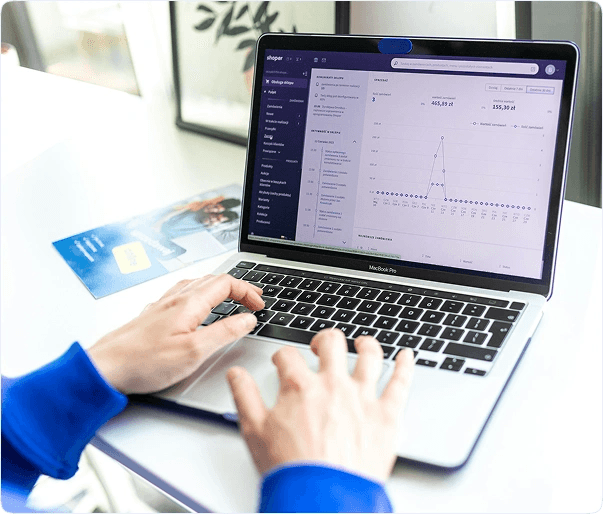
Laptop screen

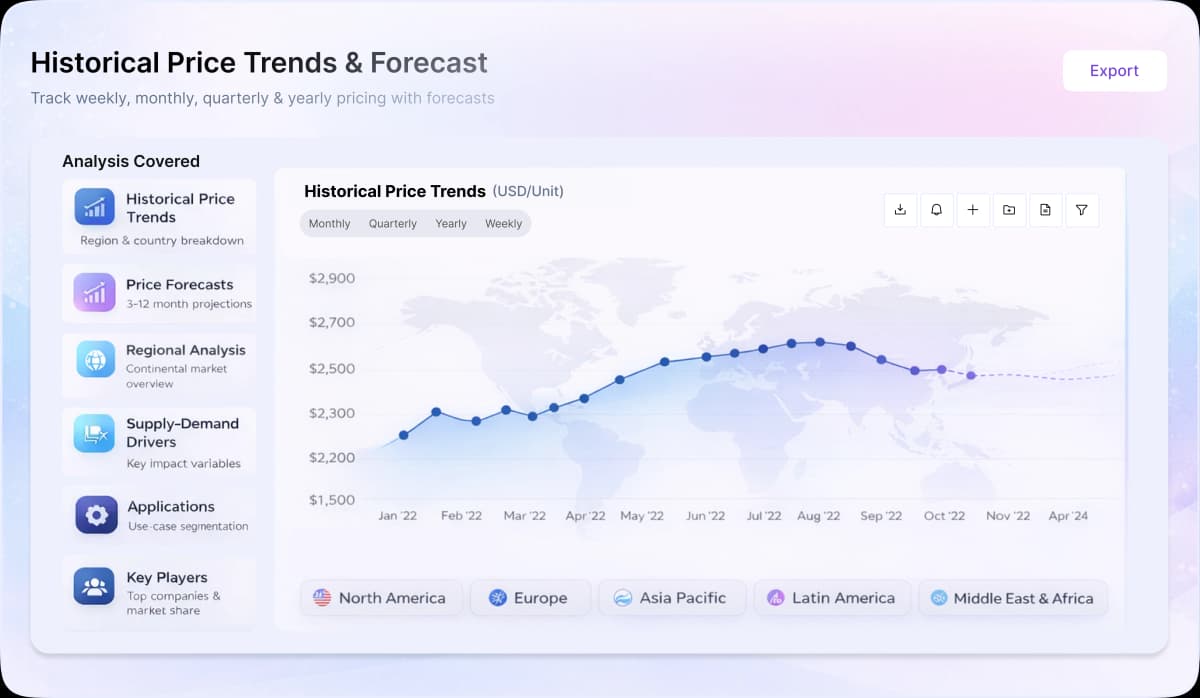
Turn price intelligence into action with the Procurement Resource Database. Log in or subscribe to unlock live price trends, historical charts, supplier databases, cost curves, and analyst-backed insights across chemicals, agriculture, energy, packaging, and more. Use these tools to benchmark your contracts, plan budgets with confidence, and stay ahead of market moves on every product you buy.

LoginSubscribe

Dextrose Dashboard Inclusions

Dextrose Price Dasboard

0

+

Products

0

+

Regions

0

+

Subscriptions

Asia

During Q4’25, dextrose prices in Asia generally declined. Maize, the main feedstock for dextrose, remained widely available after strong harvests, keeping raw material costs low. Oversupply in major producing countries put pressure on prices, while demand from food, beverage, and pharmaceutical industries stayed steady but not strong enough to lift the market. Seasonal restocking was limited, and manufacturers focused on selling existing inventory. These factors combined to create a soft price environment throughout the quarter.

Europe

In Europe, dextrose prices were stable to slightly weaker. Adequate availability of maize and consistent production helped maintain balanced inventories, reducing sudden price movements. Buyers managed their purchases cautiously, focusing on immediate requirements rather than bulk restocking. Weakness in global maize and starch markets also lowered input costs, which kept dextrose prices from rising. Overall, European markets saw calm conditions, with minor fluctuations driven mostly by short-term procurement needs.

North America

North American dextrose prices remained subdued in Q4’25. Strong maize availability and well stocked inventories kept supply tightness from developing. Downstream demand from industrial, food, and beverage sectors continued at a moderate pace, supporting steady sales but limiting upward price pressure. Producers focused on efficient production and cost management, passing savings to buyers, which contributed to overall stable to slightly soft prices.


About Dextrose

Dextrose, which is similar to glucose, is an example of a simple sugar. It can be extracted naturally from fruits or can be developed industrially via hydrolysis of starch. Dextrose is primarily prepared by plants and most algaes during photosynthesis from water and carbon dioxide.

It is extensively used as a sweetener. It also has medical purposes as it is dissolved in solutions that are given intravenously, which can further be mixed with other drugs, or used to improve a person’s blood sugar. This simple sugar can be quickly absorbed by body for energy.

Dextrose Product Detail

Chemical Formula

C6H12O6

Molecular Weight
180.16 g/mol
Industrial Uses

Medications, Beverage, Agriculture/Animal Feed, Nutritional Supplement, Sweetener

Synonyms

D-Glucose, D-gluco-hexose, Blood Sugar, Corn Sugar, d-Glucose, Grape Sugar

Supplier Database

Global Sweeteners Holding Ltd, Roquette Frères SA, Cargill, Incorporated, Ingredion, Incorporated, Tate & Lyle PLC, Archer Daniels and Midland Company (ADM)

Regional Coverage

Asia Pacific

China, India, Indonesia, Pakistan, Bangladesh, Japan, Philippines, Vietnam, Iran, Thailand, South Korea, Iraq, Saudi Arabia, Malaysia, Nepal, Taiwan, Sri Lanka, UAE, Israel, Hongkong, Singapore, Oman, Kuwait, Qatar, Australia, and New Zealand

Europe

Germany, France, United Kingdom, Italy,Spain, Russia, Turkey, Netherlands, Poland, Sweden, Belgium, Austria, Ireland Switzerland, Norway, Denmark, Romania, Finland, Czech Republic, Portugal and Greece

North America

United States and Canada

Latin America

Brazil, Mexico, Argentina, Columbia, Chile, Ecuador, and Peru

Africa

South Africa, Nigeria, Egypt, Algeria, Morocco

CurrencyUS$ (Data can also be provided in local currency)

Supplier Database AvailabilityYes

Customization ScopeThe report can be customized as per the requirements of the customer

Post-Sale Analyst Support360-degree analyst support after report delivery

Note: Our supplier search experts can assist your procurement teams in compiling and validating a list of suppliers indicating they have products, services, and capabilities that meet your company's needs.

Dextrose Production Processes

  • Production of Dextrose via Enzymatic Hydrolysis

In this process, Dextrose is obtained from the hydrolysis of starch. Starch is hydrolysed in the presence of an enzyme called glucoamylase, which breaks the complex starch molecules into the simpler form, leaving behind dextrose molecules.

Siddharth David profile photo

Siddharth David

Manager - Market Research

Delivering market research and procurement intelligence at Procurement Resource with a focus on economic forecasting, commodity analysis, and client advisory to help sourcing teams make data-backed purchasing decisions.

Read Full Bio

Our Price Analysis Methodology

100% Authentic Report Gauge
View Detail Methodology
Schedule Demo

Schedule a demo

Experience how Procurement Resource transforms raw material price data into clear, decision ready intelligence. Optimise your performance with reliable, expert market data and analysis. Schedule your demo today to experience a live walk-through where our experts will showcase interactive price charts, forecasted prices, and insights driving the prices for your key commodities, tailored to your workflows. Contact us now!

Our Team will be happy to assist you

We are just a text away

+1

Still Need Help?

Europe & Africa

+44 7573 171117

[email protected]

USA & Canada

+1 307 363 1045

[email protected]

APAC

+91 8850629517

[email protected]

Other Related Reports

Dextrose Production from Hydrolysis

This report provides the cost structure of dextrose from the hydrolysis of starch.

Request Free SampleView More

Dextrose Monohydrate Production from Hydrolysis

This report provides the cost structure of dextrose monohydrate from the hydrolysis of corn starch. In this process, complex molecules of corn starch are broken to produce simple molecules.

Request Free SampleView More

Unlock full access to Procurement Resource's price databases, interactive charts, and short-term forecasts for thousands of commodities. Elevate your sourcing decisions by comparing prices across regions, downloading historical data, and layering in analyst-backed insights, all with our flexible plans that scale as your portfolio grows.

Still have any Questions

Contact Us
Mastercard
Wire
VISA
Stripe

Price Trend Dashboard - What's Included

Price trends across a diverse portfolio of categories and products, spanning board to niche chemicals

Coverage extendable to grade-specific chemicals based on procurement requirements

Regular price tracking supported by robust historical datasets

News, policy updates, and key market drivers impacting price movements

Short-term and long-term price outlooks and forecasts

Supply-demand dynamics and capacity-driven market analysis

Subscribe Now

Related News

View All
News 270

Sanction on the Framework on Steviol Glycosides by Codex Alimentarius Announced by the International Stevia Council

News 16

Indian Sugar Mills Demand Export of Molasses to Blend in Glut Season while Focusing on Ethanol Production

Why Procurement Database

Commodity Market Intelligence

Commodity Market Intelligence

Track prices, market movements, supply-demand dynamics, and industry developments across hundreds of commodities through a centralized intelligence platform built for informed procurement decisions.

Price Forecasts & Market Outlooks

Price Forecasts & Market Outlooks

Understand market fluctuations using analyst-backed forecasts, historical pricing patterns, and evolving industry trends to strengthen sourcing strategies and budget planning.

Cost & Procurement Optimization

Cost & Procurement Optimization

Leverage cost models, pricing benchmarks, and procurement insights to evaluate purchasing opportunities, improve negotiations, and enhance operational efficiency.

Global & Regional Market Insights

Global & Regional Market Insights

Access region-specific price trends, trade activities, capacity changes, and supply chain developments influencing commodity markets worldwide.

1/4