Asia
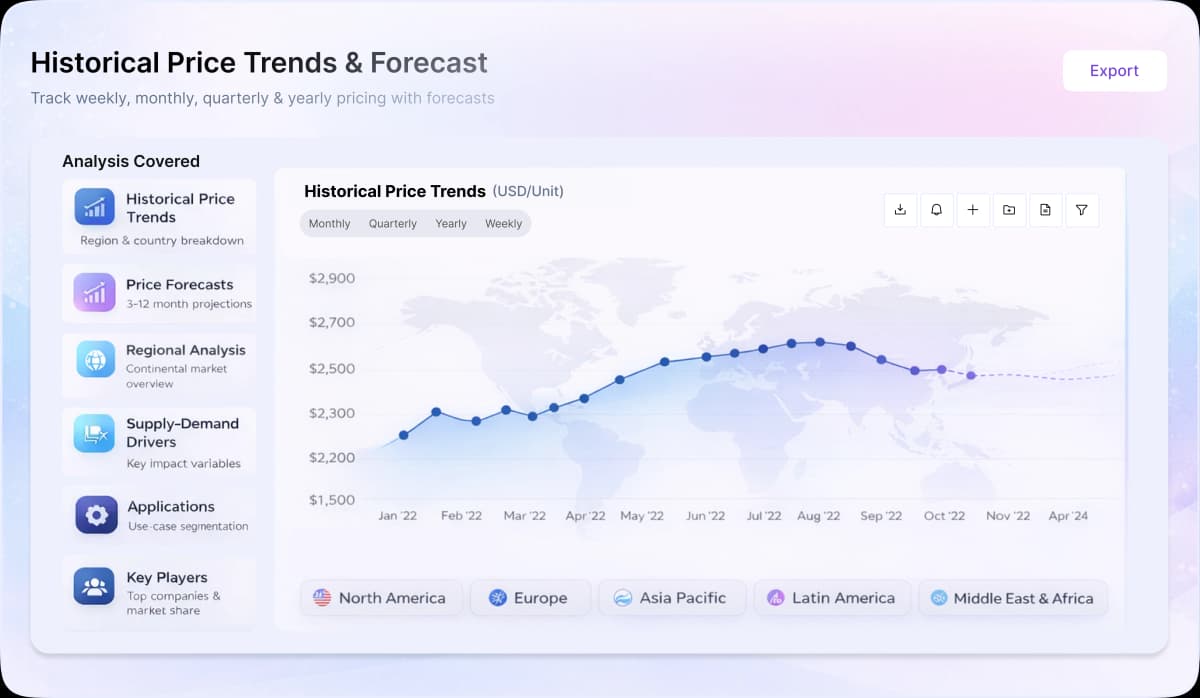
During the first half of 2025, the DMF market in Asia, especially in China, followed a mostly stable to slightly weak pricing trend. The early months were influenced by lower activity due to seasonal holidays, which slowed industrial operations. Demand from key sectors such as pharmaceuticals remained steady, offering some support, while textiles and electronics showed muted procurement.
Prices held within a narrow range, as supply conditions were generally balanced and producers managed inventory cautiously. By March, although market sentiments were still weak, improving demand from agrochemicals and pharmaceuticals helped stabilize the market. In April, as essential buying picked up and feedstock prices softened, production continued without major disruptions. This supported a gradual shift from bearishness toward stability by the end of the half-year.
Europe
In Europe, DMF prices showed a mixed trend through H1’25. The start of the year was sluggish with limited buying from the textile and agrochemical industries. Pharmaceutical and specialty chemical applications provided some market activity, but not enough to drive significant price changes.
Feedstock availability and costs remained mostly stable, keeping supply aligned with demand. Producers adopted careful output strategies to avoid overstocking. By the second quarter, minor improvements were seen due to seasonal demand and moderate exports. However, overall pricing stayed under pressure due to continued cautious purchasing and weak broader industrial momentum.
North America
In North America, the DMF market experienced varied pricing movements. The pharmaceutical industry maintained consistent demand, helping to hold the market steady. In contrast, sectors like coatings and polymers faced a slow start due to seasonal downturns and conservative restocking, which led to irregular procurement.
While supply remained generally stable, minor logistical issues in some areas caused local inconsistencies in availability and prices. Environmental regulations and efficiency initiatives also influenced market operations. Despite the mixed conditions, the latter part of H1 saw gradual improvement as downstream sectors began to recover.