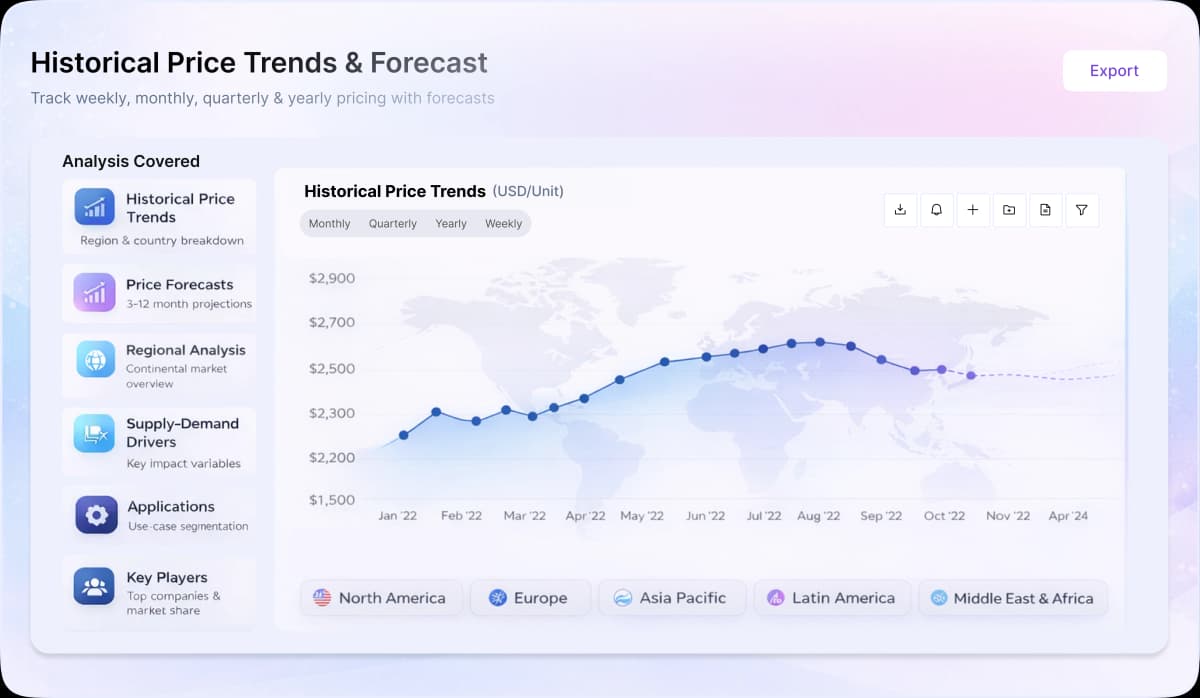
- Global ethyl acetate prices moved on a firm but uneven path in Q1 2026, with early stability followed by cost-driven increases as supply disruptions and logistics issues intensified.
- Feedstock support remained strong as acetic acid trends pushed production costs higher, while the Iran war and Strait of Hormuz disruptions increased freight and supply risks.
- Downstream demand from paints, coatings, adhesives, pharmaceuticals, and packaging stayed moderate, with buyers maintaining cautious procurement and limiting sharp price spikes.
Asia
In Asia, ethyl acetate prices witnessed an upward movement in Q1 2026. In India, prices were about INR 67.2/kg (EXW) in January and around INR 70.5/kg in March, reflecting a 2.5% increase, while on a quarter-on-quarter basis, prices rose by 4.4%. The rise was prompted by increased expenses of raw materials, such as acetic acid, and decreased supply, caused by logistics disruptions within the Middle East region. Delays in delivery via the Strait of Hormuz increased shipping prices and restricted supply. The downstream demand for paints and adhesives was stable and conservative, avoiding sharp rises.
Europe
In Europe, ethyl acetate prices displayed an oscillating pattern with an upward bias during the first quarter of 2026. The prices of acetic acid were bolstered by increasing costs of energy owing to the war in Iran, while logistic expenses were also high due to increased congestion around the Strait of Hormuz. The rise in production expenses as well as logistical charges supported the upward movement in the ethyl acetate prices. Nonetheless, the lack of demand from the coatings, ink, and packaging industries hampered any sharp increase.
North America
The ethyl acetate prices witnessed a wavering but firm pattern in Q1 2026 throughout the North American markets. Market followed the global pattern where there was a cost escalation due to increased cost of raw materials and energy, as geopolitical tensions resulted in higher crude oil prices, thus increasing the cost of ethyl acetate. Logistical issues and a shortage of ethyl acetate in the international market helped to sustain the market, whereas the domestic supplies remained stable.







































.webp&w=1080&q=75)


