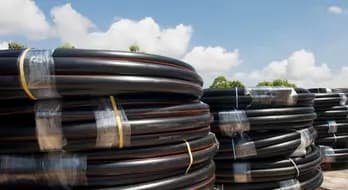
- Global HDPE prices followed a mixed-to-firm trend during Q1’26 as rising feedstock costs and geopolitical disruptions offset uneven downstream demand across major regions.
- Higher crude oil, naphtha, and ethylene values, along with freight disruptions linked to the Iran conflict and Strait of Hormuz uncertainty, increased global production and replacement costs.
- Demand from packaging, construction, consumer goods, automotive, and industrial applications improved gradually in Asia, while Europe remained comparatively weak and North America stayed stable.
Asia
The Asian HDPE market recovered steadily during Q1’26 after a weaker start supported by improving packaging demand and rising feedstock costs. In China, the average price during Q1’26 was 8.17 RMB/kg (Spot, injection molding), which was 7.42 RMB/kg in January and increased further to 7.72 RMB/kg and 9.37 RMB/kg in the subsequent months. Last quarter prices were 7.62 RMB/kg, reflecting a quarter-on-quarter rise of ~7.2%, while prices increased by ~26.3% from January to March. Higher ethylene and naphtha costs, tighter operating rates, and improving downstream demand from packaging and consumer goods supported the market. India also witnessed stronger sentiment due to improving retail packaging demand and higher import replacement costs. Reuters reported that the Middle East accounted for more than 40% of global polyethylene exports, and disruptions around the Strait of Hormuz sharply increased freight and resin replacement costs across Asia.
Europe
European HDPE prices remained under pressure during the early quarter due to weak manufacturing activity and cautious converter demand. However, elevated energy and feedstock costs limited deeper declines. Producers operated at reduced rates amid poor margins, while shipping disruptions linked to the Iran conflict increased import costs and tightened regional availability. Competitive pressure from lower-cost imports also continued affecting procurement activity across the European market.
North America
North American HDPE prices displayed comparatively firmer momentum during Q1’26 supported by higher ethylene costs and stable packaging demand. Domestic producers benefited from natural gas-based feedstock advantages and maintained export competitiveness. However, oversupply conditions restricted aggressive price hikes. Rising global freight costs and uncertainty surrounding Middle Eastern petrochemical trade flows also increased logistics expenses across the regional polyethylene market.






































.webp&w=1080&q=75)
.webp&w=1080&q=75)