Udeesha Tomar
AVP - Strategy and Solutions
Leading procurement research solutions across chemicals, materials, and food & beverages, with expertise in price forecasting and market analytics.

| Product | Region | Incoterm Basis | Price | Last Updated Month |
|---|---|---|---|---|
| Kraft Linerboard | USA | EXW | USD 1,262.00/MT | August 2026 |
| Kraft Linerboard | USA | EXW | USD 1,226.00/MT | July 2026 |
Stay updated with the latest Kraft Linerboard prices, historical data, and tailored regional analysis
Asia
Asian kraft linerboard markets began H1’26 weak as high mill inventories, softer recovered-paper costs and cautious pre-holiday packaging demand pressured market conditions. Imported supply surged temporarily around the end of Q1, adding further pressure. Conditions reversed from late April as recovered-fiber availability tightened, logistics costs increased and mills implemented upward adjustments. Stronger merchandise exports also improved carton and corrugated-packaging demand, helping absorb linerboard supply. By June, higher OCC costs and reduced recovered-fiber circulation provided firmer production-cost support despite still-cautious domestic consumption.
Europe
European kraft linerboard conditions were soft during January and February because of excess board capacity and subdued consumption. Markets firmed from March as higher energy, chemical and logistics costs encouraged producers to recover margins. Supply rationalization also supported the recovery, including consultations involving approximately 200,000 tonnes/year of containerboard capacity. However, continued European overcapacity and weak consumer demand restricted the extent of the increase.
North America
North America recorded the strongest H1 upward trend. Q1 containerboard production declined 8% year on year, total liner production fell 9%, and export shipments dropped 19%. Lower mill inventories, reduced unbleached kraft linerboard output and Q2 maintenance outages tightened availability. Producers operated systems at high rates to meet demand, while June capacity consolidation improved longer-term supply flexibility without reversing earlier tightness.
Analyst Insight
According to Procurement Resource, in the near term, kraft linerboard conditions are expected to remain firm, with recovered-fiber costs and disciplined supply supporting markets while subdued construction and consumer demand limit sharper gains.
Need Latest Kraft Linerboard Prices?
Get real-time price assessments, periodic trends, forecasts and price driver insights across key global markets.
Our Clients































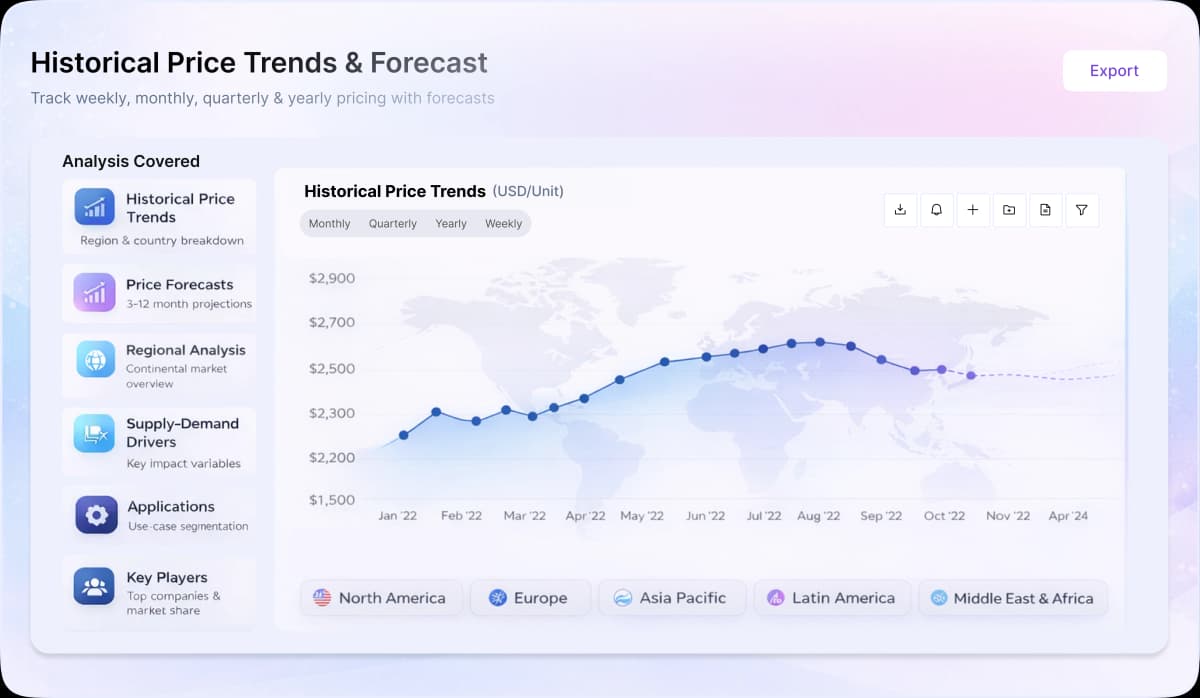
Turn price intelligence into action with the Procurement Resource Database. Log in or subscribe to unlock live price trends, historical charts, supplier databases, cost curves, and analyst-backed insights across chemicals, agriculture, energy, packaging, and more. Use these tools to benchmark your contracts, plan budgets with confidence, and stay ahead of market moves on every product you buy.
0
+Products
0
+Regions
0
+Subscriptions
Kraft linerboard is a strong paperboard material made primarily from kraft pulp and used as the outer layer of corrugated packaging. It provides high tensile strength, stiffness, and resistance to bursting. Kraft linerboard is available in virgin and recycled grades and is widely used for manufacturing corrugated boxes and industrial packaging solutions.
International Paper Company, WestRock Company, Smurfit Kappa Group,Mondi Group, DS Smith Plc, Nine Dragons Paper Holdings Limited
CurrencyUS$ (Data can also be provided in local currency)
Supplier Database AvailabilityYes
Customization ScopeThe report can be customized as per the requirements of the customer
Post-Sale Analyst Support360-degree analyst support after report delivery
Note: Our supplier search experts can assist your procurement teams in compiling and validating a list of suppliers indicating they have products, services, and capabilities that meet your company's needs.
Kraft linerboard production involves pulping wood fibres, preparing the fibre slurry, forming paper sheets, and drying them under controlled conditions. Manufacturers optimize fibre quality, basis weight, moisture content, and strength properties to produce linerboard suitable for corrugated packaging applications.
Kraft linerboard is mainly used in the production of corrugated boxes for packaging industries including food and beverages, e-commerce, consumer goods, chemicals, and electronics. It provides structural strength and protection during transportation. It is also used in heavy-duty packaging applications where durability, recyclability, and load-bearing capacity are required.
Our Price Analysis Methodology
AVP - Strategy and Solutions
Leading procurement research solutions across chemicals, materials, and food & beverages, with expertise in price forecasting and market analytics.
Experience how Procurement Resource transforms raw material price data into clear, decision ready intelligence. Optimise your performance with reliable, expert market data and analysis. Schedule your demo today to experience a live walk-through where our experts will showcase interactive price charts, forecasted prices, and insights driving the prices for your key commodities, tailored to your workflows. Contact us now!
Our Team will be happy to assist you
We are just a text away
Still Need Help?
The Study Offers a Detailed Cost Analysis of Linerboard Production From Softwood Trees. In Addition, the Report Incorporates the Manufacturing Process With Detailed Process and Material Flow, Operating Costs Along With Financial Expenses and Depreciation Charges.
The Study Offers a Detailed Cost Analysis of Northern Bleached Softwood Kraft (NBSK) Pulp Production From Lumber Woods. In Addition, the Report Incorporates the Manufacturing Process With Detailed Process and Material Flow, Operating Costs Along With Financial Expenses and Depreciation Charges.
Sugarcane wax Manufacturing Plant Project Report thoroughly focuses on every detail that encompasses the cost of manufacturing. Our extensive cost model meticulously covers breaking down expenses around raw materials, labour, technology, and manufacturing expenses. This enables precise cost structure optimization and helps in identifying effective strategies to reduce the overall cash cost of manufacturing.
Unlock full access to Procurement Resource's price databases, interactive charts, and short-term forecasts for thousands of commodities. Elevate your sourcing decisions by comparing prices across regions, downloading historical data, and layering in analyst-backed insights, all with our flexible plans that scale as your portfolio grows.
Still have any Questions
Contact Us



Price Trend Dashboard - What's Included
Price trends across a diverse portfolio of categories and products, spanning board to niche chemicals
Coverage extendable to grade-specific chemicals based on procurement requirements
Regular price tracking supported by robust historical datasets
News, policy updates, and key market drivers impacting price movements
Short-term and long-term price outlooks and forecasts
Supply–demand dynamics and capacity-driven market analysis

Track prices, market movements, supply-demand dynamics, and industry developments across hundreds of commodities through a centralized intelligence platform built for informed procurement decisions.

Understand market fluctuations using analyst-backed forecasts, historical pricing patterns, and evolving industry trends to strengthen sourcing strategies and budget planning.

Leverage cost models, pricing benchmarks, and procurement insights to evaluate purchasing opportunities, improve negotiations, and enhance operational efficiency.
Access region-specific price trends, trade activities, capacity changes, and supply chain developments influencing commodity markets worldwide.