Linear Alkyl Benzene Price Trend Analysis 2026: Latest News, Price Drivers, Supply Demand Analysis, Market Insights & Historical Prices

Pragati Agarwal profile photo
Written ByPragati Agarwal

Procurement Resource Database

Laptop screen

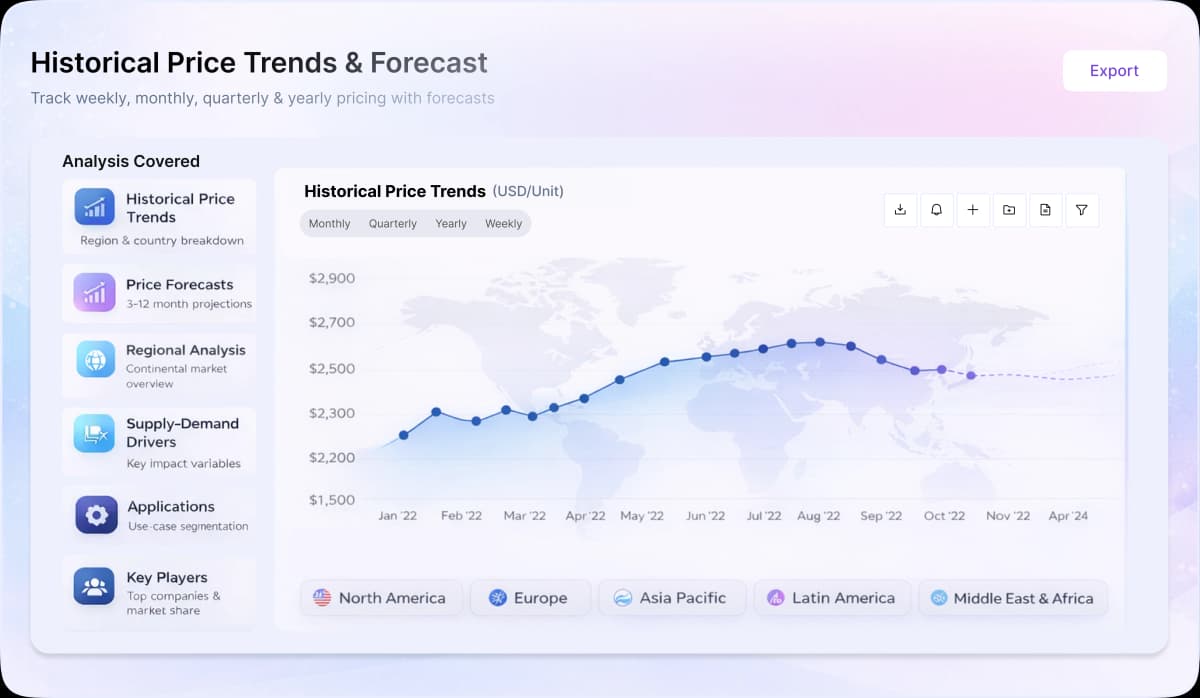
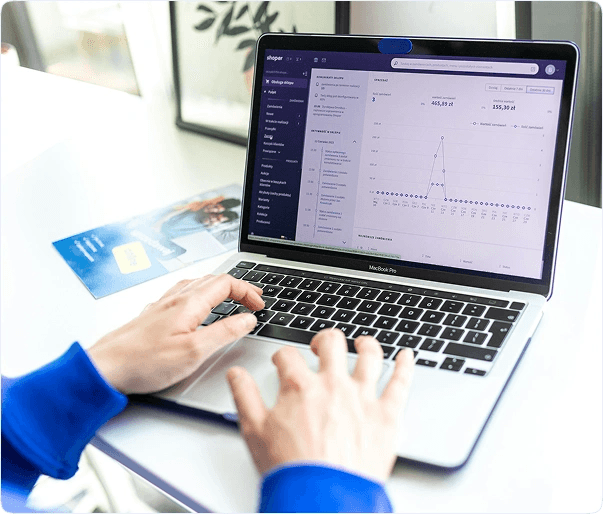
Turn price intelligence into action with the Procurement Resource Database. Log in or subscribe to unlock live price trends, historical charts, supplier databases, cost curves, and analyst-backed insights across chemicals, agriculture, energy, packaging, and more. Use these tools to benchmark your contracts, plan budgets with confidence, and stay ahead of market moves on every product you buy.

Linear Alkyl Benzene Dashboard Inclusions

Linear Alkyl Benzene Price Dasboard

0

+

Products

0

+

Regions

0

+

Subscriptions

Asia

The Asia Pacific linear alkyl benzene market in 2025 remained largely range-bound with a slight downward bias, influenced by balanced supply and cautious downstream demand. In South Korea, adequate domestic production and stable operating rates ensured comfortable inventories, while weaker export sentiment and competitive Middle Eastern cargoes pressured regional pricing. Softer feedstock trends, particularly in n-paraffin and kerosene spreads, reduced production costs and limited upward momentum. Demand from the detergent and cleaning sectors remained steady but unaggressive, with restocking activity insufficient to drive significant price increases. Seasonal factors, including holiday logistics and year-end destocking, further dampened spot market activity, keeping the market stable with mild softness toward the end of the year.

Europe

In Europe, the linear alkyl benzene market experienced a mixed trajectory in 2025, shaped by supply-side disruptions and fluctuating downstream demand. The first half of the year saw strong upward momentum due to tight supply conditions caused by maintenance shutdowns, port congestion, and delayed imports, alongside firm demand from detergent and surfactant industries. However, as supply normalized with sustained plant operations and improved logistics, inventories increased, moderating earlier gains. Stable benzene and paraffin feedstock costs limited production cost volatility, while cautious purchasing behavior and subdued export demand restricted further upside. Despite consistent domestic offtake from personal care and cleaning applications, the market transitioned into a more balanced phase with sideways price movements in the latter half of the year.

North America

The North American linear alkyl benzene market in 2025 showed overall stability with intermittent support from downstream demand and export activity. Early strength was driven by firm consumption from the detergent and cleaning sectors and consistent export flows to Latin America. However, improved supply conditions, supported by high operating rates at Gulf Coast facilities and adequate inventory levels, reduced market tightness in the second half. Softer benzene feedstock trends eased production costs, limiting cost-push pressure, while muted export inquiries and balanced domestic demand kept prices largely range-bound. Stable logistics and absence of major disruptions further ensured steady supply flows, contributing to a stable yet cautious market environment toward year-end

About Linear Alkyl Benzene

Linear Alkyl Benzenes, or often called the LABs, are basically a family of organic compounds. They are primarily prepared as intermediates in the manufacturing of surfactants for use in detergents. They are also used as a neutrino detector in the nuclear industry. It can be sulphonated to produce LAS, a biodegradable surfactant. It can be produced using different routes based on the requirement of LAB-derived detergents.


Linear Alkyl Benzene Product Detail

Chemical Formula

C6H5CnH2n+1

Molecular Weight
250 g/mol
Industrial Uses

Surfactant, Household Detergents, Industrial Cleaners, Laundry Powders, Light-Duty-Dish-Washing Liquids

Synonyms

LAB, 67774-74-7, (C10-13 alkyl) benzene

Supplier Database

Sasol Group, CEPSA Química, S.A., Jin Tung Petrochemical Corp Ltd , Farabi Petrochemicals Co, Desmet Ballestra, Sinopec Jinling Petrochemical Co. Ltd, Huntsman Corporation 

Regional Coverage

Asia Pacific

China, India, Indonesia, Pakistan, Bangladesh, Japan, Philippines, Vietnam, Iran, Thailand, South Korea, Iraq, Saudi Arabia, Malaysia, Nepal, Taiwan, Sri Lanka, UAE, Israel, Hongkong, Singapore, Oman, Kuwait, Qatar, Australia, and New Zealand

Europe

Germany, France, United Kingdom, Italy,Spain, Russia, Turkey, Netherlands, Poland, Sweden, Belgium, Austria, Ireland Switzerland, Norway, Denmark, Romania, Finland, Czech Republic, Portugal and Greece

North America

United States and Canada

Latin America

Brazil, Mexico, Argentina, Columbia, Chile, Ecuador, and Peru

Africa

South Africa, Nigeria, Egypt, Algeria, Morocco

CurrencyUS$ (Data can also be provided in local currency)

Supplier Database AvailabilityYes

Customization ScopeThe report can be customized as per the requirements of the customer

Post-Sale Analyst Support360-degree analyst support after report delivery

Note: Our supplier search experts can assist your procurement teams in compiling and validating a list of suppliers indicating they have products, services, and capabilities that meet your company's needs.

Linear Alkyl Benzene Production Processes

  • Production of Linear Alkyl Benzene from Ethylene; and from Kerosene

Ethylene can be oligomerized or partially polymerized in order to obtain linear alkenes. The resulting linear mono-olefins are made to react with benzene with the help of a catalyst, particularly hydrogen fluoride (HF) and aluminium chloride (AlCl3), to produce LAB.

Frequently Asked Questions

During Q1 2026, linear alkyl benzene prices showed a mixed-to-firm trend across major regions. Asia strengthened more clearly, supported by detergent and surfactant demand, while Europe and North America faced softer consumption and cautious procurement. Feedstock pressure from benzene and kerosene-linked n-paraffin streams also influenced production costs and regional price movement.
The linear alkyl benzene outlook for 2026 remains steady, supported by laundry detergents, dishwashing liquids, industrial cleaners, household cleaning products, and biodegradable surfactants. Demand is expected to remain strongest in Asia-Pacific because of population growth, detergent consumption, and manufacturing expansion. Prices may stay sensitive to benzene, kerosene, n-paraffin availability, refinery operations, and downstream LABSA demand.
The main factors affecting linear alkyl benzene prices in Q1 2026 were feedstock cost pressure and detergent-sector demand. Benzene and kerosene-linked n-paraffin costs influenced production economics, while steady demand from LABSA, detergents, and household cleaners supported buying. Softer consumption in some Western markets limited stronger gains.
Major linear alkyl benzene markets include China, India, Saudi Arabia, Qatar, Spain, South Korea, Indonesia, Brazil, Germany, and the United States. Key companies include Sasol, Farabi Petrochemicals, Indorama Ventures, Moeve, Reliance Industries, Cepsa Quimica, Tamilnadu Petroproducts, Indian Oil, ISU Chemical, Unggul Indah Cahaya, Deten Quimica, Nirma, and QatarEnergy-linked LAB producers.
In March 2026, Tamilnadu Petroproducts commenced operations at its expanded linear alkyl benzene (LAB) facility in India, increasing capacity from 120 KTPA to 145 KTPA. The expansion strengthens domestic availability of LAB; a key raw material used in detergent and surfactant production and helps meet growing demand from the household cleaning sector. The project also supports India’s efforts to improve local supply security and reduce dependence on imports during periods of market tightness.
Linear alkyl benzene is mainly produced from benzene and linear olefins derived from n-paraffins. The value chain includes kerosene fraction separation, n-paraffin extraction, dehydrogenation to linear olefins, alkylation with benzene, LAB purification, sulfonation into LABSA, neutralization into LAS, and final use in detergents, cleaners, emulsifiers, agricultural chemicals, and oilfield formulations.
Linear alkyl benzene is mainly sold as detergent-grade LAB, sulfonation-grade LAB, high-purity LAB, and heavy alkylate byproduct streams. Detergent-grade LAB is used to produce LABSA and linear alkylbenzene sulfonate surfactants. Key specifications include carbon chain distribution, bromine index, color, active matter suitability, sulfur content, aromatic purity, moisture level, and compatibility with sulfonation units.
Linear alkyl benzene demand is mainly driven by laundry detergents, dishwashing liquids, household cleaners, institutional cleaners, industrial cleaning products, emulsifiers, agricultural herbicides, and oilfield chemicals. Its largest use is in LABSA and LAS production, where it acts as a key surfactant intermediate. Rising hygiene awareness and detergent consumption continue to support demand in emerging markets.
A key 2026 policy development was India’s temporary suspension of the Linear Alkyl Benzene Quality Control Order, 2022. The suspension applied from April 1, 2026, to July 1, 2026, to prevent supply-chain disruption and ensure LAB availability. This eased short-term compliance pressure for manufacturers, importers, and detergent producers while supporting smoother supply during a tight market period.
Procurement Resource employs a structured methodology combining primary research, secondary market data, analytical models, and validation processes to assess linear alkyl benzene prices and trends. Price evaluations incorporate supply-demand dynamics, feedstock movements, trade flows, and value chain analysis, supported by continuous market monitoring to ensure accurate and reliable insights.

About the Author

Pragati Agarwal profile photo

Pragati Agarwal

Senior Business Insights Analyst

Delivering price trend analysis and procurement market insights at Procurement Resource, with expertise in identifying commodity patterns, supporting purchasing strategies, and improving cost efficiency through actionable market intelligence.

Our Price Analysis Methodology

Schedule Demo

Schedule a demo

Experience how Procurement Resource transforms raw material price data into clear, decision ready intelligence. Optimise your performance with reliable, expert market data and analysis. Schedule your demo today to experience a live walk-through where our experts will showcase interactive price charts, forecasted prices, and insights driving the prices for your key commodities, tailored to your workflows. Contact us now!

Our Team will be happy to assist you

We are just a text away

+1

Still Need Help?

Europe & Africa

+44 7573 171117

[email protected]

USA & Canada

+1 307 363 1045

[email protected]

APAC

+91 8850629517

[email protected]

Unlock full access to Procurement Resource's price databases, interactive charts, and short-term forecasts for thousands of commodities. Elevate your sourcing decisions by comparing prices across regions, downloading historical data, and layering in analyst-backed insights, all with our flexible plans that scale as your portfolio grows.

Still have any Questions

Contact Us
Mastercard
Wire
VISA
Stripe

Related News

View All

Why Procurement Database

Commodity Market Intelligence

Commodity Market Intelligence

Track prices, market movements, supply-demand dynamics, and industry developments across hundreds of commodities through a centralized intelligence platform built for informed procurement decisions.

Price Forecasts & Market Outlooks

Price Forecasts & Market Outlooks

Understand market fluctuations using analyst-backed forecasts, historical pricing patterns, and evolving industry trends to strengthen sourcing strategies and budget planning.

Cost & Procurement Optimization

Cost & Procurement Optimization

Leverage cost models, pricing benchmarks, and procurement insights to evaluate purchasing opportunities, improve negotiations, and enhance operational efficiency.

Global & Regional Market Insights

Global & Regional Market Insights

Access region-specific price trends, trade activities, capacity changes, and supply chain developments influencing commodity markets worldwide.

1/4