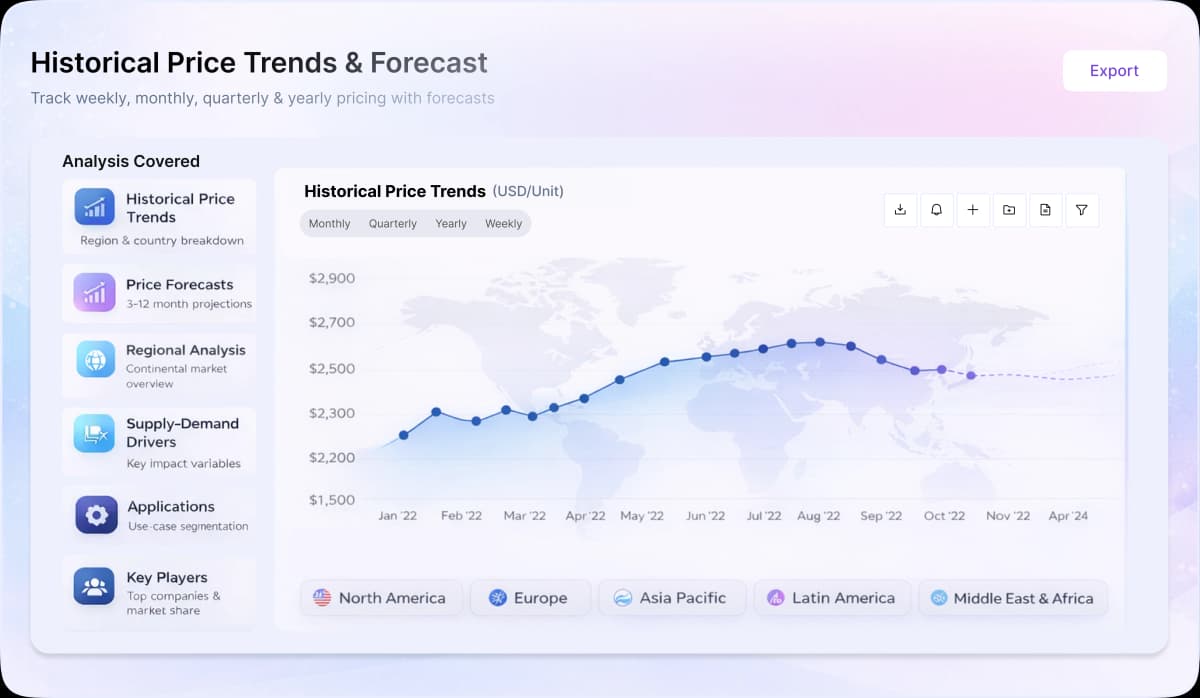
- Lithium carbonate prices showed a volatile but overall firm trend globally, driven by supply disruptions, policy-driven demand spikes, and later corrections.
- Feedstock pressure increased due to higher energy and freight costs from Middle East conflict, along with mining restrictions and supply disruptions.
- Downstream demand remained uneven, with strong export-led battery demand early, weak EV sales mid-quarter, and strong energy storage growth later.
Asia
Lithium carbonate prices in China rose sharply early in Q1’26 due to a surge in battery exports ahead of tax rebate reductions, which led to higher production and aggressive raw material procurement. Supply remained tight due to stricter mining regulations in Jiangxi, potential mine shutdowns, reduced long-term contract deliveries, and low inventory levels, which led to price increases. Prices corrected mid-quarter as new energy vehicle sales dropped sharply, reducing battery demand and weakening market confidence.
Later, supply improved with resumed domestic production and increased imports from South America and Australia, while rising natural gas and shipping costs due to the Middle East conflict increased production expenses, stabilizing prices. One key production trend observed was the strong expansion in China’s lithium carbonate output, supported by increased capacity and higher operating rates.
Europe
In Europe, lithium carbonate prices remained firm with fluctuations due to higher import costs and supply uncertainty. Rising crude oil and natural gas prices increased processing costs, while higher freight charges and longer shipping routes raised import prices, which led to price increases. However, weak automotive demand limited buying interest, restricting further price gains. The region’s reliance on imported lithium made it sensitive to disruptions caused by rising logistics costs and supply chain instability.
North America
In North America, lithium carbonate prices followed a firm but fluctuating trend. Higher energy costs increased processing expenses, while rising freight rates and longer shipping times increased landed costs, which supported prices. Demand from electric vehicles remained inconsistent due to fluctuating sales, while strong growth in energy storage applications supported consumption. Dependence on imported lithium kept the market exposed to supply disruptions and logistics challenges, which led to price fluctuations.