

Udeesha Tomar
AVP - Strategy and Solutions
Leading procurement research solutions across chemicals, materials, and food & beverages, with expertise in price forecasting and market analytics.

| Product | Region | Incoterm Basis | Price | Last Updated Month |
|---|---|---|---|---|
| Neopentyl Glycol | China | SPOT | USD 1,390.00/MT | September 2026 |
| Neopentyl Glycol | China | SPOT | USD 1,340.00/MT | August 2026 |
Stay updated with the latest Neopentyl Glycol prices, historical data, and tailored regional analysis
Neopentyl glycol markets followed a stable-to-soft trajectory through H1 2026, with balanced availability and cautious buying activity preventing a sustained price recovery. In Asia, particularly China, downstream buyers maintained conservative procurement strategies amid subdued demand from coatings and resin manufacturers, keeping spot-market activity relatively restrained. Softer upstream isobutyraldehyde economics further reduced production-cost support and limited producers' ability to push through higher quotations.
In North America, NPG demand remained supported by automotive coatings, powder coatings and polyester resin applications, but purchasing was largely aligned with immediate consumption requirements rather than speculative stock building. European markets similarly faced subdued industrial demand, while elevated operating and logistics costs provided some offsetting support to producer margins. Across major consuming regions, the absence of a strong demand catalyst kept the market relatively balanced, with feedstock movements exerting greater influence on short-term price direction than downstream consumption. Overall, NPG values remained under mild downward pressure during the first half.
Analyst Insight
According to Procurement Resource, neopentyl glycol values are expected to remain broadly range bound as adequate availability and softer feedstock costs limit upside potential, although firmer coatings demand could provide support later in 2026.
Related Report
Need Latest Neopentyl Glycol Prices?
Get real-time price assessments, periodic trends, forecasts and price driver insights across key global markets.
Our Clients






























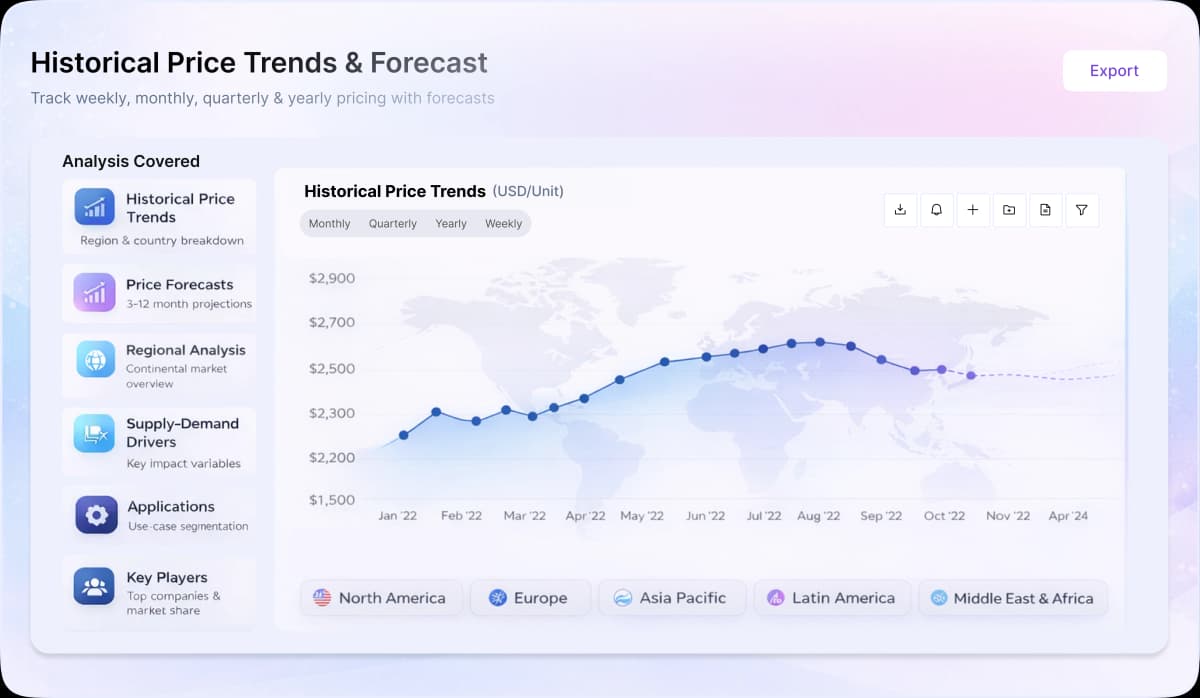
Turn price intelligence into action with the Procurement Resource Database. Log in or subscribe to unlock live price trends, historical charts, supplier databases, cost curves, and analyst-backed insights across chemicals, agriculture, energy, packaging, and more. Use these tools to benchmark your contracts, plan budgets with confidence, and stay ahead of market moves on every product you buy.
0
+Products
0
+Regions
0
+Subscriptions
Asia
In 2025, Neopentyl Glycol prices in Asia remained relatively stable during the first half of the year, with slight fluctuations driven by seasonal demand changes. Early in the year, prices dipped briefly due to slower activity in construction and automotive sectors. However, demand gradually improved from the second quarter as downstream industries, particularly resins and coatings, increased procurement. Regional supply constraints were moderate, and overall market sentiment stayed balanced. In the second half of the year, prices softened slightly as increased imports and easing supply pressures helped stabilize the market. Overall, the Asian market saw moderate price movements, with periods of mild increases offset by occasional slowdowns in demand.
Europe
European Neopentyl Glycol prices showed an upward trend in early 2025, primarily due to supply tightness and strong demand from resins and industrial coatings. Production issues and logistical bottlenecks created temporary shortages, pushing prices higher. By mid-year, while some supply disruptions eased, costs remained elevated, supporting firm pricing. In the second half, prices gradually softened as downstream demand slowed in construction and automotive sectors, while competition from imports kept the market in check. Overall, the European market experienced early bullish trends followed by a stabilizing period in the latter part of the year.
North America
In North America, Neopentyl Glycol prices increased steadily in the first half of 2025. Limited supply from domestic production and occasional plant shutdowns supported firm pricing. Industrial and automotive demand remained healthy, while weather and logistical disruptions temporarily constrained supply. In the second half of the year, prices showed minor declines as production stabilized and inventories recovered. Demand from downstream coatings and adhesives continued to support the market, though overall growth slowed toward the year-end.
2,2-dimethylpropane-1,3-diol also called Neopentyl glycol is an organic chemical compound. Polyesters, paints, lubricants, and plasticizers are synthesized using it. When employed in the production of polyesters, it increases the product's resistance to heat, light, and water. By esterifying fatty or carboxylic acids, synthetic lubricating esters having a lower oxidation or hydrolysis potential than natural esters may be synthesized.
C5H12O2
Paints & Coatings, Adhesives & Sealants, Lubricants, Plasticizers, Insulation Materials
2,2-Dimethylpropane-1,3-diol, 2,2-Dimethyl-1,3-propanediol
BASF SE, Eastman Chemical Company, MITSUBISHI GAS CHEMICAL COMPANY, INC, Wanhua Chemical Group Co., Ltd, OXEA GmbH, TCI Chemicals (India) Pvt. Ltd, LG Chem Ltd
CurrencyUS$ (Data can also be provided in local currency)
Supplier Database AvailabilityYes
Customization ScopeThe report can be customized as per the requirements of the customer
Post-Sale Analyst Support360-degree analyst support after report delivery
Note: Our supplier search experts can assist your procurement teams in compiling and validating a list of suppliers indicating they have products, services, and capabilities that meet your company's needs.
On commercial scale, NPG is manufactured through Aldol reaction, where two carbonyl compounds are joined to generate a product called Aldol. This produces the intermediate hydroxypivaldehyde, which can be transformed to neopentyl glycol by a Cannizzaro reaction with sufficient formaldehyde or via palladium on carbon hydrogenation.
Our Price Analysis Methodology
AVP - Strategy and Solutions
Leading procurement research solutions across chemicals, materials, and food & beverages, with expertise in price forecasting and market analytics.
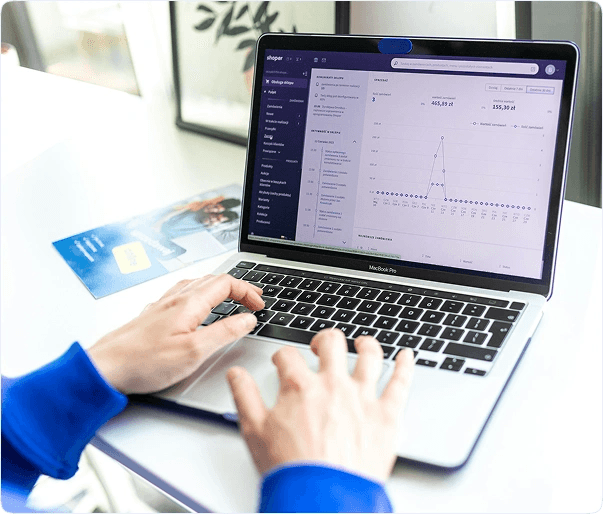
Experience how Procurement Resource transforms raw material price data into clear, decision ready intelligence. Optimise your performance with reliable, expert market data and analysis. Schedule your demo today to experience a live walk-through where our experts will showcase interactive price charts, forecasted prices, and insights driving the prices for your key commodities, tailored to your workflows. Contact us now!
Our Team will be happy to assist you
We are just a text away
Still Need Help?
Unlock full access to Procurement Resource's price databases, interactive charts, and short-term forecasts for thousands of commodities. Elevate your sourcing decisions by comparing prices across regions, downloading historical data, and layering in analyst-backed insights, all with our flexible plans that scale as your portfolio grows.
Still have any Questions
Contact Us



Price Trend Dashboard - What's Included
Price trends across a diverse portfolio of categories and products, spanning board to niche chemicals
Coverage extendable to grade-specific chemicals based on procurement requirements
Regular price tracking supported by robust historical datasets
News, policy updates, and key market drivers impacting price movements
Short-term and long-term price outlooks and forecasts
Supply–demand dynamics and capacity-driven market analysis

Track prices, market movements, supply-demand dynamics, and industry developments across hundreds of commodities through a centralized intelligence platform built for informed procurement decisions.

Understand market fluctuations using analyst-backed forecasts, historical pricing patterns, and evolving industry trends to strengthen sourcing strategies and budget planning.

Leverage cost models, pricing benchmarks, and procurement insights to evaluate purchasing opportunities, improve negotiations, and enhance operational efficiency.
Access region-specific price trends, trade activities, capacity changes, and supply chain developments influencing commodity markets worldwide.