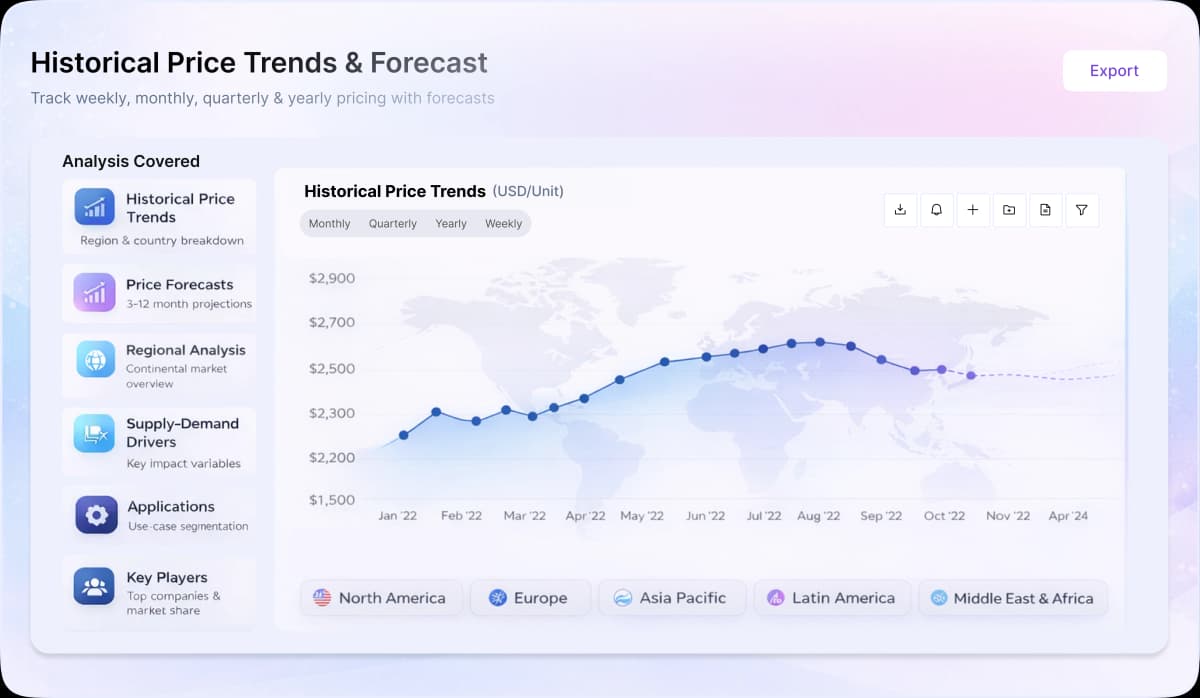
- Global NPK fertilizer markets strengthened sharply during Q1’26 as the Iran war and Strait of Hormuz disruption tightened global fertilizer trade flows, increased freight costs, and reduced nutrient availability across key importing regions.
- Feedstock pressure intensified after disruptions affected nearly 40–43% of global seaborne urea exports and over 40% of sulfur trade flows, significantly tightening nitrogen and phosphate supply conditions.
- Downstream agricultural demand remained strong due to spring planting activity, although elevated procurement costs and supply uncertainty forced buyers toward cautious and need-based purchasing strategies.
Asia
In Asia, NPK fertilizer markets strengthened considerably during Q1’26 as supply disruptions, export restrictions, and strong agricultural demand tightened regional availability. China accelerated fertilizer reserve releases at least 15 days earlier than usual to stabilize domestic supply during spring planting after shortages emerged across key agricultural provinces. Despite China’s urea production being projected at a record 76.5 million tons in 2026, export controls and logistics disruptions continued limiting regional supply flexibility. India remained highly exposed to Middle Eastern fertilizer flows because of its dependence on imported nutrients during peak agricultural procurement season. Rising freight, marine insurance, and sulfur costs linked to the Strait of Hormuz disruption further increased import expenses across Asian fertilizer markets.
Europe
European NPK fertilizer markets witnessed strong upward pressure during Q1’26 because elevated natural gas costs, constrained ammonia availability, and higher shipping expenses significantly increased production and import costs. Several ammonia cargo vessels remained stranded west of the Strait of Hormuz even after temporary reopening announcements, highlighting persistent logistical instability across fertilizer supply chains. Buyers across Europe focused primarily on securing essential nutrient volumes for spring planting amid tightening inventories and elevated procurement uncertainty.
North America
North American NPK fertilizer markets also strengthened sharply during Q1’26 as tightening import availability and rising nutrient costs pressured agricultural procurement activity. Fertilizer supplies available to US farmers were estimated to be nearly 25% below normal seasonal levels during spring planting, while nitrogen fertilizer prices increased around 40% since the beginning of the conflict. Higher freight expenses, reduced global nutrient availability, and uncertainty surrounding Middle Eastern supply routes further supported bullish market sentiment throughout the quarter.