

Udeesha Tomar
AVP - Strategy and Solutions
Leading procurement research solutions across chemicals, materials, and food & beverages, with expertise in price forecasting and market analytics.

Asia
In the first half of 2025, the PAC market in India showed an overall upward price movement despite initial fluctuations. January saw a dip due to slow offtake from key sectors like water treatment and paper, combined with lower raw material costs and ample stock levels. However, this downward pressure was short-lived.
From February onward, domestic demand picked up steadily, supported by ongoing infrastructure and sanitation programs such as "Har Ghar Jal." By March, a combination of tightening supply and firm demand, especially from water treatment and industrial users, led to more noticeable price gains. The adoption of advanced manufacturing technologies and increased production capacity by major players also helped stabilize supply during this phase. Overall, the second quarter continued this trend, with firm demand and logistical improvements sustaining moderate price strength.
Europe
During H1’25, the European PAC market experienced steady but moderate price increases. Demand remained strong from municipal water treatment and the pulp and paper sector, especially in Western Europe where regulatory requirements for water quality remained high. Although economic uncertainty persisted, investment in green infrastructure projects helped maintain demand.
On the supply side, manufacturers faced rising production costs due to high energy prices and environmental compliance burdens. Additionally, reduced imports from Asia created tighter supply conditions in the region. These factors combined to support a cautious but firm pricing trend throughout the half-year.
North America
In North America, the PAC market maintained stable price growth through the first half of 2025, supported by consistent demand from both municipal and industrial water treatment sectors. The U.S., as a major global consumer, led regional usage, especially under the influence of strict water safety and environmental regulations.
While production levels remained steady, manufacturers faced margin pressure due to rising costs of key raw materials like aluminium hydroxide and hydrochloric acid. Efforts to improve production efficiency and develop hybrid PAC formulations helped offset some of these challenges, keeping the market balanced.
Analyst Insight
According to Procurement Resource, Polyaluminium Chloride (PAC) prices are expected to remain firm in the near term, supported by stable demand, higher aluminium input costs, and sustained regulatory pressure on water treatment standards globally.
Related Report
Need Latest Polyaluminium Chloride Prices?
Get real-time price assessments, periodic trends, forecasts and price driver insights across key global markets.
Our Clients

























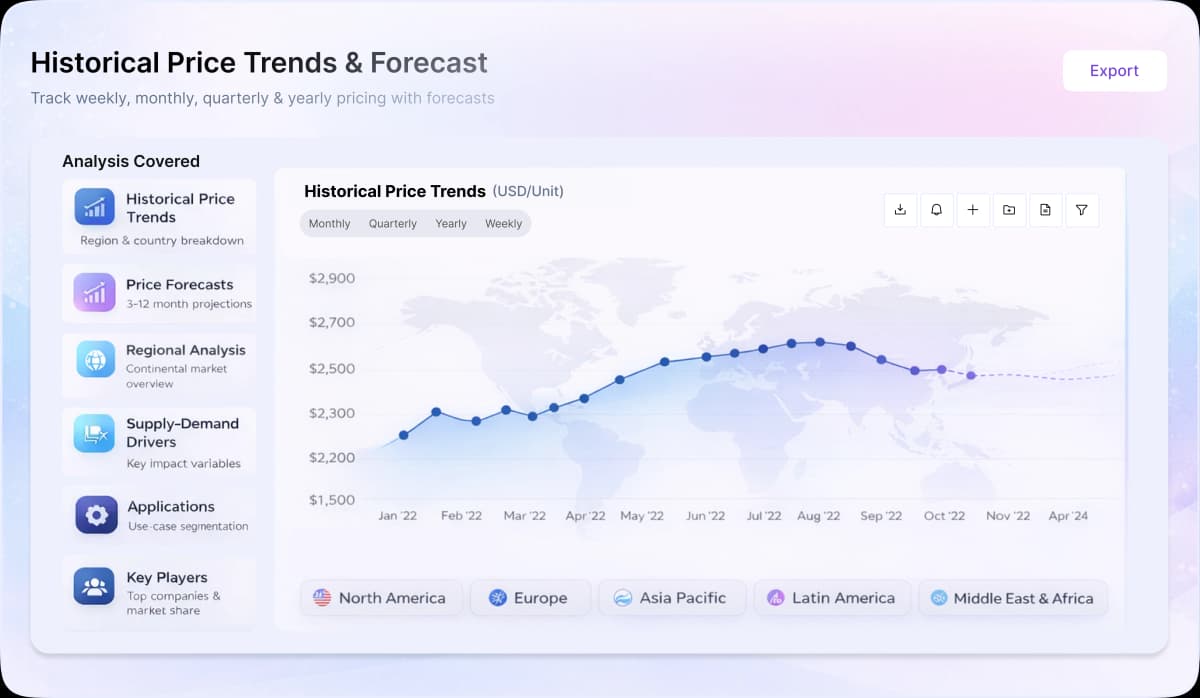
Turn price intelligence into action with the Procurement Resource Database. Log in or subscribe to unlock live price trends, historical charts, supplier databases, cost curves, and analyst-backed insights across chemicals, agriculture, energy, packaging, and more. Use these tools to benchmark your contracts, plan budgets with confidence, and stay ahead of market moves on every product you buy.
0
+Products
0
+Regions
0
+Subscriptions
Asia
In Asia, the Polyaluminium Chloride (PAC) market faced notable fluctuations during Q4’24. Rising raw material costs, particularly due to increasing aluminium prices and chlorine feedstock shortages, put upward pressure on prices in the region. In China, where most of the PAC production occurs, manufacturers experienced production challenges as raw material costs surged.
In response, several key producers, particularly in Shandong province, reduced their operating rates. This led to tighter supply conditions, especially in November. Despite these issues, demand for PAC remained relatively stable, driven by the water treatment sector and industrial applications. Towards the end of the quarter, softer downstream demand helped ease some of the price pressures, but the market remained volatile.
Europe
In Europe, the Polyaluminium Chloride market showed a more stable upward trend during Q4’24. The region benefited from steady demand from key sectors, including water treatment, where PAC is widely used. However, the market faced cost pressures due to higher energy prices and tight supply chains. European producers dealt with production hurdles, which were compounded by reduced imports from Asia. As a result, supply remained tight, contributing to price increases throughout the quarter. The market showed heightened activity in early November, with strong demand supporting price stability. By December, however, activity slowed down slightly as industry players adjusted to the end-of-year economic uncertainties, though prices continued to trend upwards due to cost pressures.
North America
In North America, the PAC market demonstrated relative stability throughout Q4’24, with prices following the global aluminium cost trend. Regional manufacturers maintained steady production levels, although they faced similar challenges related to rising raw material costs. The water treatment industry, a major consumer of PAC, remained a key driver of demand. Other industrial applications showed mixed performance, which led to cautious trading behavior among buyers. Many kept minimal inventories, responding to uncertainties in the global market. While the market saw some price increases due to global aluminium price trends, these were somewhat moderated by stable supply conditions and slower demand growth in certain sectors.
Polyaluminium Chloride is a water chemical composed of aluminium, oxygen, hydrogen, and chlorine. It is a yellow-colored, water-soluble solid. Polyaluminium Chloride (PAC) 28 percent and Polyaluminium Chloride (PAC) 30 percent are the two forms of the chemical. This chemical has many industrial applications, but it is most commonly used in the flocculation processes used in water treatment industries.
Al2Cl(OH)5
Water Treatment, Coagulant, Cosmetic and Personal Care
Aluminum chlorohydrate, Aluminum chlorhydroxide, Aluminum chloride basic, Aluminum hydroxychloride
Kemira Oyj, Grasim, Central Glass Co., Ltd., USALCO, GACL, Henan Aierfuke Chemicals Co. Ltd, Lvyuan Chem
CurrencyUS$ (Data can also be provided in local currency)
Supplier Database AvailabilityYes
Customization ScopeThe report can be customized as per the requirements of the customer
Post-Sale Analyst Support360-degree analyst support after report delivery
Note: Our supplier search experts can assist your procurement teams in compiling and validating a list of suppliers indicating they have products, services, and capabilities that meet your company's needs.
Aluminum hydroxide is added to sulfuric acid and hydrochloric acid inside a reactor during this process. The calcium carbonate is then used to neutralise the acid. As a byproduct of this process, gypsum crystals are produced.
Our Price Analysis Methodology
AVP - Strategy and Solutions
Leading procurement research solutions across chemicals, materials, and food & beverages, with expertise in price forecasting and market analytics.
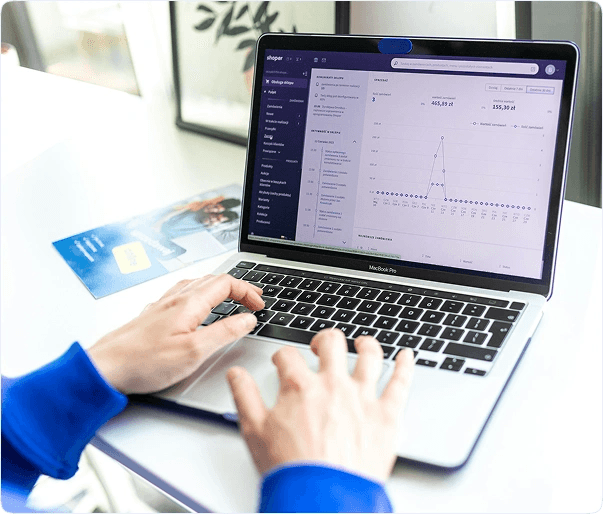
Experience how Procurement Resource transforms raw material price data into clear, decision ready intelligence. Optimise your performance with reliable, expert market data and analysis. Schedule your demo today to experience a live walk-through where our experts will showcase interactive price charts, forecasted prices, and insights driving the prices for your key commodities, tailored to your workflows. Contact us now!
Our Team will be happy to assist you
We are just a text away
Still Need Help?
Unlock full access to Procurement Resource's price databases, interactive charts, and short-term forecasts for thousands of commodities. Elevate your sourcing decisions by comparing prices across regions, downloading historical data, and layering in analyst-backed insights, all with our flexible plans that scale as your portfolio grows.
Still have any Questions
Contact Us



Price Trend Dashboard - What's Included
Price trends across a diverse portfolio of categories and products, spanning board to niche chemicals
Coverage extendable to grade-specific chemicals based on procurement requirements
Regular price tracking supported by robust historical datasets
News, policy updates, and key market drivers impacting price movements
Short-term and long-term price outlooks and forecasts
Supply–demand dynamics and capacity-driven market analysis

Track prices, market movements, supply-demand dynamics, and industry developments across hundreds of commodities through a centralized intelligence platform built for informed procurement decisions.

Understand market fluctuations using analyst-backed forecasts, historical pricing patterns, and evolving industry trends to strengthen sourcing strategies and budget planning.

Leverage cost models, pricing benchmarks, and procurement insights to evaluate purchasing opportunities, improve negotiations, and enhance operational efficiency.
Access region-specific price trends, trade activities, capacity changes, and supply chain developments influencing commodity markets worldwide.