Asia
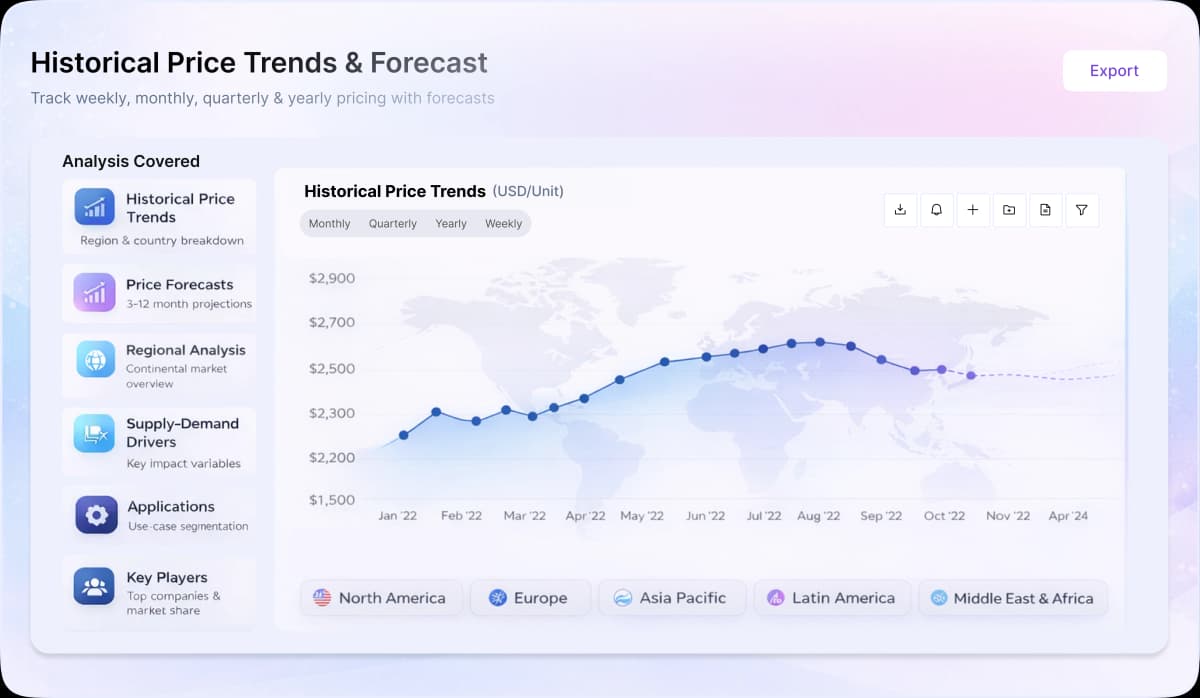
In the second half of 2024, the Polybutylene Succinate (PBS) market in Asia showed a mixed trend. During Q3, demand remained steady, particularly from the cosmetics and personal care sectors, which boosted succinic acid consumption—a key feedstock for PBS. The beginning of the quarter saw price support due to limited feedstock supplies and firm demand.
However, by Q4, prices faced downward pressure as supply stabilized and feedstock availability improved. Despite consistent demand in niche sectors like skincare and coatings, overall industrial consumption remained moderate, especially in food and pharma. Rising inventory levels and limited growth in exports, especially to Russia and the West, contributed to the price softening toward the end of the year.
Europe
PBS prices in Europe trended downward throughout H2’24. In Q3, prices initially rose due to tight supply and high demand from the pharmaceutical and beauty sectors. Seasonal factors, including summer labor shortages and low production rates, added to the strain. But by Q4, supply conditions normalized, inventories grew, and downstream demand weakened.
The food and construction sectors, key consumers of PBS through packaging and biodegradable materials, reduced intake amid a broader slowdown in manufacturing. Logistics disruptions and rising costs further affected market sentiment. These factors combined to create a persistent bearish trend in the region’s PBS market.
North America
The PBS market in North America saw fluctuations in H2’24. In Q3, prices rose steadily, driven by firm succinic acid demand and tight supplies due to hurricane-related disruptions. Inventory buildup in anticipation of feedstock cost increases also supported prices.
However, Q4 saw a clear reversal. As succinic acid prices fell due to improved supply and limited offtake from key industries, PBS prices also declined. While cosmetics and coatings maintained some demand, slower activity in food and packaging limited any significant upward momentum.