Rapeseed Price Trend Analysis 2026: Latest News, Historical Prices, Supply Demand Analysis, Price Drivers & Market Insights

Neha Gawande profile photo
Written ByNeha Gawande

Procurement Resource Database

Laptop screen

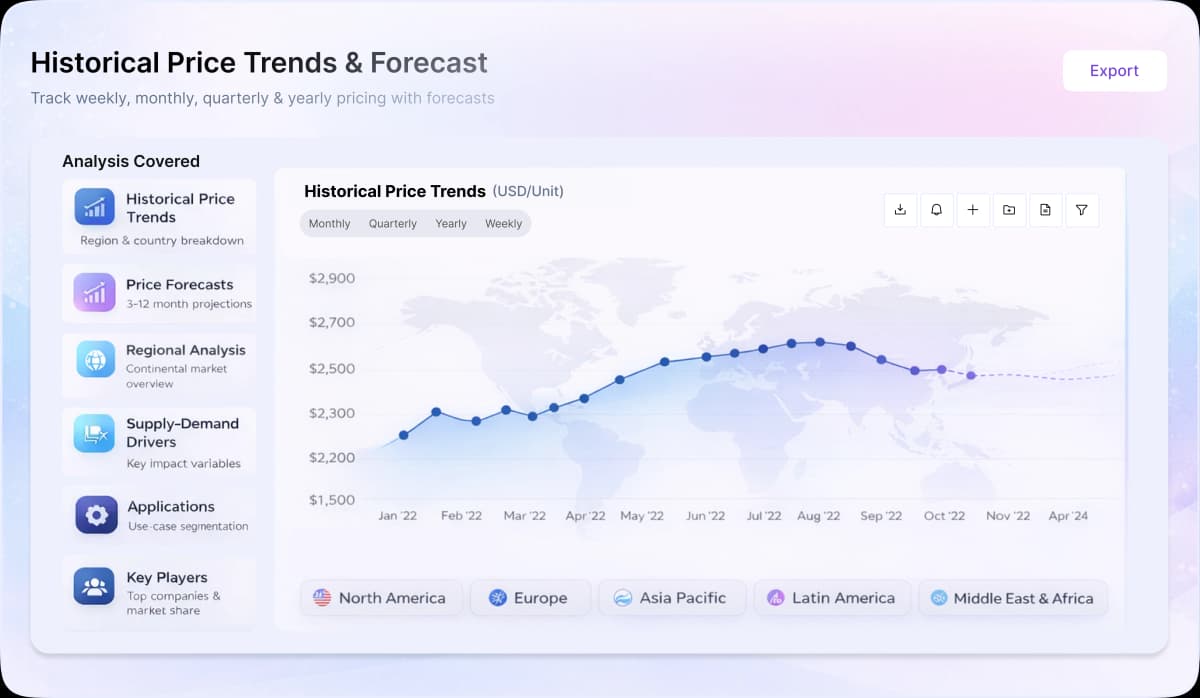
Turn price intelligence into action with the Procurement Resource Database. Log in or subscribe to unlock live price trends, historical charts, supplier databases, cost curves, and analyst-backed insights across chemicals, agriculture, energy, packaging, and more. Use these tools to benchmark your contracts, plan budgets with confidence, and stay ahead of market moves on every product you buy.

Rapeseed Dashboard Inclusions

Rapeseed Price Dasboard

0

+

Products

0

+

Regions

0

+

Subscriptions

During the third quarter of 2025, rapeseed prices experienced mixed movements across all major markets, influenced by shifting trade policies, varying harvest outcomes, and changing import dynamics. Early in the quarter, market sentiment remained cautious as European production expectations stayed strong. Larger-than-anticipated harvests in key producing countries, particularly in Germany, increased overall supply availability and exerted downward pressure on prices.

Midway through the period, trade developments significantly shaped market direction. China’s announcement of new tariffs on Canadian rapeseed imports altered global trade flows. Anticipation of redirected Canadian supplies toward Europe contributed to brief price gains on Euronext. Meanwhile, the potential resumption of Chinese purchases from Australia raised uncertainty for EU buyers, who faced heightened competition for Australian-origin seed.

Despite these developments, ample domestic output across the European Union limited any sustained upward movement. Toward the end of the quarter, prices stabilized as markets digested the interplay between trade reorientation and abundant supply. Buyers remained cautious, focusing on procurement aligned with immediate needs rather than speculative accumulation.

About Rapeseed

In appearance, Rapeseed is a bright-yellow flowering member of the Brassicaceae family (mustard or cabbage family). It is cultivated primarily for its oil-rich seed, that is naturally composed of appreciable amounts of toxic erucic acid. Rapeseed is the 3rd-largest source of vegetable oil and the 2nd-largest source of protein meal in the world.

Rapeseed Product Detail

Synonyms

Brassica Napus

Industrial Uses

Animal feed, Edible vegetable oils, Biodiesel, Forage crop for honeybees., Soil fertiliser, Bio lubricant, Bio-medical applications

Supplier Database

Bunge Limited

Regional Coverage

Asia Pacific

China, India, Indonesia, Pakistan, Bangladesh, Japan, Philippines, Vietnam, Iran, Thailand, South Korea, Iraq, Saudi Arabia, Malaysia, Nepal, Taiwan, Sri Lanka, UAE, Israel, Hongkong, Singapore, Oman, Kuwait, Qatar, Australia, and New Zealand

Europe

Germany, France, United Kingdom, Italy,Spain, Russia, Turkey, Netherlands, Poland, Sweden, Belgium, Austria, Ireland Switzerland, Norway, Denmark, Romania, Finland, Czech Republic, Portugal and Greece

North America

United States and Canada

Latin America

Brazil, Mexico, Argentina, Columbia, Chile, Ecuador, and Peru

Africa

South Africa, Nigeria, Egypt, Algeria, Morocco

CurrencyUS$ (Data can also be provided in local currency)

Supplier Database AvailabilityYes

Customization ScopeThe report can be customized as per the requirements of the customer

Post-Sale Analyst Support360-degree analyst support after report delivery

Note: Our supplier search experts can assist your procurement teams in compiling and validating a list of suppliers indicating they have products, services, and capabilities that meet your company's needs.

Rapeseed Production Processes

  • Production of Rapeseed via Cultivation

Rapeseed is cultivated on a wide variety of well-drained soils. It usually prefers a pH somewhere between 5.5 and 8.3 that has a moderate tolerance of soil salinity.


About the Author

Neha Gawande profile photo

Neha Gawande

Senior Lead Analyst

Delivering procurement intelligence and commodity research across automotive, oil & gas, chemicals, aerospace, and energy, helping sourcing teams decode complex supply chain data to sharpen purchasing strategies and achieve sustainable cost outcomes.

Our Price Analysis Methodology

Schedule Demo

Schedule a demo

Experience how Procurement Resource transforms raw material price data into clear, decision ready intelligence. Optimise your performance with reliable, expert market data and analysis. Schedule your demo today to experience a live walk-through where our experts will showcase interactive price charts, forecasted prices, and insights driving the prices for your key commodities, tailored to your workflows. Contact us now!

Our Team will be happy to assist you

We are just a text away

+1

Still Need Help?

Europe & Africa

+44 7573 171117

[email protected]

USA & Canada

+1 307 363 1045

[email protected]

APAC

+91 8850629517

[email protected]

Other Related Reports

Aniseed Oil Production from Steam distillation

This report provides the cost structure of aniseed oil production by steam distillation method. In this process, steam is passed over the dried fruit of aniseed which vapourised the oil into the steam.

Glycerin Production from Plant and Animal Sources

The report involves the cost analysis of the production of Glycerin from plant and animal sources where it occurs in triglycerides, esters of glycerol with long-chain carboxylic acids.

Unlock full access to Procurement Resource's price databases, interactive charts, and short-term forecasts for thousands of commodities. Elevate your sourcing decisions by comparing prices across regions, downloading historical data, and layering in analyst-backed insights, all with our flexible plans that scale as your portfolio grows.

Still have any Questions

Contact Us
Mastercard
Wire
VISA
Stripe

Related News

View All

Why Procurement Database

Commodity Market Intelligence

Commodity Market Intelligence

Track prices, market movements, supply-demand dynamics, and industry developments across hundreds of commodities through a centralized intelligence platform built for informed procurement decisions.

Price Forecasts & Market Outlooks

Price Forecasts & Market Outlooks

Understand market fluctuations using analyst-backed forecasts, historical pricing patterns, and evolving industry trends to strengthen sourcing strategies and budget planning.

Cost & Procurement Optimization

Cost & Procurement Optimization

Leverage cost models, pricing benchmarks, and procurement insights to evaluate purchasing opportunities, improve negotiations, and enhance operational efficiency.

Global & Regional Market Insights

Global & Regional Market Insights

Access region-specific price trends, trade activities, capacity changes, and supply chain developments influencing commodity markets worldwide.

1/4