- Rhodium markets were on a rise in the early part of H1 2026 before correcting as weaker automotive demand and improving secondary supply changed market sentiment.
- Recycling availability increased as higher PGM values encouraged spent autocatalyst collection, reducing supply tightness and adding downward pressure later in the period.
- Autocatalyst demand weakened as electric-vehicle adoption increased, although stronger vehicle exports partly supported rhodium consumption in stricter-emission markets.
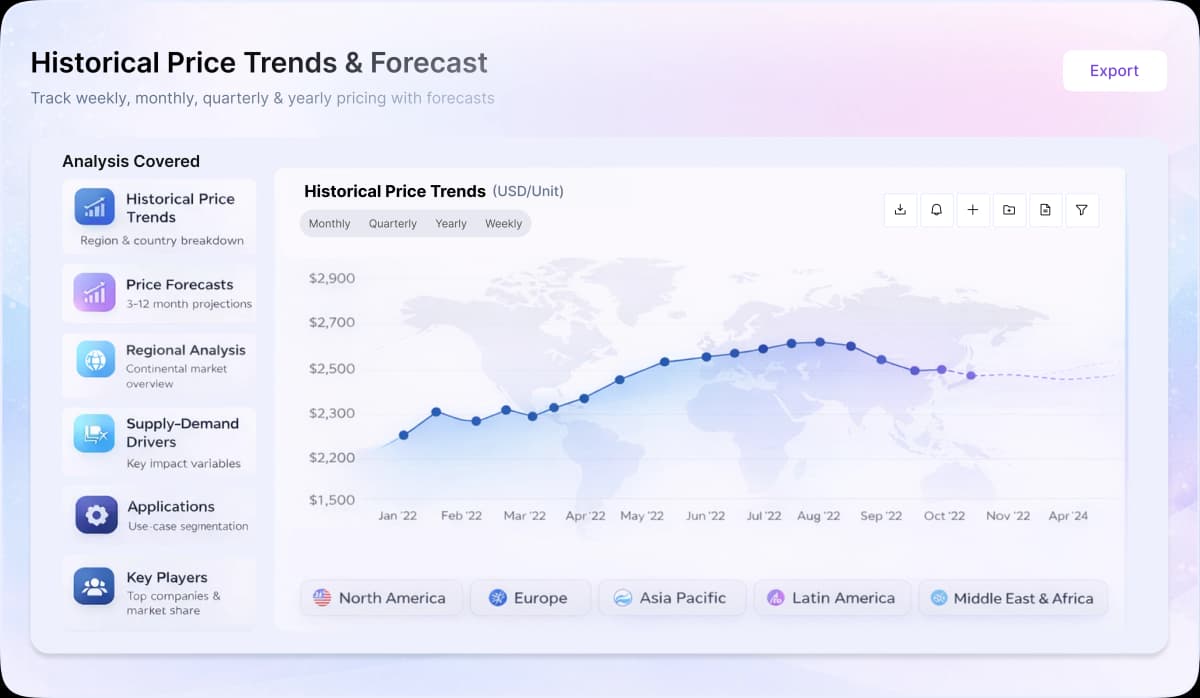
In China, the average Rhodium price declined from USD 321/gram (FOB) in April to USD 260/gram (FOB) in June, showing a 19.00% decrease. India recorded an average price of USD 321.01/gram (CIF) in April and USD 260.1/gram (CIF) in June, representing a 18.97% fall. During H1 2026, rhodium prices followed a fluctuating pattern, with the weakness emerging during Q2. Initially, the rhodium price curve displayed uptrend continuing the rising trend from the previous year. However, the prices started correcting in March. The downturn was mainly driven by weaker demand from gasoline-vehicle autocatalysts as China’s transition toward new-energy vehicles accelerated. Chinese new-energy vehicle output increased 17.8% year on year in May, reducing the long-term requirement for rhodium-intensive exhaust-treatment systems. Strong Chinese vehicle exports provided some offset because exported combustion-engine vehicles often require higher catalyst loadings to meet destination-market emission standards. Supply conditions also became less supportive as autocatalyst recycling improved and the global market moved closer to surplus expectations.
Analyst Insight
According to Procurement Resource, rhodium prices are expected to remain soft to stable as weaker combustion-engine demand and higher recycling availability outweigh support from export-oriented automotive consumption.