Saccharin Price Trend Analysis 2026: Historical Prices, Price Drivers, Market Insights, Latest News & Supply Demand Analysis

Pragati Agarwal profile photo
Written ByPragati Agarwal

Procurement Resource Database

Laptop screen

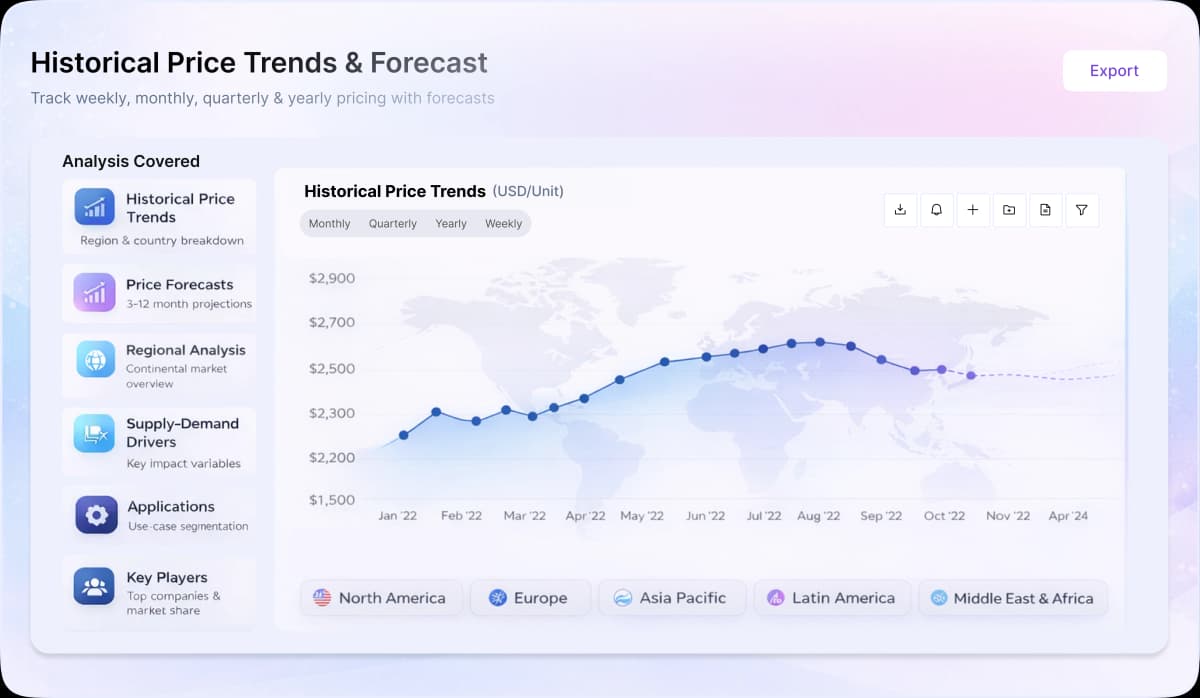
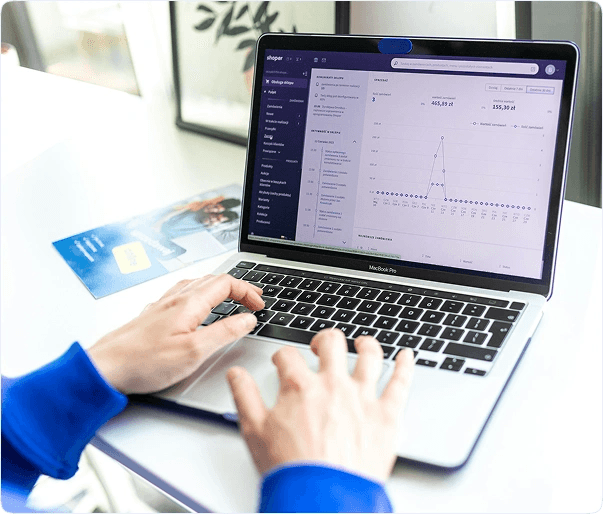
Turn price intelligence into action with the Procurement Resource Database. Log in or subscribe to unlock live price trends, historical charts, supplier databases, cost curves, and analyst-backed insights across chemicals, agriculture, energy, packaging, and more. Use these tools to benchmark your contracts, plan budgets with confidence, and stay ahead of market moves on every product you buy.

0

+

Products

0

+

Regions

0

+

Subscriptions

Asia

During the second half of 2025, saccharin prices in Asia followed a mixed and largely range-bound trajectory, influenced by fluctuations in toluene feedstock costs and moderate downstream demand. In the third quarter, prices exhibited a downward bias as easing toluene prices reduced production costs, prompting competitive offers from producers. Demand from the food, beverage, and pharmaceutical sectors remained steady but lacked strong momentum, with buyers limiting purchases to immediate requirements. In the fourth quarter, the market opened on a softer note due to further declines in feedstock costs and cautious consumption patterns. A brief recovery emerged mid-quarter as feedstock values stabilized and producers adjusted pricing upward. However, this improvement was not sustained, and prices softened again toward year-end amid balanced supply-demand conditions. Regional variations were observed, with India witnessing stronger mid-quarter demand-driven gains before stabilizing. Overall, the market remained cautious and largely range-bound.

Europe

In Europe, saccharin prices during H2 2025 reflected a similar pattern of mild decline followed by limited recovery. Q3 saw softening prices due to lower input costs and subdued demand from food, beverage, and pharmaceutical sectors, alongside competitive imports from Asia. In Q4, prices initially strengthened due to tighter supply and stable consumption, but this momentum faded as adequate supply and weakening downstream demand led to a gradual decline. Market sentiment remained cautious throughout.

North America

North American saccharin prices remained relatively stable in Q3, supported by balanced supply and steady demand from food processing and pharmaceutical applications. In Q4, prices followed a mixed trend, with early weaknesses, a brief recovery, and eventual stabilization, reflecting adequate inventories and conservative procurement strategies.


About Saccharin

Saccharin, also known as sodium saccharin is an organic, petroleum-based compound utilised as an artificial sweetener. It is about 300–400 times as sweet as sucrose although it has a bitter or metallic aftertaste, particularly at high concentrations. Saccharin is often utilised to sweeten products for example candies, beverages, cookies, and medicines.

Saccharin Product Detail

Chemical Formula

C7H5NO3S

Molecular Weight
183.19g/mol
Industrial Uses

Sweetener, Beverages and low-calorie foods, Pharmaceuticals, Toothpaste and dental hygiene products, Chemicals, Cosmetics, Agriculture, Adhesives

Synonyms

Sodium saccharin, Benzoic sulfimide, 1,1-dioxo-1,2-benzothiazol-3-one

Supplier Database

Kaifeng Xinghua Fine Chemical Ltd, Shanghai Merry Yang Enterprise Co. Ltd, Tianjin North Food Co. Ltd, Blue Circle Organics Pvt. Ltd, Vishnu Chemicals Limited, Organic Industries Pvt. Ltd, Salvi Chemicals

Regional Coverage

Asia Pacific

China, India, Indonesia, Pakistan, Bangladesh, Japan, Philippines, Vietnam, Iran, Thailand, South Korea, Iraq, Saudi Arabia, Malaysia, Nepal, Taiwan, Sri Lanka, UAE, Israel, Hongkong, Singapore, Oman, Kuwait, Qatar, Australia, and New Zealand

Europe

Germany, France, United Kingdom, Italy,Spain, Russia, Turkey, Netherlands, Poland, Sweden, Belgium, Austria, Ireland Switzerland, Norway, Denmark, Romania, Finland, Czech Republic, Portugal and Greece

North America

United States and Canada

Latin America

Brazil, Mexico, Argentina, Columbia, Chile, Ecuador, and Peru

Africa

South Africa, Nigeria, Egypt, Algeria, Morocco

CurrencyUS$ (Data can also be provided in local currency)

Supplier Database AvailabilityYes

Customization ScopeThe report can be customized as per the requirements of the customer

Post-Sale Analyst Support360-degree analyst support after report delivery

Note: Our supplier search experts can assist your procurement teams in compiling and validating a list of suppliers indicating they have products, services, and capabilities that meet your company's needs.

Saccharin Production Process

  • Production of Saccharin via Ramsen-Fahlberg Process; and via Maumee Process: In Maumee process, the methyl anthranilate reacts with nitrous acid, that is, sodium nitrite and hydrochloric acid, followed by the successive reactions with sulphur dioxide, chlorine, and then ammonia to finally produce Saccharin.

Methodology

The displayed pricing data is derived through weighted average purchase price, including contract and spot transactions at the specified locations unless otherwise stated. The information provided comes from the compilation and processing of commercial data officially reported for each nation (i.e. government agencies, external trade bodies, and industry publications).

Our Price Analysis Methodology

About the Author

Pragati Agarwal profile photo

Pragati Agarwal

Senior Business Insights Analyst

Delivering price trend analysis and procurement market insights at Procurement Resource, with expertise in identifying commodity patterns, supporting purchasing strategies, and improving cost efficiency through actionable market intelligence.

Schedule Demo

Schedule a demo

Experience how Procurement Resource transforms raw material price data into clear, decision ready intelligence. Optimise your performance with reliable, expert market data and analysis. Schedule your demo today to experience a live walk-through where our experts will showcase interactive price charts, forecasted prices, and insights driving the prices for your key commodities, tailored to your workflows. Contact us now!

Our Team will be happy to assist you

We are just a text away

+1

Still Need Help?

Europe & Africa

+44 7573 171117

[email protected]

USA & Canada

+1 307 363 1045

[email protected]

APAC

+91 8850629517

[email protected]

Other Related Reports

Saccharin Production from Maumee Process

The report deals with the economics of industrial production of saccharin by Maumee Process wherein phthalic anhydride is first converted to phthalimide which is then sulfonated to methyl anthranilate.

Saccharin Production from Remsen-Fahlberg Process

In this process o-toluene sulfonamide is oxidized with the aid of sulfuric acid and sodium dichromate dihydrate.

Unlock full access to Procurement Resource's price databases, interactive charts, and short-term forecasts for thousands of commodities. Elevate your sourcing decisions by comparing prices across regions, downloading historical data, and layering in analyst-backed insights, all with our flexible plans that scale as your portfolio grows.

Still have any Questions

Contact Us
Mastercard
Wire
VISA
Stripe

Related News

View All

Why Procurement Database

Commodity Market Intelligence

Commodity Market Intelligence

Track prices, market movements, supply-demand dynamics, and industry developments across hundreds of commodities through a centralized intelligence platform built for informed procurement decisions.

Price Forecasts & Market Outlooks

Price Forecasts & Market Outlooks

Understand market fluctuations using analyst-backed forecasts, historical pricing patterns, and evolving industry trends to strengthen sourcing strategies and budget planning.

Cost & Procurement Optimization

Cost & Procurement Optimization

Leverage cost models, pricing benchmarks, and procurement insights to evaluate purchasing opportunities, improve negotiations, and enhance operational efficiency.

Global & Regional Market Insights

Global & Regional Market Insights

Access region-specific price trends, trade activities, capacity changes, and supply chain developments influencing commodity markets worldwide.

1/4