

Udeesha Tomar
AVP - Strategy and Solutions
Leading procurement research solutions across chemicals, materials, and food & beverages, with expertise in price forecasting and market analytics.

| Product | Region | Incoterm Basis | Price (USD/MT) | Last Updated Month |
| Sodium Hypochlorite | China | FOB | USD 717/MT | January 2026 |
| Sodium Hypochlorite | India | CIF | USD 826/MT | January 2026 |
| Sodium Hypochlorite | USA | CIF | USD 802/MT | January 2026 |
| Sodium Hypochlorite | Germany | CIF | USD 839/MT | January 2026 |
| Sodium Hypochlorite | Japan | CIF | USD 759/MT | January 2026 |
Stay updated with the latest sodium hypochlorite prices, historical data, and tailored regional analysis
Asia
Sodium hypochlorite prices in China increased during Q2’26 as chlor-alkali supply constraints tightened upstream availability. Maintenance activities affected more than 9 million tonnes of caustic soda capacity reduced operating rates and limited chlorine availability, supporting firmer market conditions. Rising caustic soda prices during June added further cost pressure for producers. However, planned capacity additions in the chlor-alkali sector limited concerns over prolonged shortages. Demand from water treatment, disinfection, chemical processing and industrial users remained steady, while many non-alumina buyers continued purchasing only according to immediate requirements, restricting stronger price increases.
Europe
European sodium hypochlorite conditions remained comparatively balanced due to sufficient chlor-alkali availability. Chlorine production increased 3.9% month on month in April, while capacity utilisation improved, supporting feedstock availability for chlorine derivatives. Caustic soda inventories also remained higher than the previous year, reducing the likelihood of supply-driven price pressure. Market movements were influenced more by local production costs, logistics and contract conditions rather than broad raw-material shortages. Demand from water treatment, sanitation and industrial applications provided consistent support but did not create significant upward pressure.
North America
North American sodium hypochlorite demand remained supported by municipal water-treatment requirements and industrial disinfection applications. Local procurement patterns played an important role, as the product is commonly supplied through regional distribution networks due to storage limitations and degradation concerns. Municipal tenders showed significant variation between supplier offers, reflecting differences in logistics, service requirements and sourcing economics. Stable water-treatment consumption supported the market, while delivered pricing remained dependent on regional supply arrangements.
Analyst Insight
According to Procurement Resource, sodium hypochlorite prices are expected to remain stable to firm, with market direction depending on chlor-alkali operating rates, local inventories and water-treatment demand.
Related Report
Need Latest Sodium Hypochlorite Prices?
Get real-time price assessments, periodic trends, forecasts and price driver insights across key global markets.
Our Clients






























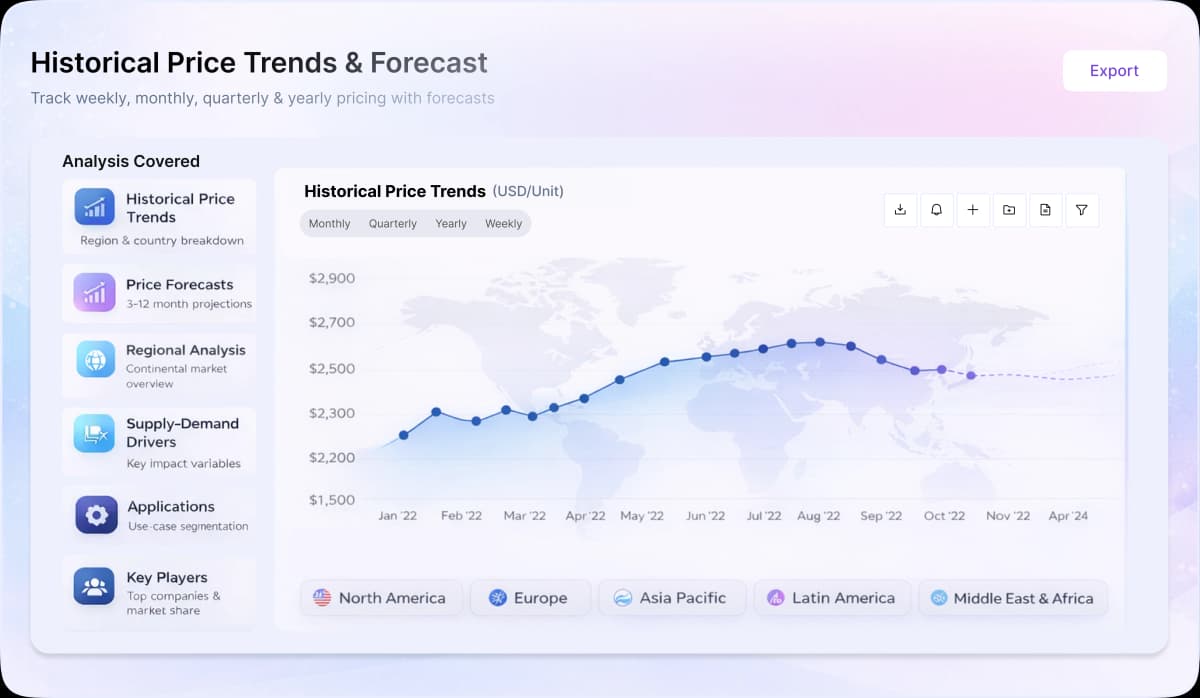
Turn price intelligence into action with the Procurement Resource Database. Log in or subscribe to unlock live price trends, historical charts, supplier databases, cost curves, and analyst-backed insights across chemicals, agriculture, energy, packaging, and more. Use these tools to benchmark your contracts, plan budgets with confidence, and stay ahead of market moves on every product you buy.
0
+Products
0
+Regions
0
+Subscriptions
Asia
In Asia, sodium hypochlorite prices remained relatively stable with mild upward movement toward the end of Q1’26. Upstream caustic soda prices increased by approximately ~0.69% from January to March in the Chinese region and approximately ~1.66% in India during the same period. The market remained soft in January due to ample supply and weak downstream demand, particularly from alumina and chemical sectors. post-holiday restocking and tighter inventories supported recovery during February and March. However, by the close of the quarter, rising energy costs and disruptions around the Strait of Hormuz increased production and transportation expenses, supporting regional sentiment
Europe
In Europe, sodium hypochlorite prices followed a firmer upward trend during the quarter. Upstream caustic soda prices increased by approximately ~27.5% from January to March due to elevated energy costs and tightening regional supply. Shipping disruptions linked to Middle East tensions increased freight costs and delayed cargo movement into Europe, while energy-intensive chlor-alkali production faced continued cost pressure. Demand from municipal water treatment, sanitation, and industrial disinfection sectors remained stable, allowing suppliers to pass through part of the increased operating costs.
North America
In North America, sodium hypochlorite prices remained comparatively stable with slight upward pressure toward March. Balanced supply-demand conditions dominated early-quarter market activity, while higher energy and transportation expenses later supported firmer pricing sentiment. Rising logistics costs and global shipping disruptions increased regional production costs, although steady downstream demand from water treatment, household bleach, and industrial sanitation sectors maintained overall market stability. Buyers continued focusing on short-term procurement strategies amid volatile global trade conditions.
Sodium Hypochlorite, a sodium salt of hypochlorous acid, is usually utilised as a disinfectant or a bleaching agent. Sodium Hypochlorite solutions are pale, greenish to yellow coloured liquids, which are commonly known as liquid bleach. This chemical resembles an odour of chlorine.
NaOCl
Laundry bleach, Bleaching agent (textile, detergents, and paper and pulp industries), Oxidising agent, Petrochemical industry, Disinfectant, Wastewater treatment, Surface purification and odour removal, Sanitary equipments
7681-52-9 (anhydrous), Antiformin, Hypochlorous acid, sodium salt, Sodium oxychloride, Dakin's solution (when diluted)
BASF SE, Acros Organics, Olin Corporation , AGC Inc.
CurrencyUS$ (Data can also be provided in local currency)
Supplier Database AvailabilityYes
Customization ScopeThe report can be customized as per the requirements of the customer
Post-Sale Analyst Support360-degree analyst support after report delivery
Note: Our supplier search experts can assist your procurement teams in compiling and validating a list of suppliers indicating they have products, services, and capabilities that meet your company's needs.
In this process, chlorine reacts with sodium hydroxide in a chlorination reaction to finally produce Sodium Hypochlorite as the end product.
Our Price Analysis Methodology
AVP - Strategy and Solutions
Leading procurement research solutions across chemicals, materials, and food & beverages, with expertise in price forecasting and market analytics.
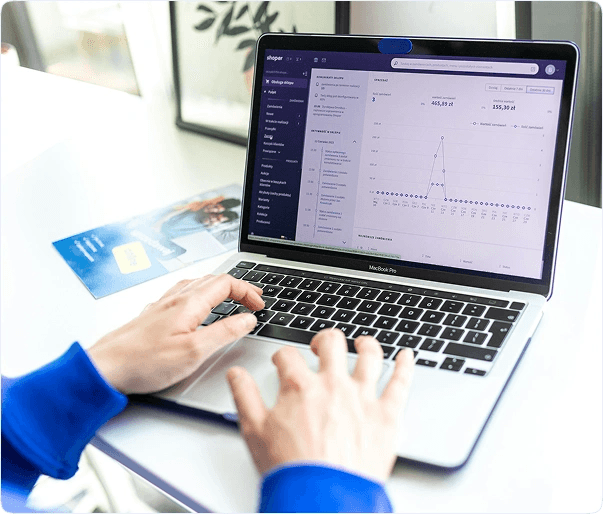
Experience how Procurement Resource transforms raw material price data into clear, decision ready intelligence. Optimise your performance with reliable, expert market data and analysis. Schedule your demo today to experience a live walk-through where our experts will showcase interactive price charts, forecasted prices, and insights driving the prices for your key commodities, tailored to your workflows. Contact us now!
Our Team will be happy to assist you
We are just a text away
Still Need Help?
Unlock full access to Procurement Resource's price databases, interactive charts, and short-term forecasts for thousands of commodities. Elevate your sourcing decisions by comparing prices across regions, downloading historical data, and layering in analyst-backed insights, all with our flexible plans that scale as your portfolio grows.
Still have any Questions
Contact Us



Price Trend Dashboard - What's Included
Price trends across a diverse portfolio of categories and products, spanning board to niche chemicals
Coverage extendable to grade-specific chemicals based on procurement requirements
Regular price tracking supported by robust historical datasets
News, policy updates, and key market drivers impacting price movements
Short-term and long-term price outlooks and forecasts
Supply–demand dynamics and capacity-driven market analysis

Track prices, market movements, supply-demand dynamics, and industry developments across hundreds of commodities through a centralized intelligence platform built for informed procurement decisions.

Understand market fluctuations using analyst-backed forecasts, historical pricing patterns, and evolving industry trends to strengthen sourcing strategies and budget planning.

Leverage cost models, pricing benchmarks, and procurement insights to evaluate purchasing opportunities, improve negotiations, and enhance operational efficiency.
Access region-specific price trends, trade activities, capacity changes, and supply chain developments influencing commodity markets worldwide.