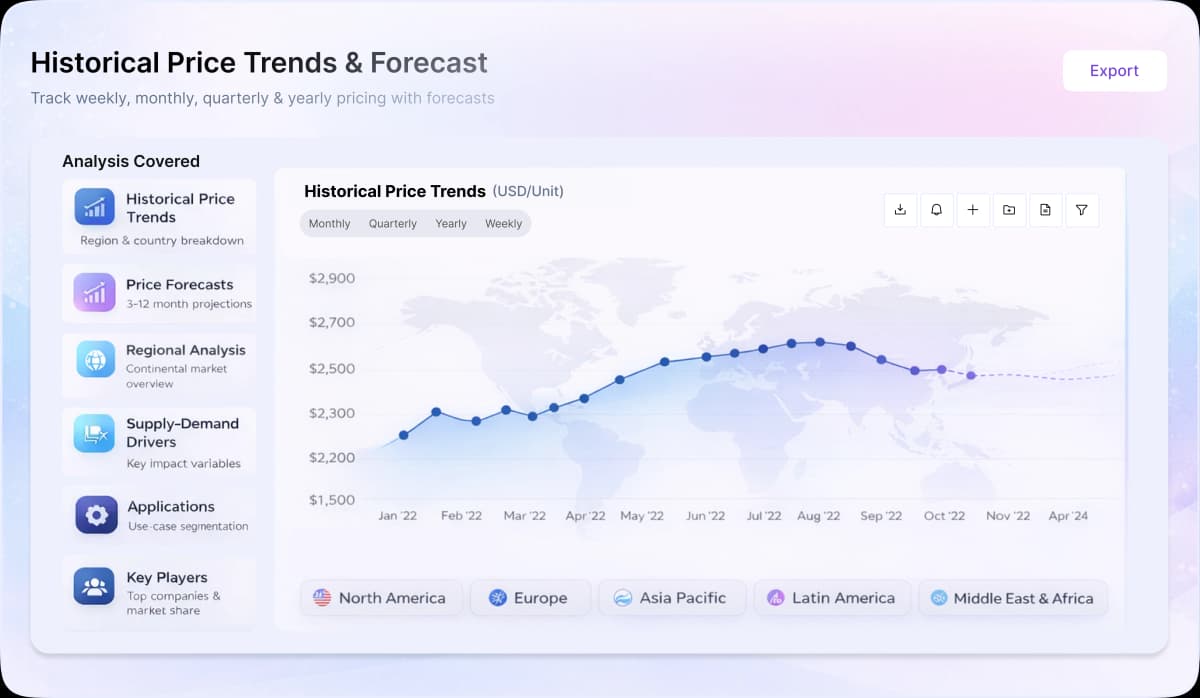
- Synthetic rubber prices moved on a strong upward trend in Q1’26, with volatility around the holiday period and sharper gains toward March driven by cost and supply factors.
- Feedstock pressure remained elevated as butadiene and styrene prices increased, supported by crude-linked cost escalation and supply disruptions.
- Downstream demand improved gradually, led by recovery in tire production and export activity, though buyers remained cautious in passing on higher costs.
Asia
In Asia, synthetic rubber prices followed a fluctuating but overall upward trend during Q1’26. In China, prices increased in January due to strong cost support from higher butadiene and styrene prices, along with improved tire plant operations ahead of the Spring Festival. After the holiday, demand recovery remained slow, and supply stayed sufficient, leading to softer prices in February. In March, the market strengthened sharply as feedstock costs rose due to geopolitical disruptions, tightening butadiene availability, and increasing production costs. At the same time, some plants reduced operating rates, and inventories remained low, further supporting prices. Demand also saw improved export activity, with tire export value reaching 26.2 billion RMB in January–February 2026, up 5.8% YoY, indicating steady global demand and supporting regional consumption.
Europe
Synthetic rubber prices in the Europe region showed an increasing trend for Q1'26 owing to the increase in upstream material costs and supply concerns. High energy and logistics prices contributed to higher production costs amid supply shortages of petrochemical feedstocks. Although the tire companies maintained stable demand, the buyers made their purchases only on a need basis. The conflict in Iran and the closure of the Strait of Hormuz in the final month of the quarter had an adverse impact on the European market. This led to increased logistical and insurance costs and caused a short-term supply shortage, which drove a sharp rise in rubber prices during the period.
North America
In Q1’26, the synthetic rubber market witnessed increasing prices amid high raw material costs and tight supply around the globe. Disruptions in logistics caused higher logistics prices and further contributed to the positive pricing dynamics. Automotive and tire segments saw steady demand growth, supporting the market. However, cautious procurement limited any significant rise in prices by the close of the quarter.