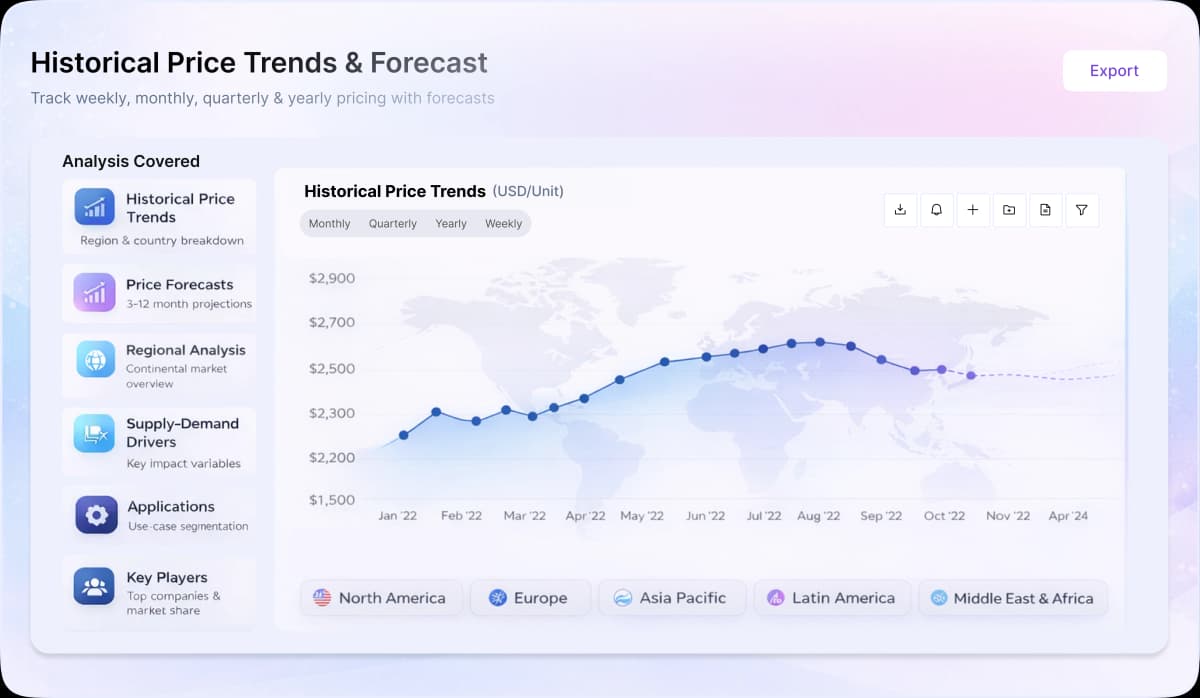
In Q3’25, white wine prices showed mixed movements influenced by global trade shifts, changing consumer preferences, and challenging weather conditions in key production regions.
One of the most noticeable trends was the growing demand for New Zealand white wines in China, especially Marlborough Sauvignon Blanc. Imports from New Zealand surged significantly, both in volume and value, as younger and more female Chinese consumers embraced lighter, fresher wine styles. These wines even started appearing at business banquets, which were traditionally dominated by red wines. This rising popularity helped keep prices of New Zealand white wines firm or slightly rising in Asian markets, especially as import volumes kept climbing month over month.
In contrast, European white wines, particularly from France, faced downward pressure due to weaker demand and trade complications. French wine producers in regions like Bergerac experienced an early and smaller harvest caused by heatwaves and drought, leading to concerns over supply shortages. Although grape quality was strong, the limited output may have pushed producers to hold firm on pricing or even increase it slightly. However, the ongoing slowdown in the fine wine market, with falling prices across premium segments, may have offset any sharp price hikes.
In the U.S. and other international markets, white wine prices were impacted by new tariffs. European wines became more expensive to import, which led to retailers adjusting their prices upward. Lower-end white wines, especially from Portugal and parts of France, faced declining demand due to affordability concerns.