Prakhar Panchbhaiya
Assistant Manager: Business Insights and Content
Supporting procurement teams with category intelligence, market research, price trends, supply-demand analysis, and strategic sourcing insights across key industries.
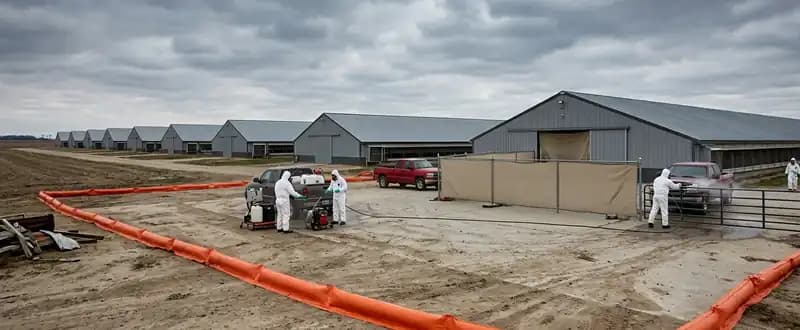
Australia’s egg supply chain is strengthening disease controls after H5N1 bird flu was confirmed in wild birds across Western Australia, South Australia and New South Wales. No H5N1 infection had been detected in commercial poultry when the report was published. The immediate concern is the possibility of the virus moving from wild birds into layer farms through direct contact, contaminated feed, water, clothing, vehicles or equipment.
Commercial poultry infection would require containment measures that could remove large numbers of laying hens from production. An affected farm could remain closed for several months while birds are culled, buildings are cleaned and replacement chickens are raised to laying age. An Australian business group warned that a severe commercial outbreak could push egg prices above A$10 per carton, though this remains a conditional estimate rather than a present market price.
Request the Latest Egg Prices Data - Access Price Insights Now
Australia’s recent experience with the H7 strain shows the possible production impact. Outbreaks during 2024 and 2025 required the destruction of about two million chickens and removed roughly 7% of the national egg-layer flock. The country contained those outbreaks, but the lost production still affected egg availability and pricing. H5N1 creates a wider control problem because more wild-bird and mammal species can carry the virus.
Large poultry operators and egg producers have started tightening farm access. Measures include restricting visitors, disinfecting vehicles and footwear, preventing wildlife from reaching feed or water and keeping free-range birds indoors where permitted. Australia’s response plan allows quarantine, movement controls, testing, culling, carcass disposal and farm decontamination. Compensation arrangements are intended to encourage producers to report suspected infection quickly.
Food manufacturers should treat this as a continuity risk rather than evidence of a current national egg shortage. Buyers can request weekly biosecurity updates from suppliers, map the production regions behind contracted volumes and qualify backup shell, liquid and frozen egg sources. Contracts should state how allocations will be handled if a farm or packing centre is quarantined. Bakeries, mayonnaise producers and prepared-food companies can also validate temporary recipe options before any supply interruption occurs. Early technical approval is more useful than searching for substitutes after flock losses have already reduced market availability.
Assistant Manager: Business Insights and Content
Supporting procurement teams with category intelligence, market research, price trends, supply-demand analysis, and strategic sourcing insights across key industries.

We are Just a Text away