- Sugar prices increased 6% to 7% during June.
- Maharashtra ex-mill values reached about Rs 41.5 per kilogram.
- Kolhapur tender prices rose to Rs 4,120 per quintal.
- Recent rain offered relief after heat and deficient rainfall.
- India’s export ban continues to restrict overseas movement.
Indian sugar buyers entered July with higher replacement costs after mill values increased by 6% to 7% during June. Delayed and below-normal rainfall raised concern about standing sugarcane, and demand recovered after the end of Adhik Maas, when festival and social-event consumption is usually lower. The combination tightened the near-term market before India’s larger festival buying period.
Ex-mill sugar values in Maharashtra rose to about Rs 41.5 per kilogram from Rs 38.5 one month earlier. Average tender prices in the Kolhapur market reached Rs 4,120 per quintal on July 7, compared with Rs 3,835 per quintal on June 7. These are mill-level values, so delivered costs for food manufacturers also include grade differences, loading, bags, finance and transport.
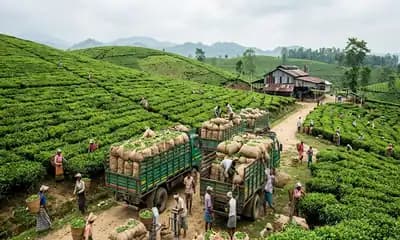
The weather risk relates to the next cane crop rather than an immediate loss of all available sugar. Prolonged heat and deficient rain had placed standing sugarcane under stress. Widespread rainfall reported in early July offered relief, but buyers still need to track whether rain continues across Maharashtra and other cane-growing regions. Short rain spells may support crop conditions without fully restoring soil moisture or yield expectations.
Request the Latest Sugar Prices Data - Access Price Insights Now
Government trade policy is also limiting supply flexibility. India banned sugar exports in May due to domestic availability concerns, festival-season requirements and uncertainty surrounding the effect of El Niño on the next production cycle. The restriction keeps more sugar within India, but it also signals that authorities are prioritising domestic stocks ahead of the coming demand period.
Beverage, confectionery, dairy and bakery companies should compare contract coverage with confirmed production schedules through the festival quarter. Buyers relying mainly on monthly tenders face greater exposure if mill offers rise further. Fixing part of the requirement can protect operating budgets, with the remaining volume linked to later tender dates if rainfall improves crop expectations.
Purchasers should compare the same sugar grade and delivery point when evaluating offers. A low ex-mill quote can lose its advantage after freight from a distant producing region is included. Storage also needs care because monsoon humidity can cause caking and quality loss. Extra inventory should be tied to consumption forecasts rather than held only because further price increases are expected.