- USDA projects 2026-27 corn output at 16.0 billion bushels, down 6%.
- Planted area falls to 95.3 million acres with yield set at 183.0 bushels.
- Season-average farm price rises 25 cents to $4.40 per bushel.
- Global corn ending stocks hit the lowest level since 2013-14.
- Futures held near $4.50 as trade uncertainty offset the tighter outlook.
The US corn market entered the final week of May 2026 with futures hovering near three-week lows around $4.50 per bushel, held back by uncertainty over global trade and geopolitical developments even as the supply outlook tightened. The US Department of Agriculture, in its first full projection for the new crop, pegged 2026-27 corn production at 16.0 billion bushels, down 6% from last year's record on lower planted area and a reduced yield assumption.
Planted area came in at 95.3 million acres, down 3.5 million from the prior year, while the yield projection of 183.0 bushels per acre reflects a weather-adjusted trend that assumes normal planting progress and a typical summer growing season. Total corn supplies were seen falling 2% to 18.1 billion bushels. On the demand side, total use for 2026-27 is forecast to drop 2%, with feed and residual use cut by 100 million bushels to 6.1 billion on higher prices and lower production, food, seed and industrial use flat at 6.955 billion bushels, and exports down 150 million bushels to 3.15 billion. The season-average farm price was raised by 25 cents to $4.40 per bushel.
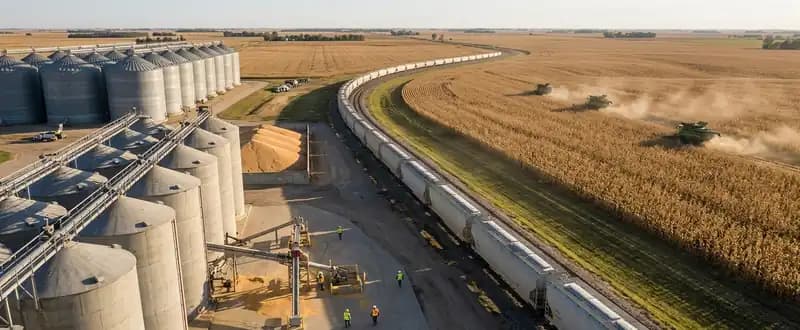
Field work supported a steadier tone. By mid-May, corn planting had passed the halfway mark, and early-season moisture pointed toward favorable yield prospects, which kept a lid on prices even as the balance sheet tightened. Globally, the picture is firmer. World corn ending stocks were projected at 277.5 million tons, the lowest since the 2013-14 season, which leaves thinner cover for importers and reduces the cushion against any weather or logistics shock during the year ahead.
Request the Latest Corn Prices Data - Access Price Insights Now
For buyers, the combination of a smaller crop, a higher farm price and the tightest global stocks in more than a decade argues for forward planning rather than waiting. Feed compounders, ethanol producers, wet millers and food ingredient makers all face the prospect of higher input costs if summer weather disappoints. At the same time, good early planting progress and ample moisture create genuine two-way risk, since a strong finish to the crop could pull prices back down.
The practical approach is to layer purchases. Locking part of forward needs protects against a weather-driven rally, while leaving room to buy more cheaply if yields hold. Watching crop progress reports, weekly export sales and any shift in trade policy with major buyers such as China will help time the remaining coverage. With global stocks this tight, the market has limited tolerance for production setbacks, so price spikes can develop quickly if the weather turns.