Udeesha Tomar
AVP - Strategy and Solutions
Leading procurement research solutions across chemicals, materials, and food & beverages, with expertise in price forecasting and market analytics.

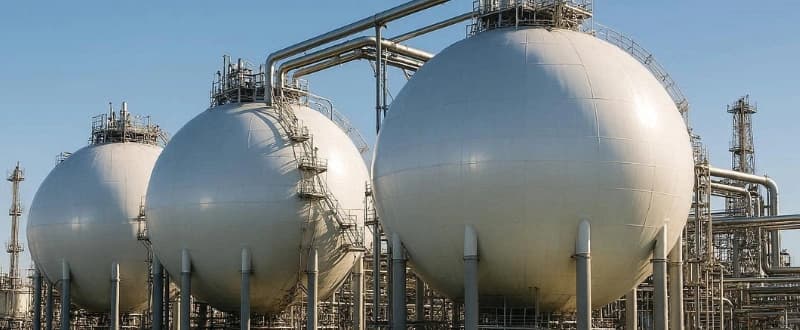
Gas shortages linked to the escalating conflict in the Middle East have begun affecting industrial activity in Gujarat after Gujarat Gas Ltd announced restrictions on gas supplies to industrial consumers. The company said a sharp drop in the availability of re-gasified liquefied natural gas had forced it to limit supplies to industries starting March 6. The restrictions follow growing disruptions in global LNG shipments as tensions in the Gulf region continue to intensify.
In a filing to stock exchanges, Gujarat Gas said the decline in LNG availability had compelled it to invoke force majeure under its gas supply agreements with industrial customers. The company reduced the daily contracted gas quantity available to industries, citing the extraordinary circumstances caused by the ongoing conflict. It added that acts of war fall outside the coverage of its insurance policies, leaving it with limited options to maintain normal supply commitments.
The company noted that the overall impact of the disruption is still unfolding and cannot yet be fully measured. It said the situation remains fluid and that it is closely monitoring developments in global energy markets. Any significant updates or changes in supply conditions will be communicated to stock exchanges as the situation evolves.
The pressure on supplies followed a broader disruption in global LNG flows triggered by the escalating hostilities in the Middle East. Reports indicated that QatarEnergy halted production at its Ras Laffan LNG facility after drone attacks and declared force majeure on certain deliveries. Ras Laffan is one of the world’s largest LNG export hubs and plays a central role in supplying Asian markets.
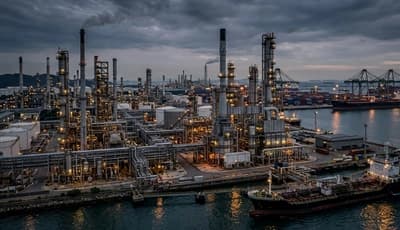
Shipping routes have also been affected. Tanker traffic through the Strait of Hormuz, a key passage for oil and gas exports from the Gulf, has faced disruption due to security concerns. The slowdown in vessel movement has increased freight costs and pushed global energy prices higher, tightening supply conditions for import-dependent countries.
India faces particular exposure to such disruptions because of its dependence on LNG imports from Qatar. The Gulf nation supplies close to forty percent of India’s LNG imports, which total roughly twenty seven million tonnes each year. A significant share of those volumes enters the country through long term contracts handled by companies such as Petronet LNG.
Petronet LNG has also reported difficulties linked to the situation. The company issued force majeure notices to its supplier QatarEnergy as well as domestic buyers including GAIL, Indian Oil Corporation, and Bharat Petroleum Corporation. Several LNG tankers were unable to reach the Ras Laffan port, disrupting scheduled cargo deliveries and affecting downstream distribution within India.
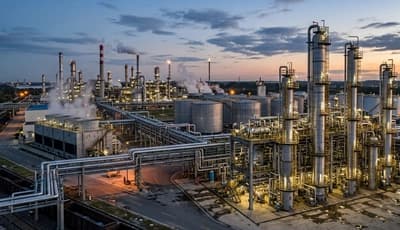
The supply reduction has already begun affecting multiple industrial clusters across Gujarat. Manufacturing sectors that rely heavily on piped natural gas have been particularly exposed. Ceramic, chemical, and textile industries use natural gas as a primary fuel for production processes, making steady supply essential for maintaining output.
Industrial estates around Ahmedabad have reported noticeable reductions in supply. The Vatva industrial estate, home to roughly two hundred and fifty chemical units, depends heavily on piped natural gas for production. Industry sources said supplies there have fallen to about forty percent of contracted volumes. Many factories have scaled back operations while attempting to manage rising fuel costs.
Companies exceeding the reduced quota are facing steep price increases. Additional gas consumption beyond the restricted limit is reportedly being charged at nearly double the regular rate. For many units this pricing makes continued full scale production economically difficult, pushing them to lower operating levels.
Industrial units in the Sanand GIDC area have also received notices about reduced supply allocations. Many factories there are expected to receive only around half of their contracted gas volumes. The reduction may slow production schedules and affect delivery timelines for existing orders.
Read More About Liquefied Natural Gas Production Cost Reports - Get Free Sample Copy in PDF
Concerns are also growing in Surat, where industries such as chemicals, textiles, and food processing rely on natural gas as their main source of energy. Local industry leaders warned that prolonged supply restrictions could raise production costs and potentially lead to temporary shutdowns if the situation does not improve soon.
Gujarat Gas supplies more than one lakh cubic metres of gas each day to industrial consumers in Surat alone. Any prolonged restriction in these volumes could create pressure across the city’s manufacturing ecosystem. Businesses in the region are now watching developments in global energy markets closely, hoping that LNG supply routes stabilise and cargo shipments resume normal operations.
Industry groups say the timeline for recovery remains uncertain. Much will depend on whether tanker movement through the Strait of Hormuz returns to normal and whether LNG exports from Qatar resume without further disruption. Until then, companies across Gujarat are preparing for continued supply constraints and adjusting operations accordingly.
AVP - Strategy and Solutions
Leading procurement research solutions across chemicals, materials, and food & beverages, with expertise in price forecasting and market analytics.


We are Just a Text away