Production Of Ammonia In The EU Still Restricted As The Prices Of Gas Fall
Producers of ammonia in Europe do not have much response to the waning prices of European gas; however, that dynamic might change if the prices of gas drop further and the following season for planting evokes stronger fertiliser demand.
Several ammonia plants in Europe shrank their production last year following the invasion by Russia in Ukraine, and ensuing problems with Nord Stream led the prices of gas to surge to an all-time high, and there is yet little incentive to work up output.
Request Access For Regular Price Update of Ammonia
Italy's Yara's Ferrara plant stayed closed; however, the company is looking to restart in February. Romania's Ameropa's Azomures plant is yet to disclose news regarding a restart, while Borealis' plants in Austria and France persist in running at lowered levels.
CF, a producer of fertiliser operating in the UK, shifted to importing ammonia in August. It will continue doing so having obtained many shipments during the month, while it was also pointed out by Borealis that the resumed imports of cheap feedstocks and adequate existing stocks at plants are factors influencing muted production of ammonia.
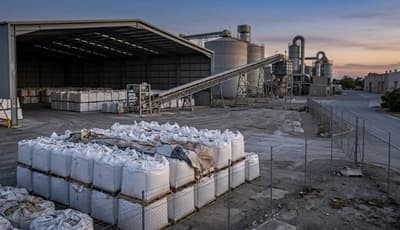
The rates of consumption for ammonia at facilities in northwest Europe stay sharply lower than capacity due to lower-than-average demand from the fertiliser and chemical sectors. Also, elevated levels of stock are reported all-over fundamental European ammonia import hubs since the majority of buyers procured requirements prior to the latest downturn in the pricing of gas. At Rotterdam and Antwerp, high levels of inventory created a backlog, with about 50,000t of ammonia remaining outside the port.
Affordable Gas Might Lead To The Profitable Production Of Ammonia
Prompt prices at the majority of the liquid gas hubs in Europe, the Dutch Title Transfer Facility (TTF), have gradually dipped through the last seven weeks as a temperate climate, restricted demand and imports of LNG stayed brief. As Europe closes in on the end of winter and projections indicate much more favourable weather, the direct challenge of a gas deficiency has decreased dramatically in current weeks.
The prices of gas in Europe also stay high over the benchmark prices in other significant gas production and consumption markets, including US, Russia, Iran, and Oman. Iran and Oman revved their exports of ammonia to Europe a year ago, and cheap regional prices offer producers of these nations a competitive edge owing to cheaper feedstocks.
Production costs of ammonia in Europe dropped below import prices during December-end and were calculated at USD 660/t for northwest European plants, without including the carbon costs. The prices for Northwest European imports are trading at USD 170/t above the production cost, at USD 830/t cfr duty-free.
Climatic Changes
As Europe ends its winter season with fairly full gas storages, it will likely lower the volume of companies required to replenish sites during the approaching summer, which might lead to relieving the risk premium priced into contracts to a greater extent along the curve.
Instantaneous lows all-over northwest Europe are likely to stay calm in February and also in March, which could restrict the demand for heating and call on storage. However, China curling down its Covid restrictions might stimulate Asian LNG demand leaving Europe under-supplied.
Last year, Chinese firms sold major amounts of LNG to Europe, aided by restricted regional demand, increasing domestic production and all-time high prices in Europe, creating immensely profitable arbitrages. With that being said, it was suggested that the demand for Chinese LNG might stay bearish since substitute fuels continue being cheaper and prices of electricity are too low to incentivise robust power-sector gas burn.
Read More About Ammonia Production Cost Reports - REQUEST FREE SAMPLE COPY IN PDF
At any rate, if the prices at the TTF curve hold or drop further since industry fundamentals hint, they might, producers of ammonia in Europe might gradually start ramping up domestic production, especially once the imported ammonia inventories are completely used and fresh planting season begins, which must bring revived fertilisers demand, which by far has remained sluggish.
According to Procurement Resource, the article states that ammonia production in the EU remains limited as gas prices fall. The producers in the EU do not know how to tackle the lowering prices of European gas; however, that dynamic might change if the prices of gas drop further and the following season for planting evokes stronger fertiliser demand. The consumption of ammonia stays low in northwest Europe due to lower-than-average demand from the fertiliser and chemical sectors.

.webp&w=3840&q=75)


.webp&w=1080&q=75)