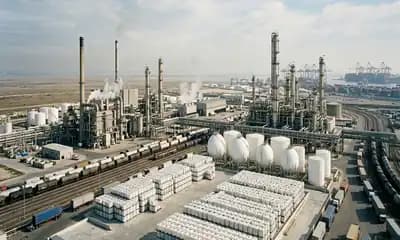
- Refined-fuel exports reached 1.53 million barrels per day.
- Shipments stood 27% above the preceding annual average.
- Strong diesel margins encouraged high refinery operations.
- European supply gaps increased demand for Indian cargoes.
- Export growth may affect fuel availability and contract negotiations.
India’s refined-fuel exports climbed to 1.53 million barrels per day, reaching their highest level in a year and standing 27% above the preceding 12-month average. Diesel accounted for much of the export strength as healthy refining margins encouraged producers to process more crude and send larger volumes overseas. Ample crude availability and the completion of refinery maintenance also allowed plants to keep operating rates high.
European buyers increased their interest in Indian diesel as supplies from traditional exporters became harder to secure. Restrictions on Russian diesel exports removed part of the available supply, and buyers that previously sourced from Russia or West Asia sought replacement cargoes from India. Indian fuel was shipped to markets including Europe, Turkey and Brazil.
One large private refiner accounted for close to three quarters of the country’s refined-fuel exports. This concentration means the operating plans, maintenance schedules and export decisions of a small number of refineries can have a strong effect on outward shipments. Export volumes may remain high when overseas margins provide better returns than other sales channels.
For diesel procurement teams, stronger exports create competition between domestic consumption and international demand. India maintains a large refining base, but sustained overseas buying can influence regional supply availability, refinery gate premiums and delivery scheduling. Transport operators, mines, construction companies and factories with high diesel use may need to watch export activity alongside crude costs.
Request the Latest Diesel Prices Data - Access Price Insights Now
The rise in shipments also affects freight markets. Higher diesel demand in Europe can support longer shipping routes from Indian ports, adding tanker requirements and changing cargo availability across regions. Buyers relying on imported diesel may face changes in voyage times and landed costs when cargoes are redirected towards markets offering stronger returns.
Domestic fuel buyers may use fixed-volume contracts or indexed pricing arrangements to reduce exposure to short-term changes in refinery allocation. Suppliers with access to several terminals and refineries can offer more delivery flexibility if export loading reduces availability at one location.
High refinery runs provide some protection because greater processing creates more fuel for domestic and overseas customers. The balance will depend on refinery maintenance, crude availability, international diesel margins and export restrictions in competing markets. Continued overseas demand would keep Indian diesel central to global fuel trade and make export flows an important input for industrial fuel planning.