- Ethanol plants have become steady corn buyers in Punjab.
- Farmers are shifting some land from rice and wheat.
- Stable blending rules support planting and income decisions.
- Other corn users face stronger competition for regional supplies.
- Policy changes could quickly alter demand and future acreage.
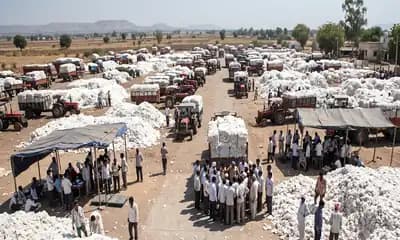
Corn demand from ethanol plants has become an important source of income for farmers and millers in Punjab. Producers have supported the continued use of 20% ethanol-blended petrol because fuel plants provide a steady market for maize. Dependable purchasing has encouraged some growers to move land away from rice and wheat and towards corn, linking crop-planning decisions more closely with biofuel policy.
Farmers who changed crops did so with the expectation that ethanol producers would remain regular buyers. A slowdown in the blending programme could reduce plant demand and weaken the commercial case for corn cultivation. Growers and millers argue that changes after planting decisions have been made would expose farmers to lower sales and reduced income.
The development is changing procurement conditions for other corn users. Ethanol plants now compete with buyers serving animal nutrition, starch processing and food manufacturing. When fuel producers maintain steady intake, they can offer farmers a dependable channel that may be more attractive than sales through less predictable markets. Other users may need firmer supply agreements, closer relationships with aggregators and earlier purchasing plans to secure suitable volumes.
Stronger demand can encourage farmers to raise acreage, which may expand future supply if yields remain stable. The outcome depends on continued confidence in the ethanol market. Any sharp policy change could reduce planting interest and create a cycle in which lower demand is followed by smaller crop availability.
Request the Latest Corn Prices Data - Access Price Insights Now
Corn buyers also need to consider regional movement. Ethanol plants located near producing areas can purchase directly or through local millers, reducing the volumes available for shipment to distant users. Buyers outside Punjab may face higher transport requirements or need to source from other producing states when local fuel demand absorbs more of the crop.
The policy also supports crop diversification away from water-intensive rice cultivation. For procurement teams, this creates a link between fuel regulation and agricultural supply. Stable ethanol demand may support larger corn output over time, but it can also keep competition firm during periods of limited production.
Contracts that define quality, moisture, delivery timing and volume commitments will become more useful as the buyer base expands. Feed and food processors may seek multi-region sourcing to reduce dependence on areas where ethanol demand is strongest. The direction of the blending programme will remain a central factor in corn acreage, farmgate demand and industrial availability.