- Dalian iron ore futures fell 1.78% and Qingdao spot prices eased 8-13 yuan/tonne as mill margins narrowed.
- A fresh round of coke price increases has squeezed Chinese blast furnace profitability further.
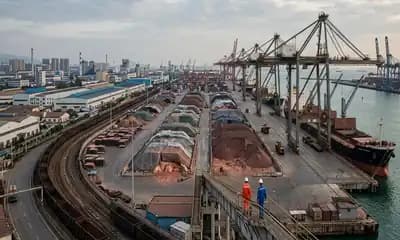
- Iron ore stocks at 35 major Chinese ports stood at 143.49 million tonnes, down 420,000 tonnes on the week a smaller draw than recent weeks.
- Most mills are operating at a loss, but only a handful have announced production cuts so far, limiting the near-term demand impact.
- Rising Middle East shipping risk around the Bab el-Mandeb Strait and expectations of further Fed rate hikes are adding to bearish sentiment across commodities.
Iron ore prices in China softened as steelmakers absorbed the latest in a series of coke price increases, adding fresh strain to already thin mill margins and raising questions about whether producers will begin trimming output.
The most-traded contract on the Dalian Commodity Exchange settled down 1.78% on the day, while spot prices at Qingdao port eased 8 to 13 yuan per tonne on average. Trading activity was described as reasonably active but thin in volume, with mills buying mainly to cover immediate operational needs rather than building inventory.
The price pressure stems directly from the cost side of the ledger. With the newest round of coke price hikes now in effect, profitability at Chinese blast furnaces has narrowed further, and market participants are increasingly concerned that mills may begin cutting production in response. Any such cuts would directly reduce demand for iron ore, reinforcing the current bearish tone in the market.
Request the Latest Iron ore Prices Data - Access Price Insights Now
On the supply side, the picture remains comfortable for now. Data from Shanghai Metals Market showed iron ore stocks across 35 major Chinese ports at 143.49 million tonnes, down 420,000 tonnes on the week, a notably smaller draw than in recent weeks. Average daily port outbound volume rose by 90,000 tonnes to 3.235 million tonnes, suggesting steady, if not accelerating, drawdown activity.
Despite the margin squeeze, the actual impact on near-term demand appears limited so far. Most mills are currently operating at a loss, but only a small number have announced concrete plans to cut production, meaning the anticipated demand hit has not yet fully materialized in the data.
Adding to the uncertain backdrop, macro and geopolitical factors are also weighing on sentiment. Tensions in the Middle East have continued to build, with reports that Houthi forces in Yemen have tightened control around the Bab el-Mandeb Strait, lifting both oil prices and broader trade risk. Expectations of further U.S. Federal Reserve interest rate increases have added another layer of pressure, reinforcing a broadly bearish outlook across commodities, iron ore included.
Taken together, the combination of narrowing mill margins, comfortable but slowly drawing port inventories, and elevated macro risk points to a market where near-term price direction will likely hinge on whether Chinese mills follow through on output cuts, rather than on any immediate change in raw material availability.