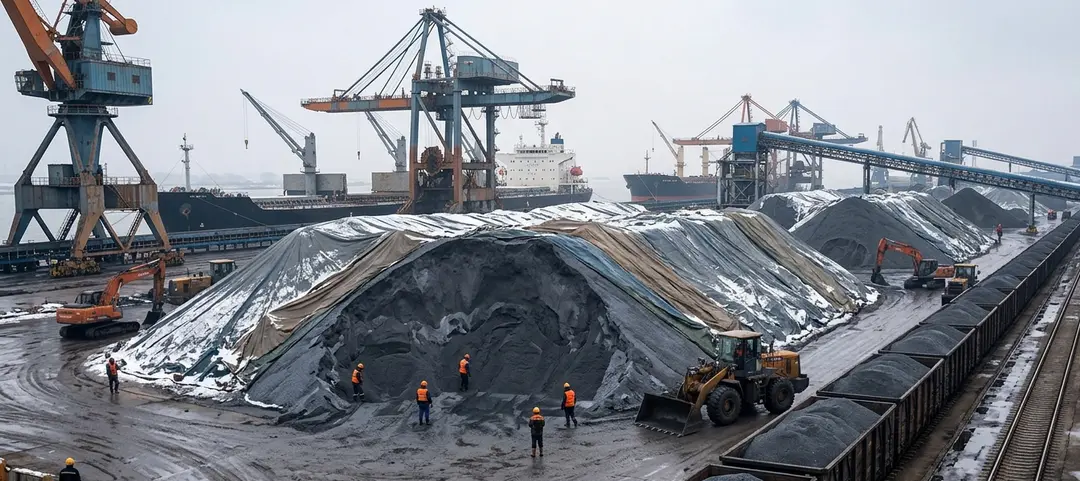
- Iron ore prices fell recently in mid-April after Iran’s Hormuz reopening announcement reduced commodity risk premiums.
- Stronger BHP output and progress in supply talks with China raised expectations of higher near-term shipments.
- Elevated Chinese port stockpiles weakened spot sentiment and limited support for prices.
- Prices recovered slightly recently in late April as Chinese mills began pre-May Day restocking.
- Lower China port inventories and stronger Tangshan billet prices improved steel market sentiment.
Iron ore prices declined recently in mid-April before recovering slightly in late April, as lower geopolitical risk first pressured the market and renewed Chinese buying later gave prices some support. Prices fell in mid-April after Iran announced the reopening of the Strait of Hormuz, easing Middle East tensions and reducing the risk premium across commodity markets. With broader market fears cooling, traders became less willing to support higher iron ore prices.
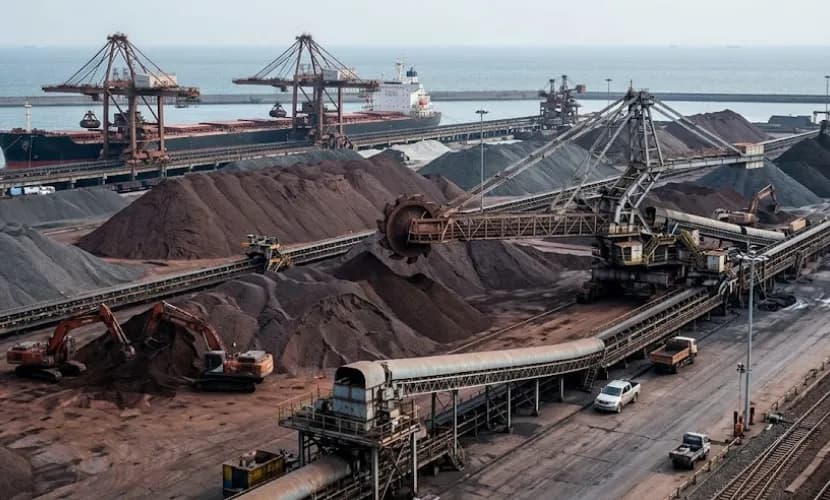
Supply expectations also weighed on the market. Stronger output from BHP and progress in its supply contract talks with China raised expectations of higher near-term shipments. The prospect of more seaborne material added pressure to iron ore prices.Chinese port stockpiles remained high during the same period, weakening spot market sentiment. With ample material available at ports, buyers had less urgency to secure cargoes at higher prices, limiting any chance of a stronger price recovery in mid-April.
The market improved slightly recently in late April as Chinese steel mills began restocking ahead of the May Day holiday. The increase in near-term procurement lifted spot demand and helped iron ore prices regain some ground. Lower port inventories in China also supported the recovery. At the same time, stronger Tangshan billet prices improved sentiment across the steel market, encouraging firmer buying of raw materials.
Request the Latest Iron Ore Price Data - Get Your Free Sample Report
The recent April movement showed that iron ore prices were pulled between supply pressure and short-term steel demand. Mid-April losses were driven by easing geopolitical risk, stronger shipment expectations and high port stocks, while late-April gains came from pre-holiday restocking, lower inventories and better steel market signals.





.webp&w=1080&q=75)
.webp&w=1080&q=75)