This blog comprises the definition of zinc, its production processes, market drivers, key players, and pricing trends.
Zinc: Definition
Zinc (Zn) is a chemical element and transition metal with atomic number 30 that belongs to Group 12 of the periodic table. It appears as a gleaming bluish-white metal that is abundant in the planet's crust. At normal temperature and pressure, it is brittle and crystalline, but at 110°C and 150°C, it becomes pliable and ductile.
Furthermore, it is somewhat reactive, combining with oxygen and other nonmetals, and reacting with dilute acids to release hydrogen. The basic metal is mostly used to galvanise steel, which protects it against corrosion. Zinc alloys, on the other hand, such as brass, are critical for a variety of applications ranging from corrosion-resistant maritime components to musical instruments.
Production Process of Zinc
The primary method of producing zinc is the electrolysis of zinc sulphate solution. The following are the steps in the zinc production process:
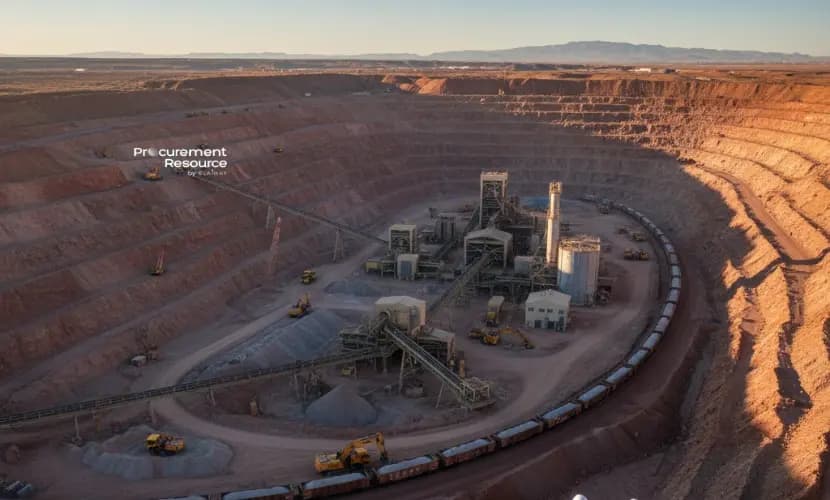
- Mining: Zinc ores are extracted from open-pit or underground mines. Sphalerite (ZnS), the most common zinc ore, is frequently found with other sulphide ores such as lead, copper, and iron.
- Concentration: Mined ores are crushed and ground to a fine powder before being concentrated using froth flotation, a technique that separates minerals from gangue (unwanted material).
- Roasting: The concentrated zinc ore is subsequently roasted in a boiler at around 950°C to eliminate any leftover sulphur and convert the zinc sulphide to zinc oxide.
- Leaching: The roasted zinc oxide is dissolved with sulfuric acid to generate a zinc sulphate solution.
- Electrolysis: The zinc sulphate solution is then electrolyzed in a series of cells, each with an anode and a cathode. The anodes are impure zinc, while the cathodes are pure zinc. When an electric current is run through the solution, zinc metal is deposited on the cathodes while impurities remain on the anodes.
- Refining: The zinc deposited on the cathodes is removed and melted in a boiler. The molten zinc is then cast into ingots or other shapes for further processing or sale.
- Recycling: Zinc can be recycled from waste metal, which is melted down and purified in the same manner as the original zinc. Recycling minimises the energy and environmental impact of zinc manufacturing.
Market Drivers
The zinc market is being fueled by the commodity's widespread use by industrial and domestic end-users. Additionally, the market is being driven primarily by the increasing use of steel alloys with zinc as the predominant component. Furthermore, the creation of facilities and infrastructure has a favourable impact on market demand.
Request Access For Regular Price Update of Zinc
Because automobiles use zinc in metal and steel parts, the developing automobile industry, particularly in developing countries, will drive market growth. Also, expanding infrastructure improvements that utilise zinc-coated metal alloys to strengthen structures are propelling the business forward. Furthermore, the increasing use of metal coatings in electronic products will propel the sector forward.
Zinc: Price Trend and Forecast
North America:
Recently, the August Zinc market in North America fared poorly; nevertheless, prices rebounded later in September. The absence of domestic demand from downstream industries such as personal care, pharmaceutical, and cosmetics was principally responsible for the shaky market sentiments and pricing trend in the US.
Furthermore, power disruptions in China caused by lengthy heatwaves in the southern regions, as well as heightened operational pressure and the shutting down of industrial units, disrupted market dynamics in the US. Substantial rate hikes by the US Federal Reserve later boosted the US currency to new all-time highs in over 20 years, harming the global business outlook.
APAC:
In recent months, zinc prices in China have experienced a slowdown as the EXW Shanghai back-and-forth has been resolved. However, they effectively rose and reached a settlement in September. Initially, there was a reduction in demand from end-user industries in China's domestic market.
Despite the higher price of coal, Chinese producers were still unable to earn a profit, according to observers. In China, the lower price trend was supported by improved operational pressure due to insufficient market demand and an energy constraint caused by extended periods in southern areas.
A few smelters shipped their products to alleviate the local market's supply bottleneck, which increased the number of arrivals in the Shanghai market. This had a positive impact on the zinc price trend in the Chinese market. In addition, recent power outages and brief interruptions induced by rationing in Sichuan province have resulted in large declines in zinc production cost in China.
Europe:
The European region's zinc price trajectory recently paralleled the market pattern in North America, with values settling in July. The extended oil crisis, rising inflation, and subsequent fears about the outlook for financial development caused the most significant falls in Europe.
Read More About Zinc Production Cost Reports - REQUEST FREE SAMPLE COPY IN PDF
The cost of energy remained the primary driver of inflation. The logistical challenges in Germany created by constant transportation disruptions exacerbated the economic crisis. Europe's situation has deteriorated as a result of China's ongoing port restrictions, as well as the unrest in Russia and Ukraine. Due to stagnating demand from end-user sectors such as pharmaceuticals and nutraceuticals, local shops cut their prices.
The demand for zinc is increasing due to its use in important end-user sectors such as automobiles. Similarly, Procurement Resource's team of industry specialists assists in navigating all of the market needs. Procurement Resource provides significant insights for a wide range of sectors and goods in terms of feasibility reports, economic trends, procurement, supply chain, cost models, and so on.
About Author:
|
Prakhar Panchbhaiya Senior Content Writer at Procurement Resource Prakhar Panchbhaiya is an accomplished content writer and market research analyst. With over 4 years of experience in content creation and market analysis encompassing many industries, including pharmaceuticals, nutraceuticals, biochemistry, healthcare, ed-tech, and Food & Agriculture, he has been creating quality content for multiple sectors. He is a Biochemistry major with sturdy backing in a PG diploma in digital marketing, helping in the exhaustive content creation based on extensive research and competitive marketing. |
.webp&w=1080&q=75)
.webp&w=1080&q=75)

.webp&w=1080&q=75)
.webp&w=1080&q=75)
.webp&w=1080&q=75)
.webp&w=1080&q=75)
.webp&w=1080&q=75)
.webp&w=1080&q=75)
