Prakhar Panchbhaiya
Assistant Manager: Business Insights and Content
Supporting procurement teams with category intelligence, market research, price trends, supply-demand analysis, and strategic sourcing insights across key industries.

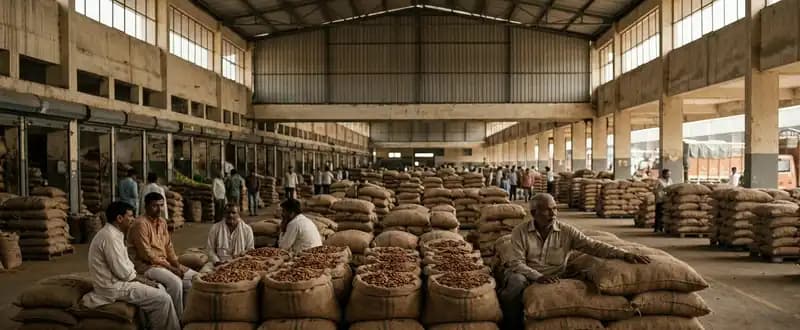
California almond prices rose during June as firm demand and tightening availability supported the kernel market. Nonpareil kernels recorded the strongest gains, but inshell demand was weaker as Indian buyers reduced purchases during the second half of the month. Existing inventories, higher prices and expectations of lower offers after harvest reduced immediate buying interest in India.
Delayed monsoon rains also affected purchasing timing in India, the largest overseas market for California almonds. Demand often strengthens before the festival selling period, but buyers appeared willing to wait for clearer crop and price information before rebuilding stocks.
European demand offered firmer support. The European Union introduced duty-free access for up to 500,000 metric tons of US tree nuts from July 1. California almond exports to Europe reached 314,700 tons through June, up 5.5 percent from a year earlier. The new access terms give exporters another route for moving supply during the transition to the 2026 harvest.
An industry crop estimate places California’s 2026 almond production between 2.65 billion and 2.7 billion pounds. The crop is developing about ten days earlier than normal, but orchard conditions differ because of weather effects. High production expenses have also encouraged some growers to reduce spending on orchard inputs.
Request the Latest almond Prices Data - Access Price Insights Now
Forward sales for the incoming crop stood at 92 million pounds in the June position data. This was above last year’s level but below the five-year average. The figures indicate that sellers have booked more new-crop business than they had at the same point last season, yet a large portion of expected production remains available for later negotiation.
Food manufacturers should separate their purchasing plans by variety, size and form. Nonpareil kernels face different demand conditions from inshell almonds sold into India. Bakery, confectionery and snack producers can reduce exposure by staggering coverage rather than treating all almond specifications as one market.
An early crop could bring new supply to handlers sooner, but harvest timing alone does not guarantee immediate shipment. Drying, hulling, shelling, grading and export preparation still determine commercial availability. Buyers should confirm shipment periods and quality tolerances before relying on early-harvest expectations.
Assistant Manager: Business Insights and Content
Supporting procurement teams with category intelligence, market research, price trends, supply-demand analysis, and strategic sourcing insights across key industries.




We are Just a Text away