European Dimethyl Sulphate Plants Run Near Capacity as Feedstock Pressure Builds in 2026

- China announced a halt to sulfuric acid exports starting May 2026, directly affecting feedstock availability for global dimethyl sulphate producers.
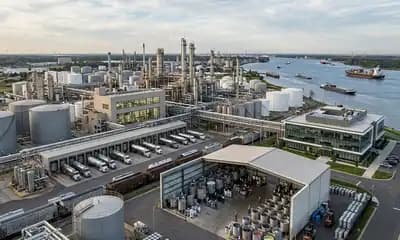
- European dimethyl sulphate plants in Belgium and the Netherlands operated at 85 to 90 percent capacity utilization through late 2025, limiting flexibility to absorb new demand.
- Dimethyl sulphate's role as a methylating agent in agrochemical and dye synthesis is difficult to substitute, reinforcing cost pass-through to downstream buyers.
- Separate Middle East logistics disruptions have added further pressure to the global sulfuric acid market beyond the China export halt alone.
- Procurement teams should review supplier inventory positions and contract terms ahead of peak agrochemical production season in the third quarter.
Dimethyl sulphate, a widely used methylating agent in agrochemical, dye, and pharmaceutical intermediate synthesis, is facing a new layer of feedstock cost pressure following China's announcement that it will halt exports of sulfuric acid starting in May 2026. Sulfuric acid serves as a primary raw material input in dimethyl sulphate manufacturing, and the export suspension out of China, one of the world's largest sulfuric acid producers, is rippling through downstream chemical supply chains that depend on the acid for a range of production processes beyond dimethyl sulphate alone.
Request the Latest Dimethyl Sulphate Prices Data - Access Price Insights Now
European dimethyl sulphate production has been operating at elevated utilization rates, with Belgian and Dutch facilities running at 85% to 90% of capacity through the final quarter of 2025. This level of utilization leaves limited headroom for producers to absorb additional demand or offset feedstock supply disruptions through increased output, meaning any further tightening in sulfuric acid availability is likely to translate into allocation discipline or price adjustment rather than a simple production ramp-up.
The methylation chemistry that dimethyl sulphate enables is difficult to substitute in many established synthesis routes, particularly in agrochemical active ingredient production and certain dye intermediate processes where the compound's reactivity profile is well-matched to existing plant configurations. This entrenched position means downstream formulators have limited near-term ability to switch methylating agents even as costs rise, reinforcing the pass-through of feedstock pressure into finished product pricing across the value chain.
The China sulfuric acid export halt is itself a response to a constrained domestic acid market, with global sulfuric acid supply also coming under separate pressure from logistics disruptions affecting Middle East shipments earlier in 2026. The combination of these two supply-side events has tightened the global acid market more broadly, affecting not only dimethyl sulphate producers but a wide range of industries dependent on sulfuric acid as a processing input, including fertilizer manufacturing and certain metal extraction processes.
For procurement teams managing dimethyl sulphate supply contracts, the combination of near-capacity European production and a disrupted feedstock market warrants close attention to supplier inventory positions and contract renewal terms through the third quarter of 2026. Buyers with flexibility to qualify alternative regional suppliers or adjust order timing ahead of peak agrochemical production season may be better positioned to manage the cost and availability pressure building across the methylating agent supply chain.
Recent News & Articles

Manufacturer Transition Triggers Erythromycin Shortage as Azithromycin Becomes Temporary Clinical Alternative
Battery-Grade Caustic Potash Restocking Adds Selective Tightness to Stable European Supply in 2026
Almond and Cherry Flavor Notes Keep Benzaldehyde Demand Resilient Across Food and Beverage Formulations

June 30 Commerce Department Tariff Update Will Define Copper Market Direction Through Q3 2026

China Holds Dominant Benzoic Acid Production Share but Tariff Exposure Is Forcing North American Procurement Diversification
Tags
- Access independent price trends and market intelligence for thousands of raw materials.
- Request customised production cost and prefeasibility reports for specific plants or locations.
- Explore subscription dashboards for continuous tracking of prices, indices, and news.
- Commission bespoke research on categories, suppliers, or trade flows tailored to your brief.
Our Team will be happy to assist you
We are Just a Text away