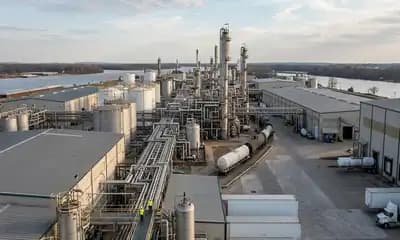
Paints and Coatings Drive 40 Percent of Global Butyl Glycol Demand as BASF Dow and Eastman Lead Supply in 2026
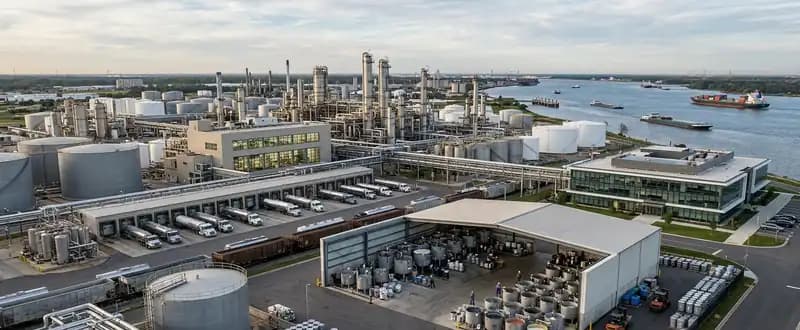
- Paints and coatings account for 40% of butyl glycol demand in 2026, with solvent applications representing 55% of total end-use globally.
- Asia-Pacific producers maintain a $100-300/MT cost advantage over European supply, driven by integrated ethylene oxide and n-butanol feedstock chains.
- BASF, Eastman, and Dow are the three dominant global producers; India leads growth at 6.0% CAGR, ahead of China at 4.5% and Japan at 4.6%.
- European butyl glycol prices reflect higher naphtha-based ethylene costs, elevated energy prices, and REACH compliance overheads that Asian producers do not carry.
- Buyers should consider dual-sourcing structures combining Asian volume contracts for cost efficiency with European agreements for lead time and supply security.
Butyl glycol demand in June 2026 is anchored by the paints and coatings sector, which accounts for 40% of global consumption, with solvent-function applications representing 55% of total end-use across the industrial and commercial markets. The compound, also known as 2-butoxyethanol or ethylene glycol monobutyl ether, serves as a primary solvent in architectural coatings, industrial maintenance paints, cleaning formulations, and printing inks. Its performance characteristics controlled evaporation rate, excellent resin solvency, and compatibility with water-borne systems have made it a standard ingredient across formulation platforms that cannot easily be substituted without reformulation investment.
The defining feature of the global butyl glycol market through mid-2026 is a persistent regional price gap between Asia-Pacific and European supply. Buyers sourcing from Chinese, South Korean, or Taiwanese producers access material at $100 to $300 per metric ton below equivalent European pricing, a differential that originates in feedstock cost structure. Asia-Pacific hosts the highest concentration of integrated petrochemical facilities where ethylene, ethylene oxide, and downstream glycol ethers are produced in a linked production chain, avoiding the inter-plant logistics steps and margin additions that elevate European landed costs.
European butyl glycol producers operate against a structurally higher cost backdrop. Base ethylene costs in Europe typically run EUR 100 to EUR 200 per metric ton above Asian levels, driven by naphtha-based crackers, elevated energy prices following energy market dislocations in prior years, and tighter environmental compliance requirements. These cost factors pass directly into ethylene oxide and downstream glycol ether production economics, setting a price floor for European supply that Asian competitors are not subject to. For European buyers, the effective landed cost advantage of Asian material narrows considerably once shipping, insurance, and lead time costs are included.
Request the Latest Butyl Glycol Prices Data - Access Price Insights Now
Three major producers BASF SE, Eastman Chemical Company, and Dow Chemical Company supply the majority of global butyl glycol volumes across both regions, with Asian state-owned and private petrochemical groups filling demand in the region's fastest-growing markets. India is projected to post the highest growth rate among individual countries through the forecast period, at 6.0% annually, driven by rising construction activity, growing urban industrial output, and increasing paint and coatings consumption. China and Japan follow at 4.5% and 4.6% CAGR respectively. Southeast Asia is also expanding its own blending and distribution infrastructure to reduce reliance on direct imports from established Northeast Asian production hubs.
For procurement managers in the coatings, cleaning, and specialty chemical sectors, the June 2026 environment rewards advance planning. The $100 to $300 per metric ton Asian cost advantage is real, but longer lead times, minimum order quantities, and quality certification requirements make spot procurement from Asia difficult for buyers without established supplier relationships. European and North American producers offer faster response times at a higher price point. A dual-sourcing strategy long-term Asian volume contracts for cost efficiency and shorter-term European or domestic agreements for surge capacity remains the most effective structure for buyers managing both cost and supply continuity.
Recent News & Articles

China Holds Dominant Benzoic Acid Production Share but Tariff Exposure Is Forcing North American Procurement Diversification
UAW Strike at American Axle Adds Caution to US Ferrous Scrap Procurement as June Trade Opens
China Infrastructure Stimulus Drives Sodium Gluconate Price Recovery in 2026 From Multi-Quarter Lows
Dipropylene Glycol Prices Rise in June 2026 as Feedstock Costs Sit at $1,161 to $1,283 per MT and Fragrance Grade Availability Tightens

China DMC Exports Surge to Near-Record Levels as Domestic Inventory Overflows
Tags
- Access independent price trends and market intelligence for thousands of raw materials.
- Request customised production cost and prefeasibility reports for specific plants or locations.
- Explore subscription dashboards for continuous tracking of prices, indices, and news.
- Commission bespoke research on categories, suppliers, or trade flows tailored to your brief.
Our Team will be happy to assist you
We are Just a Text away