Prakhar Panchbhaiya
Assistant Manager: Business Insights and Content
Supporting procurement teams with category intelligence, market research, price trends, supply-demand analysis, and strategic sourcing insights across key industries.

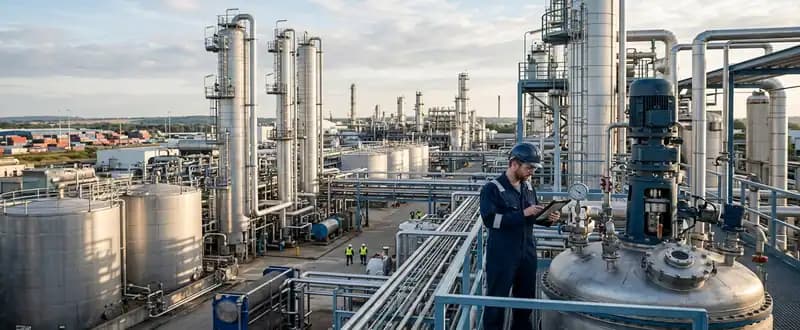
Dipropylene glycol procurement teams are navigating a tighter cost environment in June 2026, as upstream propylene oxide prices remain elevated across all major sourcing regions. Propylene oxide, which accounts for approximately 65% of DPG production costs, was priced at $1,161 per metric ton in China, $1,246 per metric ton for US CIF arrivals, and $1,283 per metric ton in Germany in early 2026, with these regional differentials persisting through the first half of the year. The direct feedstock-to-product cost relationship means any sustained elevation in propylene oxide pricing flows quickly into DPG contract and spot prices, compressing the margins of formulators who cannot pass cost increases downstream.
The demand side of the DPG market is adding to procurement complexity. The personal care and cosmetics segment which accounts for approximately 31% of global DPG consumption has experienced a notable uptick in activity driven by the broader industry shift toward eco-friendly and lower-toxicity formulations. DPG's profile as a relatively safe, biodegradable solvent and fragrance carrier has made it a preferred alternative to glycol ethers and other solvents facing increasing regulatory scrutiny in Europe and North America. A market report from April 2026 highlighted robust growth in DPG-derived specialty ethers across personal care, coatings, and industrial cleaning applications, with procurement managers in these sectors reporting tighter availability on preferred specifications.
Request the Latest Propylene Oxide Prices Data - Access Price Insights Now
Tariff dynamics have introduced an additional layer of complexity for buyers sourcing DPG internationally. Trade policy measures affecting chemical intermediates on Asia-Pacific and transatlantic routes have increased the landed cost of imported DPG and DPG-derived ethers in key markets. Coatings, electronics, and cosmetic formulation segments have been disproportionately affected, as these industries rely on a higher proportion of imported specialty-grade DPG relative to standard industrial-grade product. Supply chains previously optimized around lowest-cost single-source procurement are being restructured to balance cost, supply security, and compliance risk.
The competitive landscape for DPG supply is concentrated among a small group of major chemical producers Dow Inc., BASF SE, Shell, LyondellBasell, and INEOS among the most significant alongside Chinese merchant market suppliers from producers such as Chaoyang Chemicals and Sinochem Nanjing. This supplier concentration means that in periods of constrained propylene oxide availability or sharply rising feedstock costs, large contract customers are generally prioritized over spot buyers, which can leave smaller formulators facing allocation constraints.
For procurement teams, the June 2026 environment makes a strong case for reviewing contract structures, extending supplier qualification to include at least one alternative source, and monitoring propylene oxide price trends as the leading indicator for DPG cost movements. The longer-term demand trajectory for DPG remains broadly positive growing polyurethane polyol demand, expanding personal care markets, and solvent substitution trends all support steady volume growth but the near-term combination of elevated feedstock costs and tariff pressures means procurement teams need to act proactively to avoid supply gaps or margin erosion.
Assistant Manager: Business Insights and Content
Supporting procurement teams with category intelligence, market research, price trends, supply-demand analysis, and strategic sourcing insights across key industries.



We are Just a Text away