Procurement Resource Logo
    • Complexity Reduction Tool
    • Digital Should Cost Model
    • Procure 360
    • Sourcing Compass
    • Spend Analytics
    • Sustainability Tracker
    • Pricing Dashboard
  • Industries
    • Agriculture & Farming Commodities
    • Chemicals
    • Energy, Metals and Minerals
    • Flavours and Fragrances
    • Food and Beverages
    • Healthcare
    • Machinery, Electronics and Durables
    • Operating Costs, Logistics and Utilities
    • Packaging
  • Services
    • Category Compass
    • Commodity Compass
    • Supplier Compass
    • Data Analytics & Automation
    • Digital Solutions
    • Blogs
    • News & Articles
    • Newsletter
    • Manufacturing Plant Project Report3000+
    • Production Cost Report2000+
    • Price Trends1000+
Social Media Icon of linkedinCall Support IconSearch Icon
Login

Newsletter

Get Latest News About Procurement Resource Subscribe for News

Industries

  • Agriculture & Farming Commodities
  • Chemicals
  • Energy, Metals and Minerals
  • Flavours and Fragrances
  • View All

Services

  • Category Compass
  • Commodity Compass
  • Supplier Compass
  • Data Analytics & Automation
  • Digital Solutions
  • View All

Useful Links

  • Testimonial
  • Press Releases
  • About Us
  • Careers
  • Who We Are
  • Term Of Use
  • Contact Us

Solutions

  • How We Work
  • Tail Spend Management
  • Full Time Engagement
  • Custom Research
  • Subscriptions
  • Resource Center
  • Return/Refund Policy
Copyright © 2026 Procurement Resource. All rights reserved.
  • Social Media icon Twitter i.e X
  • Social Media icon instagram i.e insta
  • Social Media icon linkedin i.e in
  • Social Media icon facebook i.e fb

News and Articles

  1. Home/
  2. News and Articles/
  3. US-Canada trade war heats the phosphate market

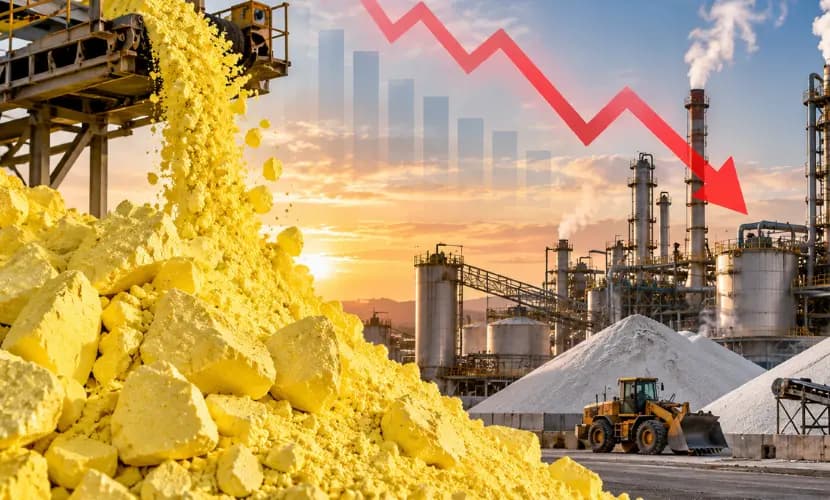
The US-Canada trade war heats the phosphate market; phosphate prices may surge

Blog Detail Image
Mar 25, 2025
˜ Veronica Khanna

Rising fertilizer prices, fueled by trade tensions between the US and Canada, are squeezing farmers on both sides of the border. The recent imposition of a 25% US tariff on most Canadian goods, including fertilizers, has disrupted the delicate supply chain that North American agriculture relies on. While a temporary reprieve has delayed tariffs on some products till April 2, 2025, uncertainty looms over the upcoming growing season.

Farmers in the US and Canada depend on each other for critical soil nutrients. US growers, many of whom require potassium-rich potash, source 80% of their imports from Canada (primarily from Saskatchewan). Meanwhile, Canadian farmers rely on phosphate, much of which comes from Florida, USA. Canada imports phosphate rock and processed phosphate fertilizers (like DAP and MAP) from the US, mostly mined and produced in Florida. These are essential for Canadian crops, with no easy alternatives due to logistics and cost. US tariffs on Canadian potash could trigger Canadian tariffs on these phosphate imports, hurting farmers on both sides.

However, trade barriers and extreme weather have strained this exchange. The US tariff threat triggered a 15% spike in potash prices in early 2024, with costs jumping from $303 to $348 per short ton in just two months. Analysts noted that fears of supply disruptions, rather than just market fundamentals, drove the surge.

Phosphate prices have also climbed due to hurricane-related production delays in Florida recently. Now, if Canada retaliates with its own tariffs on US phosphate, costs for Canadian farmers could rise further.

Fertilizer accounts for 22% of total corn production costs in the US, making it one of the largest expenses for growers. The US government's 25% tariff on Canadian potash - a critical fertilizer ingredient - is ironically hurting American farmers the most. While intended as leverage in trade negotiations, this policy backfires because US agriculture depends heavily on Canadian imports, with nearly 90% of American potash supplies coming from across the border. The tariff immediately raises costs by over $100 per ton for an input that already accounts for 22% of corn production expenses. Since farmers can't easily substitute or reduce fertilizer use without risking crop yields, they're forced to absorb these added costs, squeezing their already tight profit margins.

Canadian tariffs on US phosphate would backfire, raising costs for both nations’ farmers. The US depends on Canadian potash; Canada needs Florida phosphate. Trade barriers disrupt this exchange, hurting food production.

With Canada considering retaliatory tariffs on US phosphate exports, the trade dispute threatens to drive up costs for farmers on both sides of the border, creating a lose-lose scenario for North American agriculture.

While Canadian suppliers rushed shipments to US wholesalers ahead of the tariffs, ensuring early spring supply, retailers are charging higher prices. Data from March 2025 shows that average retail fertilizer prices remain elevated, though the rate of increase has slowed.

The US-Canada dispute isn’t the only factor pressuring fertilizer markets. The war in Ukraine has disrupted exports from Russia and Belarus, which together supply a significant portion of global potash. Brazil, the world’s largest potash importer, is closely monitoring the situation as it seeks to reduce dependence on foreign supplies.

Efforts to boost domestic production, such as Brazil’s long-term fertilizer plan, could eventually ease reliance on imports. However, achieving self-sufficiency will take decades, leaving farmers vulnerable to trade shocks in the meantime.

With planting season underway, farmers face tough choices—absorb higher costs, cut back on fertilizer use (risking yields), or pass expenses onto consumers. As trade negotiations continue, the agricultural sector braces for further volatility in an already strained market.

Recent News & Articles

Class III Milk Forecast Lifted to $17.00/cwt on Cheese and Whey Strength
Cheese Procurement Outlook: Spot Prices Ease, Annual Forecasts Rise
Coconut Oil Procurement Outlook Improves as Export Supply Grows
Rapeseed Oil Supply Outlook Improves as Canada Stocks Rise
Sunflower Oil Supply Rebuild Coming as Ukraine Output Jumps 19 Percent

Tags

#Commodity Prices
#Commodity Prices
#Commodities
#Commodities
#Industrial News
#Industrial News
#Gold
#Gold
#Chemicals
#Chemicals
#Outlook for Potassium Carbonate
#US Steel Scrap Prices
#USDA Milk Forecast
#USDA Milk Forecast
#Cheese Prices
#Cheese Prices
#Agriculture Raised
#Agriculture Raised
  • Access independent price trends and market intelligence for thousands of raw materials.
  • Request customised production cost and prefeasibility reports for specific plants or locations.
  • Explore subscription dashboards for continuous tracking of prices, indices, and news.
  • Commission bespoke research on categories, suppliers, or trade flows tailored to your brief.

Our Team will be happy to assist you

We are Just a Text away

Read other news in this category

Coconut Oil Procurement Outlook Improves as Export Supply Grows
Rapeseed Oil Supply Outlook Improves as Canada Stocks Rise
Sunflower Oil Supply Rebuild Coming as Ukraine Output Jumps 19 Percent
Bursa Malaysia CPO Rallies Three Sessions on Indonesia Supply Tightening Talk
KPBN Palm Oil Prices Fall 5.77 Percent as Single-Gate Export Plan Lands