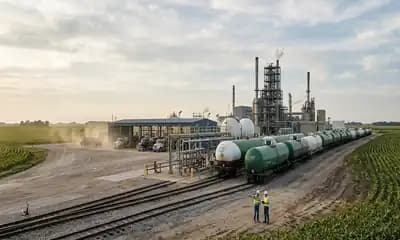
- Tyre production has risen to nearly 250 tonnes.
- Synthetic rubber is tested before entering the production line.
- Non-compliant raw materials are rejected and reported to suppliers.
- Barcode systems track compounds through production.
- Higher output raises rubber volume and quality requirements.
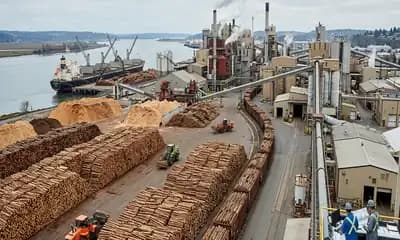
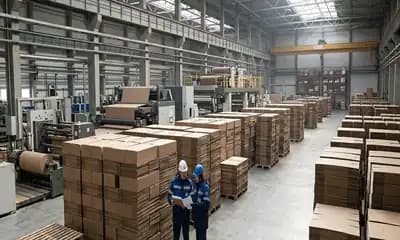
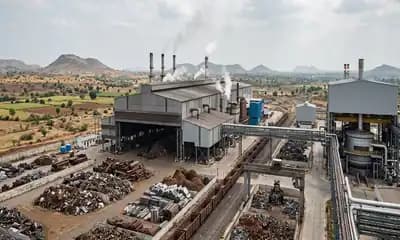
Yokohama India’s Visakhapatnam tyre plant has increased production from roughly 30-50 tonnes to nearly 250 tonnes, expanding its requirements for rubber compounds and supporting materials. The plant manufactures tyres for Indian and export markets using automated material handling, compounding, extrusion, assembly, curing and testing systems.
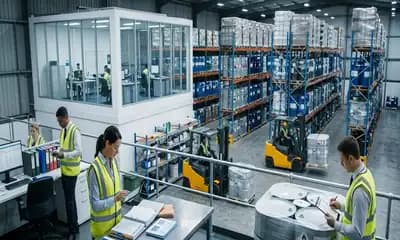
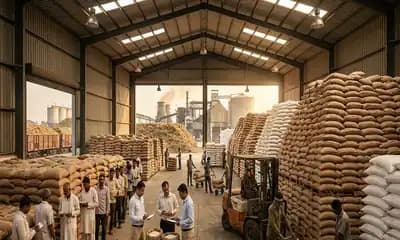
Incoming synthetic rubber, carbon black, silica and other compounds are inspected in the plant’s material-testing laboratory. Inputs that fail the required specification are rejected, and suppliers are informed. This places direct responsibility on vendors to maintain chemical composition, cleanliness, consistency and batch documentation.
Rubber compounding takes place in several stages, with different formulations prepared for individual tyre models. The compounds are converted into tread, sidewall and other components before textile materials and steel reinforcements are added. The assembled green tyre is then cured under controlled heat, pressure and cycle conditions.
Request the Latest Rubber Prices Data - Access Price Insights Now
For rubber suppliers, higher plant output creates volume opportunities but also increases the cost of a failed batch. Material rejection can disrupt compounding schedules and create shortages across several tyre models. Supply agreements should state testing methods, acceptable tolerances, sampling procedures and responsibility for replacement freight.
The plant uses barcode-based tracking to move the correct compounds into each production stage. Suppliers should provide batch codes and certificates that match this traceability system. Any difference between the shipping label, test certificate and delivered material can delay approval.
The facility has a contracted power requirement of 10.5 MW, with 3 MW supplied through rooftop solar. Another 4.5 MW of solar capacity is planned, which would take renewable energy above half of the plant’s electricity requirement. Production has risen without a matching increase in fresh-water use, according to plant officials.
Rubber buyers and compound suppliers should treat the plant’s production increase as evidence of stronger downstream consumption, not as a direct measure of India’s total rubber demand. Procurement volumes will depend on tyre size, formulation, natural-to-synthetic rubber ratio and production schedules.
The July 12 report shows that quality assurance is becoming as important as price. Suppliers capable of delivering consistent rubber grades, traceable batches and fast replacement material will hold an advantage as tyre plants operate at higher throughput.