Ethylene Price Trend Analysis 2026: Historical Prices, Latest News, Supply Demand Analysis, Price Drivers & Market Insights

Pragati Agarwal profile photo
Written ByPragati Agarwal

Procurement Resource Database

Laptop screen

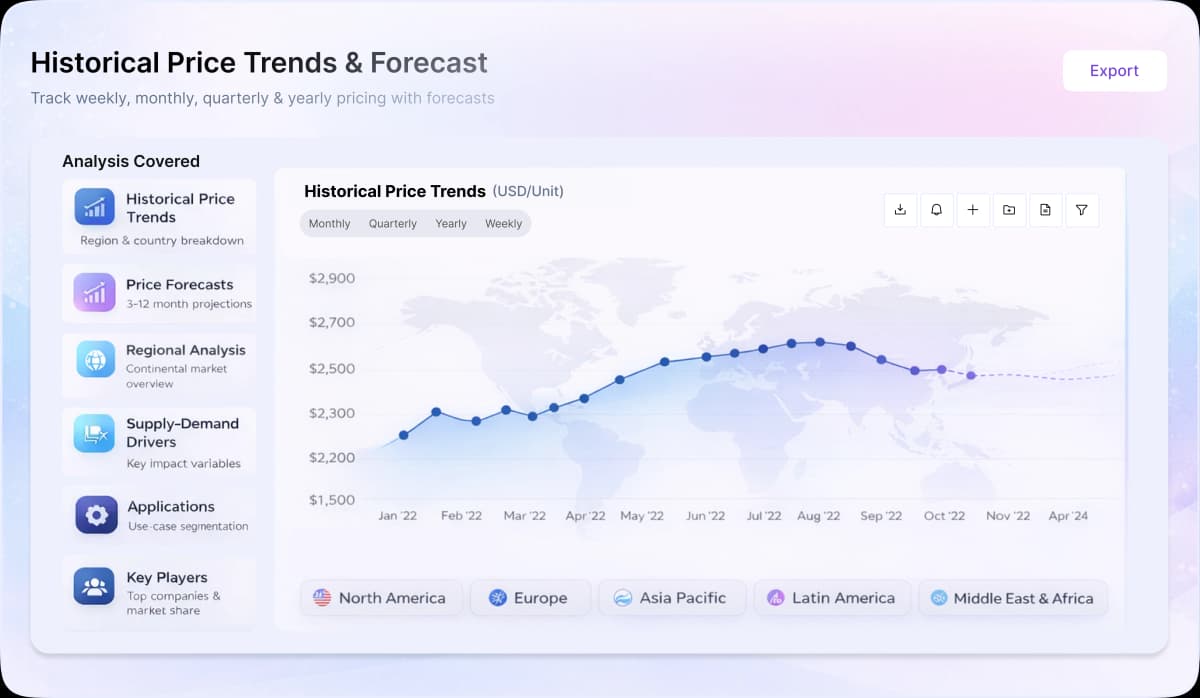
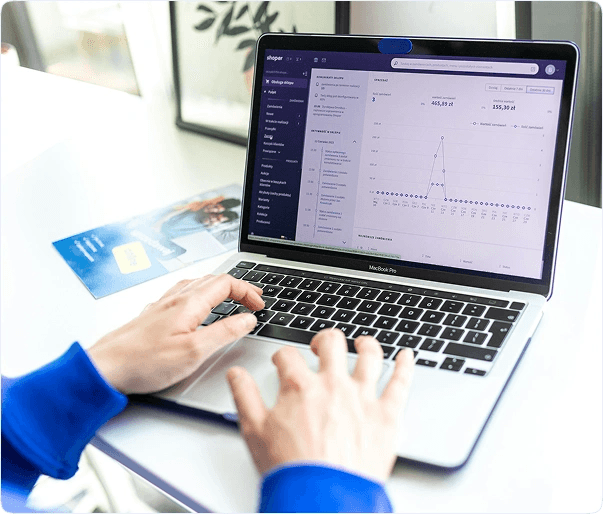
Turn price intelligence into action with the Procurement Resource Database. Log in or subscribe to unlock live price trends, historical charts, supplier databases, cost curves, and analyst-backed insights across chemicals, agriculture, energy, packaging, and more. Use these tools to benchmark your contracts, plan budgets with confidence, and stay ahead of market moves on every product you buy.

Ethylene Dashboard Inclusions

Ethylene Price Dasboard

0

+

Products

0

+

Regions

0

+

Subscriptions

  • Ethylene prices followed a mixed-to-firm trajectory in early 2026, with strength in Asia offset by persistent weakness in oversupplied Western markets.
  • Crude oil prices surged amid disruption of ~20% of global oil and LNG flows through the Strait of Hormuz, significantly raising production costs.
  • Demand remained mixed in Asia due to import reliance, while Europe and North America saw limited improvement due to weak derivative sectors.

Asia

Ethylene prices in Asia trended upward, supported by tightening supply and firm demand. Reduced operating rates at steam crackers and ongoing rationalization across Japan and South Korea, targeting 20–28% capacity reductions, constrained output and limited spot availability. This pushed buyers toward imports, increasing competition for cargoes and lifting regional prices.

In India, ethylene prices increased from INR 63.08/kg (CIF) in January to INR 67.65/kg in March, marking a 5.16% rise from February to March 2026. The gains were primarily driven by stronger import dependence, constrained regional supply, and elevated feedstock costs. Additionally, global supply risks intensified as OPEC+ output is expected to decline by up to 11 million bpd, while strategic reserves released by the IEA cover only ~20 days of disrupted flows, tightening overall olefin cost support.

Europe

The European ethylene market remained subdued due to structural oversupply and weak downstream demand. Cracker utilization rates remained low at around 75% in 2025, with only a modest recovery expected in early 2026. Continued imports of olefins and derivatives further pressured domestic producers, while demand remained stagnant amid ongoing economic uncertainty, inflation, and weak industrial activity. These factors collectively limited any meaningful recovery in ethylene pricing.

North America

The North American ethylene market continued to face oversupply and weak downstream demand, keeping price movements largely constrained. However, rising feedstock costs provided some support to the market. Higher natural gas and ethane prices, driven by strong global demand and new cracker startups in Asia and Mexico, compressed margins to near breakeven levels. This created pressure on producers and raised concerns about potential reductions in operating rates, although no major supply cuts have been confirmed. Despite weak fundamentals, elevated feedstock costs prevented further price declines.

About Ethylene

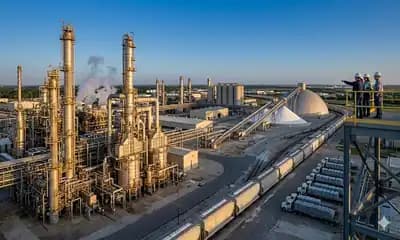
Ethylene appears as a colourless gas with a sweet odour and taste. It is lighter than air. It is the simplest alkene and flammable in nature. It is extensively used in the industrial sector to produce polyethylene, a widely used plastic having polymer chains of ethylene units. It can also be hydrated to produce ethanol.

Ethylene Product Detail

Chemical Formula

C2H4 

Cas Number
74-85-1
Molecular Weight
28.05 g/mol
Industrial Uses

Polymerisation, Oxidation, Intermediates, Halogenation and hydrohalogenation, Manufacturing, Plasticisers, Hydration and oligomerisation, Processing aid, specific to petroleum production

Synonyms

Ethene, Green ethylene

Supplier Database

Saudi Basic Industries Corporation (SABIC), Dow Chemical Company, LyondellBasell Industries Holdings B.V., INEOS Capital Limited, Chevron Phillips Chemical Company LLC

Regional Coverage

Asia Pacific

China, India, Indonesia, Pakistan, Bangladesh, Japan, Philippines, Vietnam, Iran, Thailand, South Korea, Iraq, Saudi Arabia, Malaysia, Nepal, Taiwan, Sri Lanka, UAE, Israel, Hongkong, Singapore, Oman, Kuwait, Qatar, Australia, and New Zealand

Europe

Germany, France, United Kingdom, Italy,Spain, Russia, Turkey, Netherlands, Poland, Sweden, Belgium, Austria, Ireland Switzerland, Norway, Denmark, Romania, Finland, Czech Republic, Portugal and Greece

North America

United States and Canada

Latin America

Brazil, Mexico, Argentina, Columbia, Chile, Ecuador, and Peru

Africa

South Africa, Nigeria, Egypt, Algeria, Morocco

CurrencyUS$ (Data can also be provided in local currency)

Supplier Database AvailabilityYes

Customization ScopeThe report can be customized as per the requirements of the customer

Post-Sale Analyst Support360-degree analyst support after report delivery

Note: Our supplier search experts can assist your procurement teams in compiling and validating a list of suppliers indicating they have products, services, and capabilities that meet your company's needs.

Ethylene Production Process

  • Production of Ethylene via Steam Cracking Process

In this process, ethane is used as a feedstock and is heated at a temperature ranging from 750 to 950 °C with steam.  This results in the conversion of large and complex hydrocarbons into smaller ones and further causes unsaturation, which finally produces Ethylene.

Frequently Asked Questions

Ethylene prices in India showed a firm trend during Q1 2026, increasing by around 7.24% from January to March. The rise was supported by stronger downstream demand, higher naphtha-linked production costs, which were directly influenced by the freight disturbances caused by the Iran war, and improved buying from polyethylene, ethylene oxide, ethylene glycol, and other derivative markets toward the end of the quarter.
Ethylene prices in India remained largely stable on a quarter-on-quarter basis. Q4 2025 prices averaged USD 782.91/MT, while Q1 2026 prices averaged USD 783.33/MT, showing a marginal 0.05% increase. This indicates that the overall quarterly market stayed steady, even though prices strengthened from January to March, since the key ethylene markets like China were already struggling with excess supplies.

Ethylene demand in 2026 is expected to remain linked to polyethylene, PVC, ethylene oxide, styrene, and glycol markets. However, global overcapacity and weak cracker margins may pressure operating rates, especially in Asia and Europe. Ethane-based producers in the United States and the Middle East are expected to retain a cost advantage over naphtha-based producers.


Geopolitical tensions around the Strait of Hormuz were a key driver of ethylene prices in Q1 2026. Crude oil prices surged amid disruption risks to nearly 20% of global oil and LNG flows through the route. This lifted naphtha costs, freight rates, and insurance premiums, raising production and landed costs for ethylene.
The United States, China, Saudi Arabia, India, South Korea, Japan, and several European countries are major participants in the ethylene market. The United States and the Middle East benefit from low-cost ethane feedstocks, while China is both a major producer and the world’s largest downstream consumer due to its extensive plastics and petrochemical industries.
BASF started up the steam cracker at its Zhanjiang Verbund site in China in January 2026. The cracker has 1 million metric tons per year of ethylene capacity and supplies basic chemicals including ethylene and propylene to multiple downstream plants at the site. This expansion strengthened China’s integrated petrochemical production base.
Ethylene is produced through steam cracking of feedstocks such as naphtha, ethane, propane, and butane. Naphtha-based producers are highly exposed to crude oil price movements, while ethane-based producers depend more on natural gas liquids. Rising feedstock costs increase cracker production expenses and typically support higher ethylene pricing when derivative demand remains stable.
Polyethylene remains the largest downstream outlet for ethylene, followed by ethylene oxide, ethylene glycol, ethylene dichloride, vinyl acetate monomer, alpha olefins, and styrene-related products. Demand from packaging, construction, textiles, automotive, consumer goods, detergents, and industrial manufacturing sectors largely determines ethylene consumption trends.
Cracker operating rates directly affect ethylene availability. Lower run rates reduce spot supply and can support prices when downstream demand is stable. Higher operating rates improve availability but may pressure margins if derivative demand is weak. Planned maintenance, unplanned outages, feedstock economics, and cracker profitability strongly influence operating decisions.
Procurement Resource employs a structured methodology combining primary research, secondary market intelligence, analytical models, and validation processes to assess ethylene prices and market trends. Evaluations incorporate feedstock costs, cracker operating rates, derivative demand, capacity additions, trade flows, and value chain analysis, supported by continuous market monitoring and cross-verification.

About the Author

Pragati Agarwal profile photo

Pragati Agarwal

Senior Business Insights Analyst

Delivering price trend analysis and procurement market insights at Procurement Resource, with expertise in identifying commodity patterns, supporting purchasing strategies, and improving cost efficiency through actionable market intelligence.

Our Price Analysis Methodology

Schedule Demo

Schedule a demo

Experience how Procurement Resource transforms raw material price data into clear, decision ready intelligence. Optimise your performance with reliable, expert market data and analysis. Schedule your demo today to experience a live walk-through where our experts will showcase interactive price charts, forecasted prices, and insights driving the prices for your key commodities, tailored to your workflows. Contact us now!

Our Team will be happy to assist you

We are just a text away

+1

Still Need Help?

Europe & Africa

+44 7573 171117

[email protected]

USA & Canada

+1 307 363 1045

[email protected]

APAC

+91 8850629517

[email protected]

Other Related Reports

2-Ethylhexan-1-ol Production from n-Butyraldehyde

In this process, n-butyraldehyde is first condensed to 2-ethyl propyl acrolein and then reacted with hydrogen to form 2-Ethylhexanol.

Polyethylene Terephthalate (PET) Production From DMT

The report contains the cost analysis of PET production using DMT process.

Unlock full access to Procurement Resource's price databases, interactive charts, and short-term forecasts for thousands of commodities. Elevate your sourcing decisions by comparing prices across regions, downloading historical data, and layering in analyst-backed insights, all with our flexible plans that scale as your portfolio grows.

Still have any Questions

Contact Us
Mastercard
Wire
VISA
Stripe

Related News

View All

Why Procurement Database

Commodity Market Intelligence

Commodity Market Intelligence

Track prices, market movements, supply-demand dynamics, and industry developments across hundreds of commodities through a centralized intelligence platform built for informed procurement decisions.

Price Forecasts & Market Outlooks

Price Forecasts & Market Outlooks

Understand market fluctuations using analyst-backed forecasts, historical pricing patterns, and evolving industry trends to strengthen sourcing strategies and budget planning.

Cost & Procurement Optimization

Cost & Procurement Optimization

Leverage cost models, pricing benchmarks, and procurement insights to evaluate purchasing opportunities, improve negotiations, and enhance operational efficiency.

Global & Regional Market Insights

Global & Regional Market Insights

Access region-specific price trends, trade activities, capacity changes, and supply chain developments influencing commodity markets worldwide.

1/4