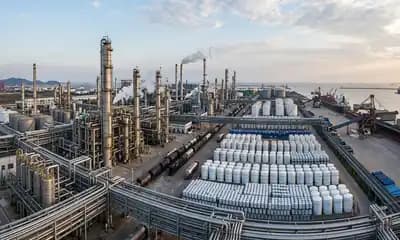
China Supply Discipline Keeps Barium Chloride Prices Supported Near $480 a Ton
- Barium chloride held near $420-483 per ton across recent quotes.
- Chinese environmental closures cut domestic output and lifted import reliance.
- First-quarter barite reached about $200 per ton in China on drilling demand.
- Firmer barite raw material costs limited downside for the finished salt.
- Tighter Chinese exports raise lead-time and landed-cost risk for importers.
Barium chloride held in a steady but firm range through late May 2026 as plant closures in China and the cost of barite raw material set a floor under prices. Recent quotes placed the inorganic salt near $420 to $483 per ton across markets, with Belgian material around $477 per ton and Thai supply near $420 per ton in recent assessments, while North American prices reached about $483 per ton late in 2025. The market has lacked sharp moves, but the underlying supply picture argues against any meaningful decline.
China dominates the global supply chain, with manufacturing clusters in Shandong, Jiangsu and Hunan provinces that sit close to barite ore and hydrochloric acid sources, giving local producers a cost advantage. That position has come under pressure from tighter environmental rules, which forced the closure of smaller plants and cut domestic output. The reduction has pushed some downstream sectors, including heat-resistant glass manufacturing, to lean more on imports, a shift that supports firmer pricing even as overall demand growth stays moderate.
Barite, the main raw material, added to the cost floor. First-quarter 2026 barite prices reached about $200 per ton in China, rising on improved industrial activity and stronger demand from oil and gas drilling operations. Elsewhere, barite ranged from about $163 per ton in the United States to $318 per ton in Japan and $374 per ton in Brazil. Since barium chloride producers depend on barite feed, any firming in that raw material works through to finished salt costs and limits how far prices can fall.
Request the Latest Barium Chloride Prices Data - Access Price Insights Now
For buyers in water treatment, specialty glass, pigments, and chemical processing, the combination of Chinese supply discipline and firmer barite costs points to stable to firm replacement costs through the year. The closure of smaller Chinese plants also raises the risk of tighter export availability, which matters for importers who have relied on Chinese tonnage to balance their needs. Reduced domestic production in China can quickly translate into longer lead times and higher landed costs for overseas buyers.
Procurement teams should monitor Chinese environmental enforcement and export flows, since further plant closures would tighten the market. Tracking barite prices and drilling activity gives an early read on raw material cost direction, while watching freight adds context for landed cost planning. Buyers exposed to a single Chinese source may want to qualify alternative suppliers to reduce dependence, given the regulatory pressure on domestic production. With raw material costs firm and supply discipline holding, barium chloride looks set to stay supported rather than soften through the rest of 2026.
Recent News & Articles
USDA Keeps Corn Use for Ethanol Flat as 2026-27 Demand Steadies
Barley Buyers Gain Planning Room as Forward Curves Stay Flat to Firmer
Benzene Feedstock Cost Threatens to Reverse Nitrobenzene Price Decline
Ethylene Cost Push Squeezes Polyethylene and PVC Converter Margins

USDA Lifts Corn Farm Price to $4.40 as Global Stocks Hit Decade Low
Tags
- Access independent price trends and market intelligence for thousands of raw materials.
- Request customised production cost and prefeasibility reports for specific plants or locations.
- Explore subscription dashboards for continuous tracking of prices, indices, and news.
- Commission bespoke research on categories, suppliers, or trade flows tailored to your brief.
Our Team will be happy to assist you
We are Just a Text away