Prakhar Panchbhaiya
Assistant Manager: Business Insights and Content
Supporting procurement teams with category intelligence, market research, price trends, supply-demand analysis, and strategic sourcing insights across key industries.

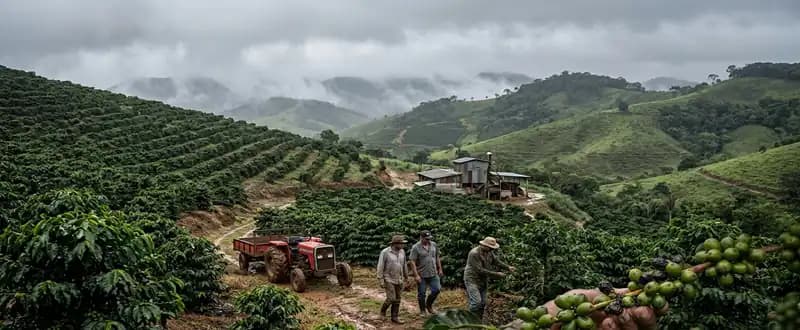
Coconut production in Palawan is receiving new planting support through a local partnership designed to expand the supply of quality seedlings for growers. The programme includes nursery establishment, seedling production and distribution to qualified farmers as part of a wider effort to rehabilitate coconut-growing areas and strengthen future farm productivity.
The initiative matters because coconut supply depends heavily on the productive life of existing trees. Ageing plantations can gradually lose yield, and replacing old palms requires long planning periods. Newly planted coconut trees take years to reach normal commercial production, meaning current nursery and planting programmes influence raw-material supply much later in the purchasing cycle.
For companies sourcing coconut, coconut oil, copra or downstream ingredients, replanting programmes are a long-term supply indicator rather than an immediate increase in availability. Procurement teams should distinguish between seedlings distributed today and mature production that can eventually enter commercial processing.
Request the Latest Coconut Prices Data - Access Price Insights Now
Seedling quality is also important. Successful industry rehabilitation depends on planting materials surviving field conditions and developing into productive trees. Nursery management, suitable varieties, farmer training and maintenance after planting can affect whether a distribution programme translates into higher future output.
Processors may benefit from tracking planting programmes in the regions where their suppliers operate. Information on farm rehabilitation can help identify areas with stronger future production potential and regions where ageing tree populations may continue to constrain supply.
The programme can also support closer coordination between farmers and processing companies. Buyers seeking dependable long-term supply can work through cooperatives, aggregators or approved local suppliers to understand planting progress and future crop potential.
Farm economics remain important. Growers need income during the period before replacement trees reach commercial production. Intercropping and other farm activities can provide additional revenue and reduce pressure on farmers to abandon coconut cultivation during the transition.
Procurement teams should also monitor weather, pest conditions and survival rates rather than relying only on seedling-distribution totals. The number of trees that establish successfully is more relevant to future coconut output than the number initially distributed.
The Palawan initiative provides another step towards renewing coconut production capacity. Its commercial effect will take time, but sustained planting programmes can help reduce the supply risk created by ageing trees and weak farm renewal.
Assistant Manager: Business Insights and Content
Supporting procurement teams with category intelligence, market research, price trends, supply-demand analysis, and strategic sourcing insights across key industries.


We are Just a Text away