- Copper fell 0.5 per cent to USD 13,275 a ton on the LME as Middle East risks unsettled metals markets
- Uncertainty over US-Iran talks and the ceasefire deadline raised concern about disruption in the Strait of Hormuz
- Falling Chinese copper inventories offered price support amid strong seasonal demand
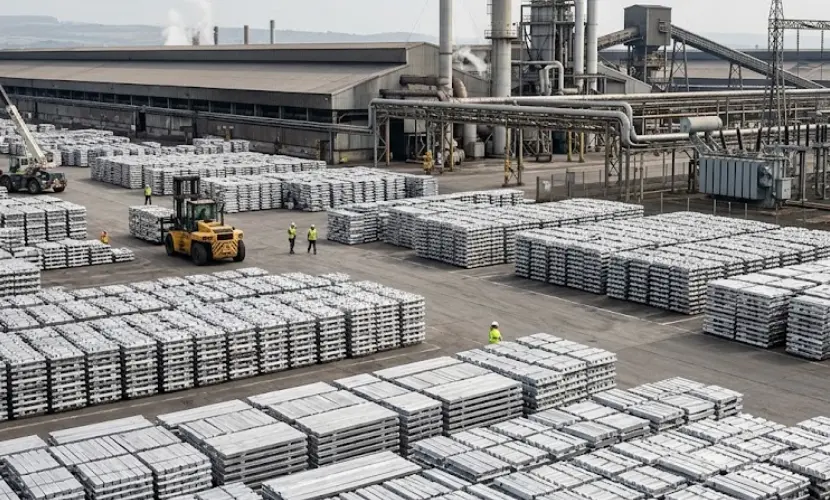
- Aluminium stayed under supply pressure as Gulf smelter shutdowns and cuts tightened regional availability
- Gulf aluminium production fell 6 per cent in March while the US Midwest premium hit a record USD 1.14 a pound
Copper prices slipped on the London Metal Exchange as rising tension around US-Iran talks unsettled commodity markets and renewed concern over trade flows through the Strait of Hormuz. The metal, which had gained for four straight weeks, fell 0.5 per cent to settle at USD 13,275 a metric ton, while most other industrial metals also moved lower.
The decline followed a volatile weekend in the Middle East that cast doubt over whether Washington and Tehran can reach an agreement before a ceasefire deadline expires. US President Donald Trump said he was unlikely to extend the two-week truce with Iran if no deal is reached, raising pressure on negotiators as the deadline nears. Uncertainty also grew after Iran stopped short of confirming whether it would join further talks, despite Trump saying a delegation was heading to Pakistan.
The market is focused on the Strait of Hormuz, where vessel movements have slowed sharply as Iran tightened control in response to military strikes. A longer disruption through the waterway would deepen the energy shock already affecting the world economy, with traders watching for the effect on fuel costs, inflation and factory activity. That risk has weighed on sentiment for industrial commodities, including copper.
Oil prices rose on April 20, clawing back some of the heavy losses seen last week, and that added to the shift in mood across raw materials. Higher energy costs can feed into production expenses and weaken demand if central banks respond with tighter monetary policy.
Copper, however, found some support from China, where consumption remains firm and inventories have been falling. Stocks tracked by the Shanghai Futures Exchange have dropped by nearly 200,000 tons since reaching their peak for the year on March 13. Market participants said seasonal demand in China has stayed strong, helping local prices become less tied to events in the Middle East.
Request the Latest Copper Price Data - Get Your Free Sample Report
Aluminium also weakened on Monday, though its market has reacted differently from copper and other base metals. Supply concerns have kept aluminium better supported because the conflict has led to production cuts and smelter shutdowns across the Gulf region. The US Midwest premium, which reflects the added cost of delivering aluminium into that market, climbed to a record USD 1.14 a pound, according to sources.
Industry officials said restoring normal passage through the Strait of Hormuz is critical for aluminium producers that need to bring in raw materials and move finished metal out of the region. Disruptions are already affecting supply chains beyond the Gulf, including alumina shipments from Australia to regional smelters.
The International Aluminium Institute said aluminium output in Gulf countries fell 6 per cent in March to 15,963 tons a day, based on available member data. Aluminium settled down 0.2 per cent at USD 3,557.50 a ton on the LME, though it remains 13 per cent above levels seen before the conflict began in late February.





.webp&w=1080&q=75)
.webp&w=1080&q=75)