- Cotton prices moved from about 65 cents to above 80 cents.
- Fund buying accelerated the recent price increase.
- Texas growing conditions remain uneven between production areas.
- Heat and patchy rain threaten dryland acreage.
- Textile mills can divide purchases across several pricing dates.
Cotton buyers are facing higher raw-material costs after prices broke out of a two-year period of weak trading. Prices moved from about 65 cents per pound to above 80 cents, briefly reaching 88 cents before settling in the upper-70-cent to lower-80-cent range. Investment funds closing bearish positions helped accelerate the increase, with dry weather adding concern about future supply.
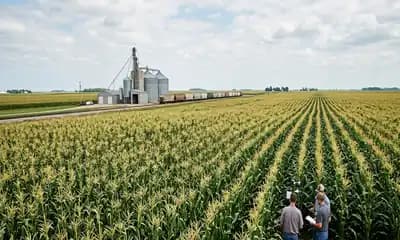
Texas crop conditions remain sharply divided by production area. Rain supported crops in the Rolling Plains, West Central Texas, the Gulf Coast and areas along the Interstate 35 corridor. Cotton in South Texas was approaching harvest and needed dry weather to protect fieldwork and crop quality. The upper Panhandle remained hot and dry, and producers were expected to lose part of their dryland acreage.
The South Plains, where much of the state’s cotton is grown, received uneven rainfall. Some fields benefited from isolated storms, but others continued to face heat and declining soil moisture. Several thousand acres were reported lost to hail and poor germination. Texas cotton planting for 2026 was projected at 5.4 million acres, slightly above the previous year.
Request the Latest Cotton Prices Data - Access Price Insights Now
Textile mills should avoid treating planted acreage as the same as harvested supply. Abandonment, boll development, storm damage and harvest weather will determine how much usable fibre reaches gins. Quality can also vary when heat and moisture conditions differ between regions.
The price rally carries another risk. Part of the increase came from financial trading rather than a confirmed shortage of physical cotton. Prices could soften as harvesting advances and crop estimates become more certain. Buyers that secure all requirements after a sharp rally could lock in an elevated cost. Buyers that delay all coverage remain exposed to further weather losses.
A staged purchasing plan can spread this timing risk. Mills can fix part of their expected demand and retain open volume for later crop updates. Contracts should state fibre length, strength, colour, contamination limits and approved origins so lower-quality replacement cotton is not delivered against a higher-quality requirement.
Buyers should also review yarn contracts that use cotton benchmarks with a pricing delay. A quick rise in fibre prices can squeeze spinning margins before finished-yarn prices are adjusted. More frequent price reviews can prevent an extended gap between raw-material costs and customer selling prices.